
Day of the Dead
A vibrant remembrance of loved ones through altars, flowers, and shared stories.
The Day of the Dead is a cultural holiday celebrated mainly in Mexico on November 1 and 2. Families gather to honor and remember deceased loved ones with altars, marigolds, food, and visits to graves, blending humor and affection in their commemorations.
- Altars (ofrendas) are decorated with marigolds and favorite foods of the deceased.
- Families visit graves with gifts and share meals at cemeteries.
- Sugar skulls and pan de muerto are traditional treats.
- Celebrations often include playful poems called calaveras literarias.
- UNESCO recognized it as Intangible Cultural Heritage in 2008.
What it is
The Day of the Dead is a time when families and friends come together to honor and remember those who have passed away. Rather than a somber occasion, it is filled with warmth, laughter, and shared memories, as people recount stories and anecdotes about the departed. Central to the celebration are altars, or ofrendas, decorated with marigolds, candles, and the favorite foods and drinks of those being remembered. The festival is a vivid expression of love and respect, blending reflection with a sense of joy and community.
Where it comes from
The origins of the Day of the Dead are complex and debated. Some scholars trace its roots to Indigenous Mesoamerican rituals that honored the dead, later merging with Spanish Catholic traditions such as All Saints' Day and All Souls' Day. Others argue that many modern elements of the festival, including the use of skeleton imagery and certain foods, are more closely linked to European customs and were shaped in the 20th century as part of Mexican national identity. Regardless of its exact beginnings, the holiday is now a powerful symbol of Mexican culture and heritage.
How it is celebrated
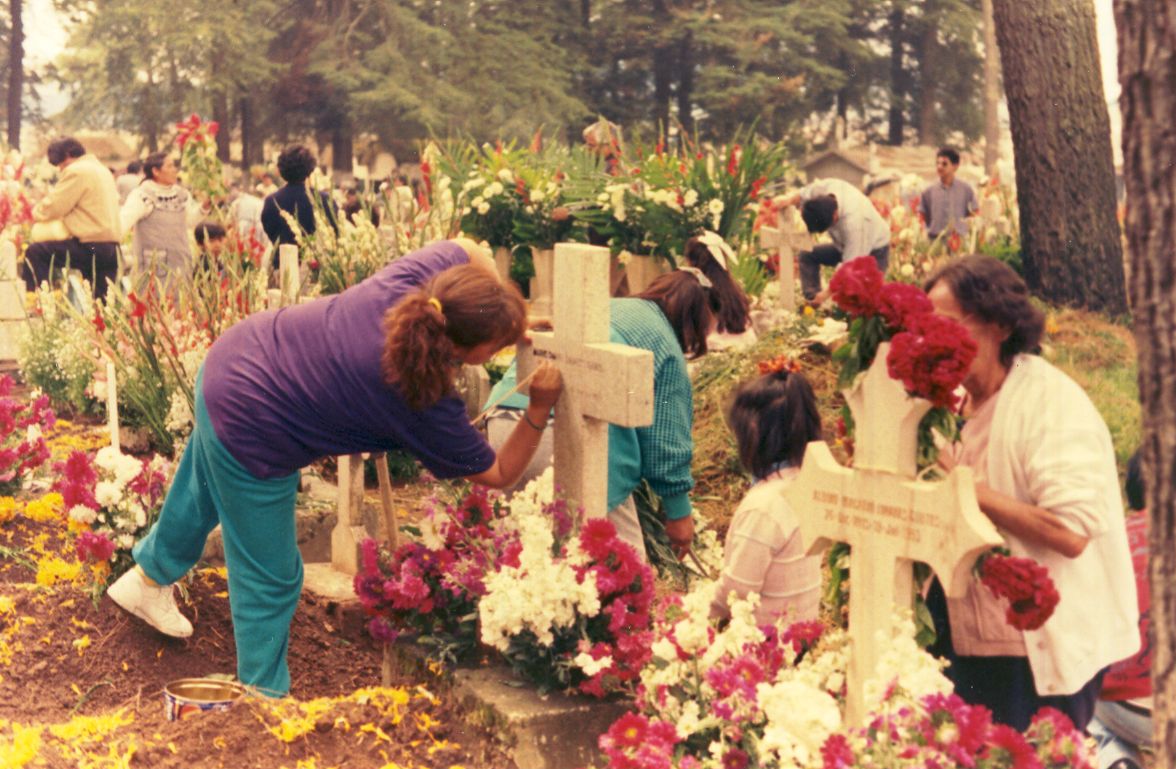
Celebrations center around creating ofrendas—home altars adorned with marigold flowers (cempasúchil), candles, photographs, and offerings of food and drink that the deceased enjoyed in life. Families visit cemeteries, bringing gifts and sharing meals at gravesides, often staying late into the night. Sugar skulls (calaveras), pan de muerto (a special sweet bread), and papel picado (colorful cut paper decorations) are common sights. The mood is often light-hearted, with people exchanging playful poems called calaveras literarias and giving candy skulls to friends. The festival is as much about celebrating life and community as it is about remembering the dead.



Joining in
Visitors can experience the Day of the Dead most vividly in Mexico, where towns and cities come alive with color and activity. Main celebrations take place on November 1 and 2, with public altars, markets selling festival foods, and processions. Expect to see families gathering in cemeteries, musicians playing, and streets decorated with marigolds and papel picado. While rooted in family traditions, the welcoming atmosphere allows newcomers to observe and respectfully participate, especially in public spaces and community events.
In the news
- Day of the Dead in Chicago: a celebration of (after) lifeChoose Chicago
- Day of the Dead celebration blooms at the New York Botanical GardenCBS News
- New York Botanical Garden Opens New Day Of The Dead Celebration This FallForbes
- The Day of the Dead at the Fort Wayne Museum of ArtVisit Fort Wayne
- How to Plan Ahead for Day of the Dead FestivitiesMexperience
- The best Day of the Dead celebrations to visit in the U.S.qz.com
Sources and attribution
This page is Mela's own summary, written in new words. Its facts are drawn from the Wikipedia article Day of the Dead, whose text is available under the CC BY-SA 4.0 licence, and from its Wikidata record (CC0). Each photo is credited to its author beside it, and news headlines link to their publishers. For the full account, read the originals below.
Read more
- Day of the Dead on WikipediaEncyclopedia
- Official websiteOfficial site
- UNESCO Intangible Cultural HeritageArticle
- Day of the Dead travel guide on WikivoyageTravel guide
- More photos on Wikimedia CommonsPhotos
- Wikidata recordOpen data
This page was written with AI assistance from the sources listed above, and checked automatically before publishing. Spotted a mistake? Tell us. Last refreshed 2026-10-02.
More cultural celebrations
See them all Cultural
26Nov
Thanksgiving🇨🇦 Canada and 3 more countriesIn 8 weeks
Cultural
26Nov
Thanksgiving🇨🇦 Canada and 3 more countriesIn 8 weeks
 Cultural
27Nov
Black Friday🇦🇱 Albania and 29 more countriesIn 8 weeks
Cultural
27Nov
Black Friday🇦🇱 Albania and 29 more countriesIn 8 weeks
 Cultural
Novvaries
Sinterklaas🇧🇪 Belgium and 5 more countries
Cultural
Novvaries
Sinterklaas🇧🇪 Belgium and 5 more countries
 Cultural
Novvaries
Christmas market🇦🇹 Austria and 10 more countries
Cultural
Novvaries
Christmas market🇦🇹 Austria and 10 more countries
 Cultural
Novvaries
Monkey Buffet Festival🇹🇭 Lopburi, Thailand
Cultural
Novvaries
Monkey Buffet Festival🇹🇭 Lopburi, Thailand
 Cultural
11Nov
Singles' Day🇨🇳 China and 6 more countriesIn 6 weeks
Cultural
11Nov
Singles' Day🇨🇳 China and 6 more countriesIn 6 weeks
 Cultural
27Nov
Buy Nothing Day🇨🇦 Canada and 8 more countriesIn 8 weeks
Cultural
27Nov
Buy Nothing Day🇨🇦 Canada and 8 more countriesIn 8 weeks
 Cultural
2Nov
Karatsu Kunchi🇯🇵 Karatsu, JapanIn 4 weeks
Cultural
2Nov
Karatsu Kunchi🇯🇵 Karatsu, JapanIn 4 weeks