Day of the Dead
A vibrant remembrance of loved ones with altars, flowers, and shared stories.
The Day of the Dead, or Día de (los) Muertos, is a multi-day holiday celebrated mainly in Mexico and by people of Mexican heritage. Held on November 1 and 2, families gather to honor and remember deceased loved ones with altars, offerings, and visits to graves, blending humor and reverence.
- Altars (ofrendas) decorated with marigolds and candles
- Sugar skulls and pan de muerto are traditional treats
- Families visit graves with offerings for the deceased
- Celebrated mainly in Mexico and by Mexican communities abroad
- Recognized by UNESCO as intangible cultural heritage
What it is
The Day of the Dead is a time when families and friends come together to honor and remember those who have passed away. Rather than mourning, the festival is marked by warmth, humor, and a sense of connection to ancestors. People create colorful home altars, or ofrendas, decorated with marigold flowers, candles, and the favorite foods and drinks of the departed. The festival is both a personal and communal event, reflecting a view of death as a natural part of life and an opportunity to celebrate the memories and stories of loved ones.
Where it comes from
The origins of the Day of the Dead are debated among scholars. Some trace its roots to Indigenous Mesoamerican rituals that honored the dead, later merging with Spanish Catholic traditions such as All Saints' Day and All Souls' Day. Others argue that many elements of the modern celebration, including skull-shaped sweets and bread, are more closely linked to European customs and were adapted in Mexico during the 20th century to foster a sense of national identity. Despite differing views, the festival is now a national symbol and recognized by UNESCO as part of Mexico's intangible cultural heritage.
How it is celebrated
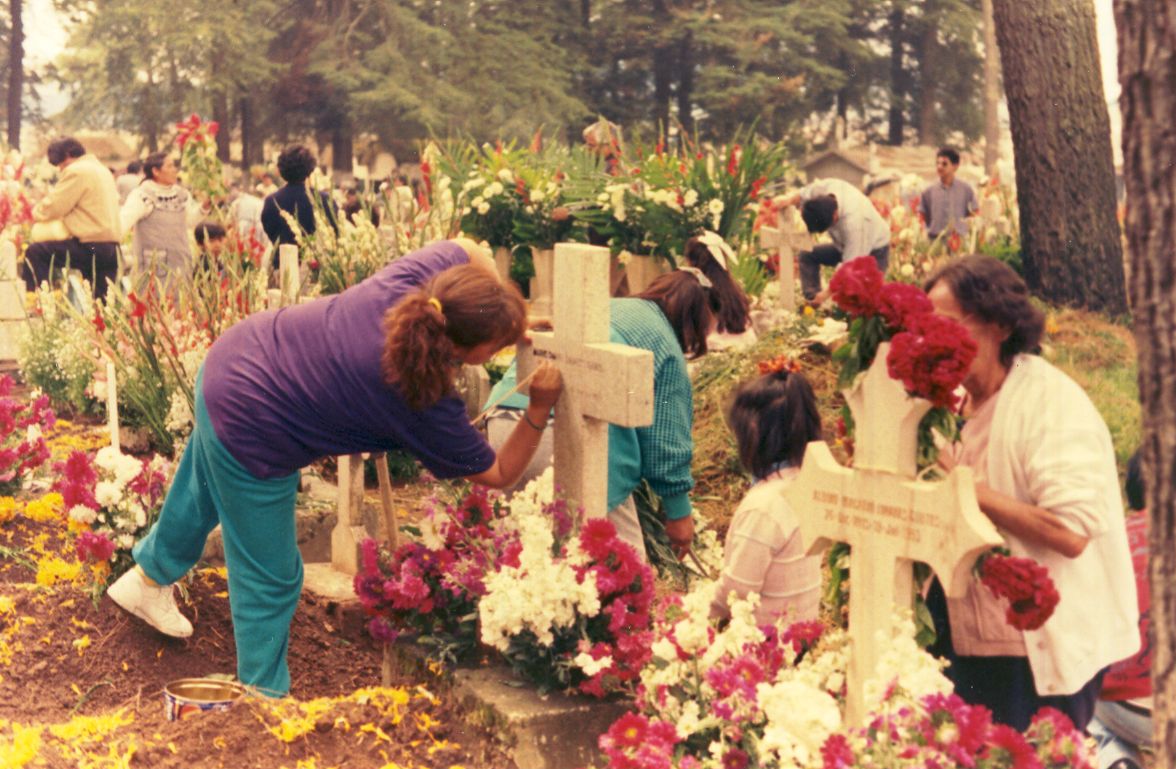
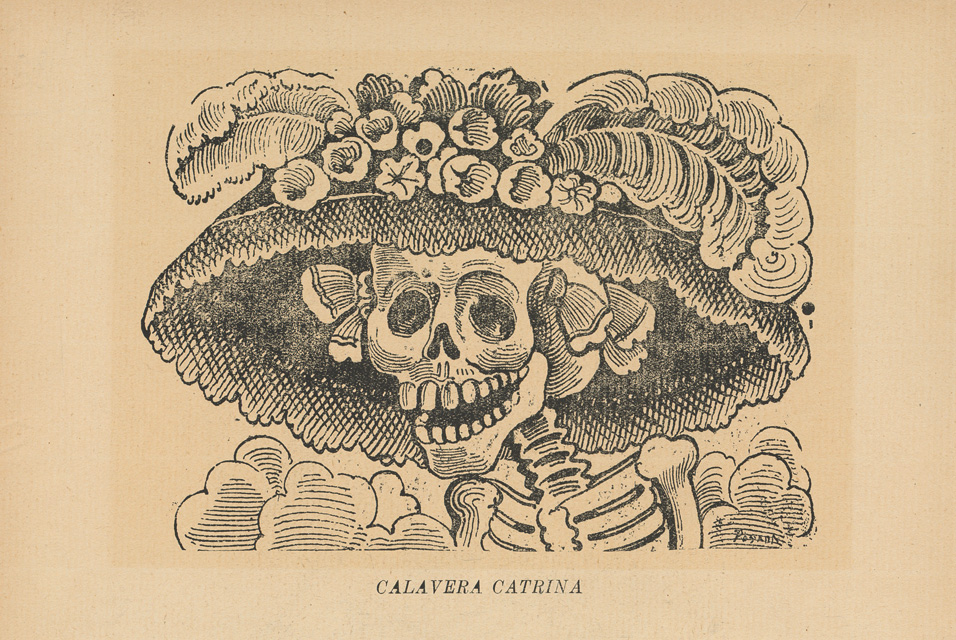
Celebrations center around building ofrendas in homes, adorned with marigolds (cempazúchitl), candles, photographs, and offerings of food and drink that the deceased enjoyed in life. Families visit cemeteries, bringing gifts for the dead and spending time at gravesites, often sharing stories and even humorous anecdotes about those who have passed. Traditional foods like pan de muerto (a sweet bread) and sugar skulls (calaveras) are prepared and shared among family and friends. People also exchange candy skulls as gifts and compose calaveras literarias—playful, satirical poems that mock death and poke fun at the living. The mood is festive, with music, bright decorations, and a sense of togetherness.


Joining in
If you visit during the Day of the Dead, expect to see vibrant altars in homes and public spaces, especially in Mexican cities and towns. Cemeteries become gathering places filled with flowers, candles, and families sharing food and memories. Visitors are welcome to observe respectfully and may be invited to join in the sharing of pan de muerto or to listen to stories. The atmosphere is welcoming, blending reverence with laughter, and offers a unique window into Mexican culture and its approach to life and death.
Sources and attribution
This page is Mela's own summary, written in new words. Its facts are drawn from the Wikipedia article Day of the Dead, whose text is available under the CC BY-SA 4.0 licence, and from its Wikidata record (CC0). Each photo is credited to its author beside it. For the full account, read the originals below.
Read more
This page was written with AI assistance from the sources listed above, and checked automatically before publishing. Spotted a mistake? Tell us. Last refreshed 2026-10-02.
 Cultural
 Cultural
 Spiritual
 Cultural
 Cultural
 Cultural
 Cultural
 Cultural