
Double Ninth Festival
A day of climbing, remembrance, and chrysanthemum traditions across East Asia
The Double Ninth Festival, also called Chung Yeung Festival, is marked on the ninth day of the ninth lunar month in the Chinese calendar. Celebrated in China, Hong Kong, Macau, Taiwan, Japan, and Korea, it features ancestral rites, mountain hikes, and chrysanthemum-themed foods and drinks. In Hong Kong and Macau, it is a public holiday.
- Marked by mountain climbing and outdoor gatherings
- Chrysanthemum wine and tea are traditional drinks
- Families honor ancestors with food and incense at graves
- In Taiwan, the day is dedicated to senior citizens
- Known as the Chrysanthemum Festival in Japan
What it is
The Double Ninth Festival is a time when families gather to honor ancestors, appreciate the beauty of chrysanthemums, and spend time outdoors. The date, chosen for its association with the number nine, is considered especially lucky in traditional Chinese beliefs due to its strong yang qualities. The festival is widely observed in various forms across East Asia, and is also known as the Double Yang Festival. For many, it's a day to reconnect with family, reflect on those who have passed, and enjoy the healthful properties of certain plants and flowers associated with the festival.
Where it comes from
The festival's roots reach back to at least the Warring States period, with legends and folklore helping to shape its traditions. One story tells of a teacher who advised his student to climb to higher ground with wine and food on this day, which saved his family from misfortune. Another tale links the customs of wearing dogwood and drinking chrysanthemum wine to palace life during the Han dynasty, before they spread to the wider population. Originally seen as a way to ward off evil or illness, the Double Ninth gradually evolved into a celebration of health, family, and longevity.
How it is celebrated
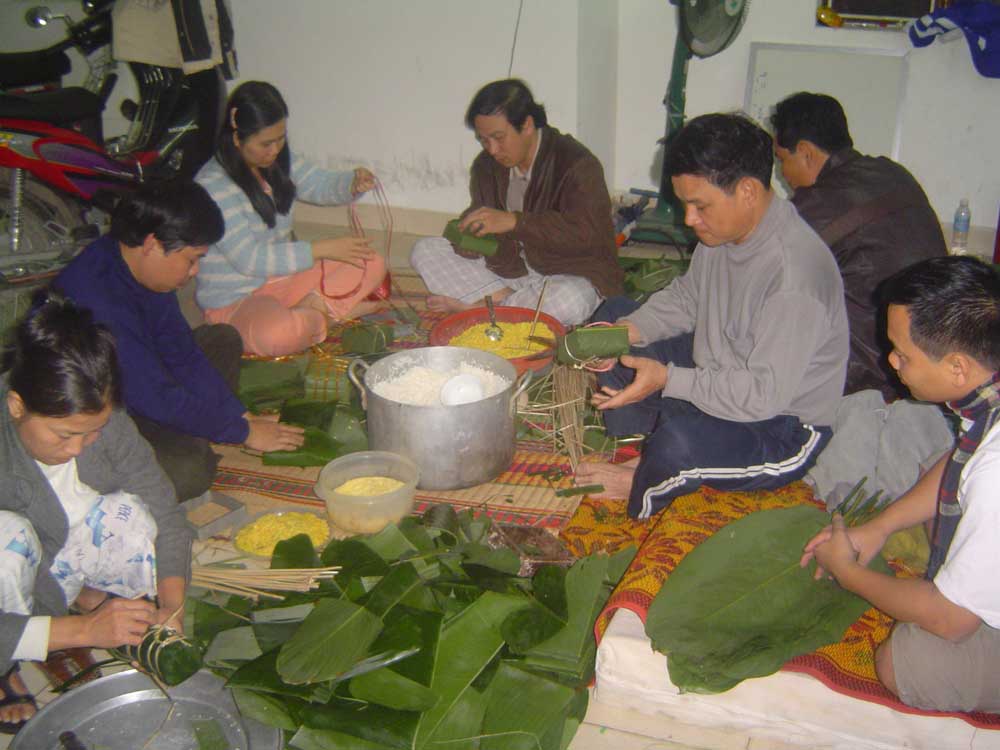
Key traditions include heading into the hills or mountains for walks or picnics, believed to bring good fortune and protect against danger. Chrysanthemum wine or tea is enjoyed, and the zhuyu plant is worn for its supposed healing properties. In Hong Kong and Macau, entire families visit ancestral graves to tidy the sites, repaint inscriptions, and place offerings such as meats and fruit, which are later shared as a meal. People also burn incense and enjoy special foods like Chongyang cake. In Japan, the festival is celebrated with chrysanthemum sake and dishes featuring chestnuts, while in Korea, pancakes made with chrysanthemum leaves are prepared and outdoor activities are common. In Taiwan, the day is dedicated to honoring the elderly, and local authorities may give small gifts to seniors.


Joining in
Visitors in Hong Kong and Macau can witness families gathering in cemeteries to pay respect to their ancestors, especially at places like Chai Wan Cemetery. The atmosphere is both lively and reflective, with food offerings, incense, and cleaning rituals. In mainland China, parks and nearby mountains are popular destinations for group hikes. If you travel to Japan or Korea at this time, look for chrysanthemum displays and traditional treats in temples and at seasonal festivals. While the customs may differ by location, travelers are often welcome to observe and sometimes join community events.
Sources and attribution
This page is Mela's own summary, written in new words. Its facts are drawn from the Wikipedia article Double Ninth Festival, whose text is available under the CC BY-SA 4.0 licence, and from its Wikidata record (CC0). Each photo is credited to its author beside it. For the full account, read the originals below.
Read more
- Double Ninth Festival on WikipediaEncyclopedia
- More photos on Wikimedia CommonsPhotos
- Wikidata recordOpen data
This page was written with AI assistance from the sources listed above, and checked automatically before publishing. Spotted a mistake? Tell us. Last refreshed 2026-10-03.
 Sports
 Spiritual
 Cultural
 Cultural
 Cultural
 Cultural
 Cultural
 Cultural