
Feast of the Immaculate Conception
A holy day honoring the sinless conception of the Virgin Mary
The Feast of the Immaculate Conception is a major Catholic celebration held on 8 December, honoring the belief that the Virgin Mary was conceived without original sin. Observed in many Catholic countries, it features Masses, processions, fireworks, and cultural festivities, and is a public holiday in places such as Italy, Spain, the Philippines, and much of Latin America.
- Held on 8 December in many Catholic countries
- The Pope visits Piazza di Spagna in Rome for prayers and flowers
- Public holiday in Italy, Spain, the Philippines, and more
- Features Masses, processions, fireworks, and communal meals
- Marks the start of the Christmas season in Italy
What it is
The Feast of the Immaculate Conception is one of the most significant Marian feasts in the Catholic calendar. It celebrates the doctrine that the Virgin Mary, mother of Jesus, was conceived free from original sin. For many Catholics, this day is a profound affirmation of Mary's unique role in salvation history and her purity from the very beginning of her life. The feast is marked by reverence and joy, bringing communities together in prayer, song, and celebration to honor Mary as a model of faith and grace.
Where it comes from
The origins of the feast trace back to the Eastern Church, where a similar celebration was observed as early as the 5th century in Syria, focusing on Saint Anne, Mary's mother. The Western Church adopted the feast in the 8th century, and its observance gradually spread across Europe. Over centuries, theological debates shaped its meaning, culminating in 1854 when Pope Pius IX formally defined the Immaculate Conception as Catholic dogma. The feast became a holy day of obligation in 1708 and has since been embraced in Catholic communities worldwide.
How it is celebrated
Celebrations of the Immaculate Conception vary by country but often include special Masses, processions, and public festivities. In Italy, the day marks the start of the Christmas season, and the Pope visits the Column of the Immaculate Conception in Rome to offer prayers and flowers. Many places hold parades, fireworks, and communal meals. In the Philippines, grand processions of Marian images fill the streets, while in Colombia and Monaco, food and family gatherings are central. The day is often a public holiday, allowing families and communities to come together in devotion and festivity, honoring Mary through prayer, music, and acts of charity.


Joining in
Visitors can join celebrations in cities like Rome, Manila, Madrid, and Santiago, where public processions and Masses are open to all. Expect large crowds, vibrant displays of faith, and a welcoming atmosphere. In Rome, witnessing the Pope's visit to Piazza di Spagna is a unique experience, while in the Philippines and Spain, local parades and feasts offer a lively glimpse into Marian devotion. Respectful attire and a spirit of reverence are appreciated when attending religious events.
Sources and attribution
This page is Mela's own summary, written in new words. Its facts are drawn from the Wikipedia article Feast of the Immaculate Conception, whose text is available under the CC BY-SA 4.0 licence, and from its Wikidata record (CC0). Each photo is credited to its author beside it. For the full account, read the originals below.
Read more
- Feast of the Immaculate Conception on WikipediaEncyclopedia
- More photos on Wikimedia CommonsPhotos
- Wikidata recordOpen data
This page was written with AI assistance from the sources listed above, and checked automatically before publishing. Spotted a mistake? Tell us. Last refreshed 2026-10-02.
More spiritual festivals
See them all Spiritual
25Dec
Christmas🇦🇩 Andorra and 42 more countries
Spiritual
25Dec
Christmas🇦🇩 Andorra and 42 more countries
 Spiritual
5Dec
Hanukkah🇪🇬 Egypt and 9 more countriesIn 9 weeks
Spiritual
5Dec
Hanukkah🇪🇬 Egypt and 9 more countriesIn 9 weeks
 Spiritual
24Dec
Christmas Eve🇦🇷 Argentina and 32 more countries
Spiritual
24Dec
Christmas Eve🇦🇷 Argentina and 32 more countries
 Spiritual
8Dec
Feast of the Immaculate Conception🇩🇲 Dominica and 9 more countriesIn 9 weeks
Spiritual
8Dec
Feast of the Immaculate Conception🇩🇲 Dominica and 9 more countriesIn 9 weeks
 Spiritual
13Dec
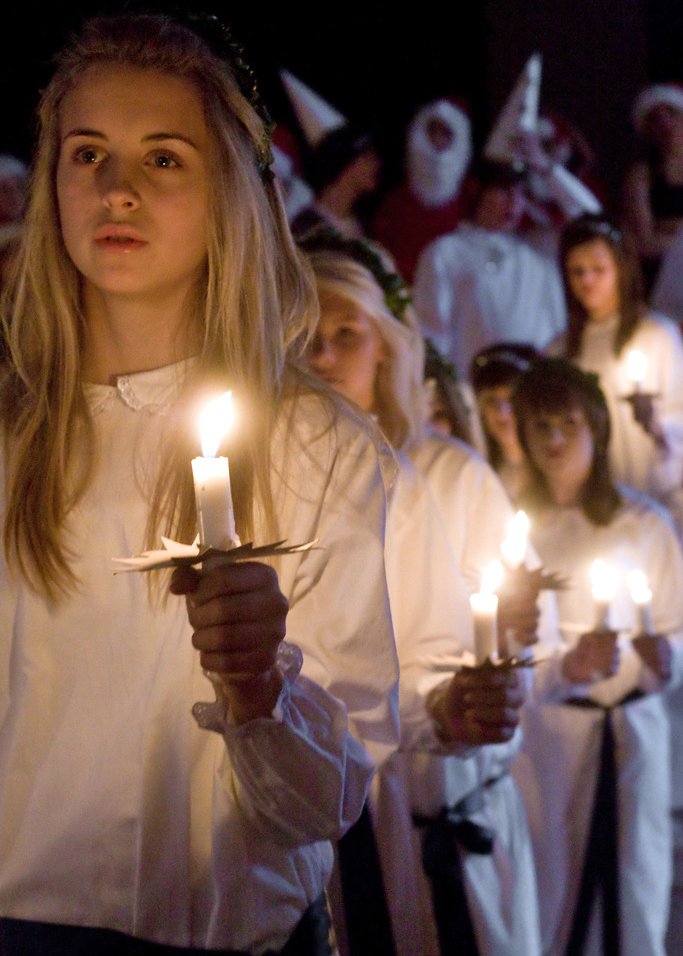
Saint Lucy's Day🇫🇮 Finland and 6 more countries
Spiritual
13Dec
Saint Lucy's Day🇫🇮 Finland and 6 more countries
 Spiritual
6Dec
Saint Nicholas Day🇦🇱 Albania and 27 more countriesIn 9 weeks
Spiritual
6Dec
Saint Nicholas Day🇦🇱 Albania and 27 more countriesIn 9 weeks
 Spiritual
26Dec
Saint Stephen's Day🇦🇺 Australia and 30 more countries
Spiritual
26Dec
Saint Stephen's Day🇦🇺 Australia and 30 more countries
 Spiritual
25Dec
Christmas in Ukraine🇺🇦 Ukraine
Spiritual
25Dec
Christmas in Ukraine🇺🇦 Ukraine