
Ganesh Chaturthi
Welcoming Ganesha: the festival of new beginnings and wisdom
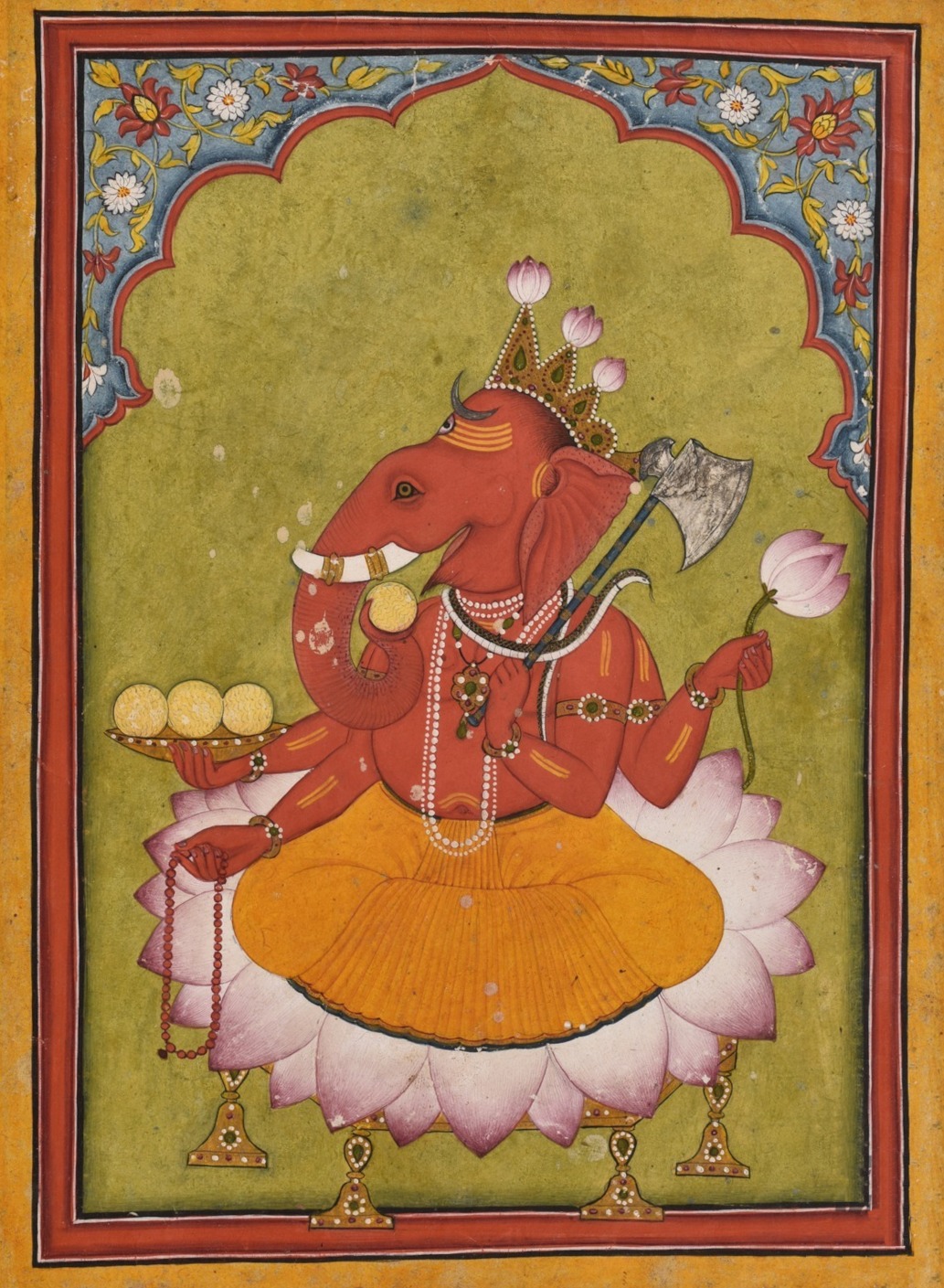
Ganesh Chaturthi is a major Hindu festival celebrating the birth of the elephant-headed deity Ganesha, observed across India and in Hindu communities worldwide. The festival, held in August or September, features the installation of Ganesha idols in homes and public spaces, culminating in vibrant processions and immersion ceremonies.
- Idols are immersed in water on the festival's last day
- Modak sweets are offered as Ganesha's favorite treat
- Public celebrations were revived in the 19th century
- Mumbai sees around 150,000 idols immersed annually
- Chanting of Vedic hymns and daily aarti are central rituals
What it is
Ganesh Chaturthi marks the arrival of Lord Ganesha, revered as the remover of obstacles and the god of wisdom, prosperity, and new beginnings. For ten days, devotees install clay idols of Ganesha in their homes and public pandals, offering prayers, hymns, and sweets. The festival is both a deeply personal and a communal event, bringing families and neighborhoods together in devotion and celebration. It is especially significant in Maharashtra, but is observed with enthusiasm throughout India and in Hindu communities around the world.
Where it comes from
The origins of Ganesh Chaturthi are not precisely known, but it has been celebrated publicly in Pune since the time of King Shivaji in the 17th century. The festival gained renewed prominence in the late 19th century when Bal Gangadhar Tilak encouraged large public celebrations as a means to foster unity and circumvent British colonial restrictions on public gatherings. In Goa, unique forms of worship developed under Portuguese rule, with families adapting their rituals to survive religious bans. Over time, Ganesh Chaturthi evolved into a symbol of community, resilience, and cultural identity.
How it is celebrated
Celebrations begin with the installation of Ganesha idols, ranging from small household figures to towering public statues. Priests perform rituals to invite Ganesha's presence, followed by offerings of coconut, jaggery, modak (a sweet believed to be Ganesha's favorite), durva grass, and red hibiscus flowers. Devotees chant Vedic hymns and perform aarti (rituals with lamps) daily. Public pandals host readings, feasts, and sometimes athletic or cultural competitions. On the final day, crowds gather for processions, carrying the idols to rivers or the sea for immersion (visarjan), accompanied by music, dancing, and communal singing, symbolizing Ganesha's return to his celestial abode.



Joining in
Visitors can experience Ganesh Chaturthi most vividly in cities like Mumbai, Pune, and Hyderabad, where public pandals and processions fill the streets. Expect lively crowds, devotional music, and elaborate decorations. Many neighborhoods welcome guests to join in prayers and festivities, and witnessing the immersion processions offers a unique glimpse into the collective spirit of the festival. Modest dress and respectful participation are appreciated, especially during rituals and aarti.
Sources and attribution
This page is Mela's own summary, written in new words. Its facts are drawn from the Wikipedia article Ganesh Chaturthi, whose text is available under the CC BY-SA 4.0 licence, and from its Wikidata record (CC0). Each photo is credited to its author beside it. For the full account, read the originals below.
Read more
- Ganesh Chaturthi on WikipediaEncyclopedia
- Encyclopaedia BritannicaArticle
- More photos on Wikimedia CommonsPhotos
- Wikidata recordOpen data
This page was written with AI assistance from the sources listed above, and checked automatically before publishing. Spotted a mistake? Tell us. Last refreshed 2026-10-02.
More spiritual festivals
See them all Spiritual
8Apr
Rosh Hashanah🇩🇪 Germany and 4 more countries
Spiritual
8Apr
Rosh Hashanah🇩🇪 Germany and 4 more countries
 Spiritual
16Oct
Sukkot🇮🇱 Jerusalem, Israel
Spiritual
16Oct
Sukkot🇮🇱 Jerusalem, Israel
 Spiritual
8Sep
Nativity of Mary🇦🇲 Armenia and 15 more countries
Spiritual
8Sep
Nativity of Mary🇦🇲 Armenia and 15 more countries
 Spiritual
27Sep
Meskel🇪🇷 Addis Ababa, Eritrea and 1 more country
Spiritual
27Sep
Meskel🇪🇷 Addis Ababa, Eritrea and 1 more country
 Spiritual
10Oct
Nine Emperor Gods Festival🇮🇩 Indonesia and 3 more countriesIn 7 days
Spiritual
10Oct
Nine Emperor Gods Festival🇮🇩 Indonesia and 3 more countriesIn 7 days
 Spiritual
Sepvaries
Krishna Janmashtami🇧🇩 Bangladesh and 9 more countries
Spiritual
Sepvaries
Krishna Janmashtami🇧🇩 Bangladesh and 9 more countries
 Spiritual
3Oct
Simchat Torah🇮🇱 Jerusalem, Israel and 2 more countriesOn now
Spiritual
3Oct
Simchat Torah🇮🇱 Jerusalem, Israel and 2 more countriesOn now
 Spiritual
29Sep
Michaelmas🇮🇪 Tramore, Ireland and 2 more countries
Spiritual
29Sep
Michaelmas🇮🇪 Tramore, Ireland and 2 more countries