
Simchat Torah
A joyful celebration marking the end and renewal of the Torah reading cycle
Simchat Torah is a Jewish festival that marks the completion of the annual Torah reading and the start of a new cycle. Celebrated in synagogues with dancing and singing, it takes place in Israel and Jewish communities worldwide, following Sukkot in September or October.
- Seven joyous circuits (hakafot) with Torah scrolls in the synagogue
- Completion and immediate restart of the Torah reading cycle
- Every congregant is called for an aliyah to the Torah
- Special aliyah and blessing for children under a tallit
- Festive singing and dancing often continue into the streets
What it is
Simchat Torah is a festival that brings Jewish communities together to celebrate the completion of the yearly cycle of reading the Torah, the central text of Judaism. On this day, the final portion of Deuteronomy is read, and immediately, the first verses of Genesis are begun, symbolizing the never-ending engagement with the Torah. The festival is filled with joy, song, and dance, as congregants express their happiness and gratitude for the Torah. It is a time when everyone, including children, is encouraged to participate, making it a lively and inclusive event.
Where it comes from
Simchat Torah developed as part of Shemini Atzeret, the 'Eighth Day of Assembly' that follows Sukkot. The name 'Simchat Torah' itself is relatively recent, as earlier Jewish texts refer to the day simply as Shemini Atzeret. Over time, communities began to focus on the completion and immediate renewal of the Torah reading cycle, and the festival's unique customs of dancing and celebration emerged in the medieval period. These traditions grew to emphasize the communal joy in the Torah and the importance of its continual study.
How it is celebrated
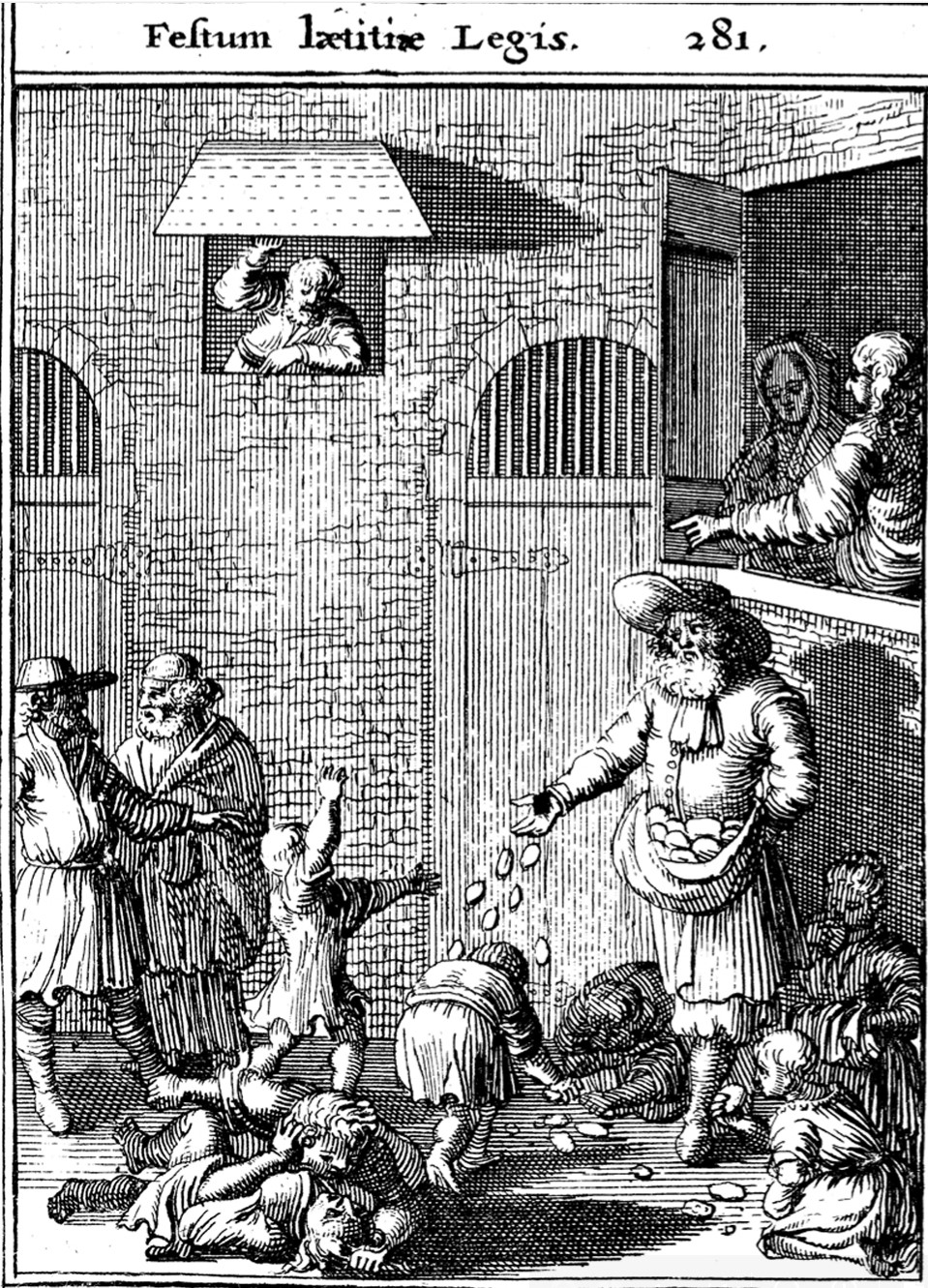
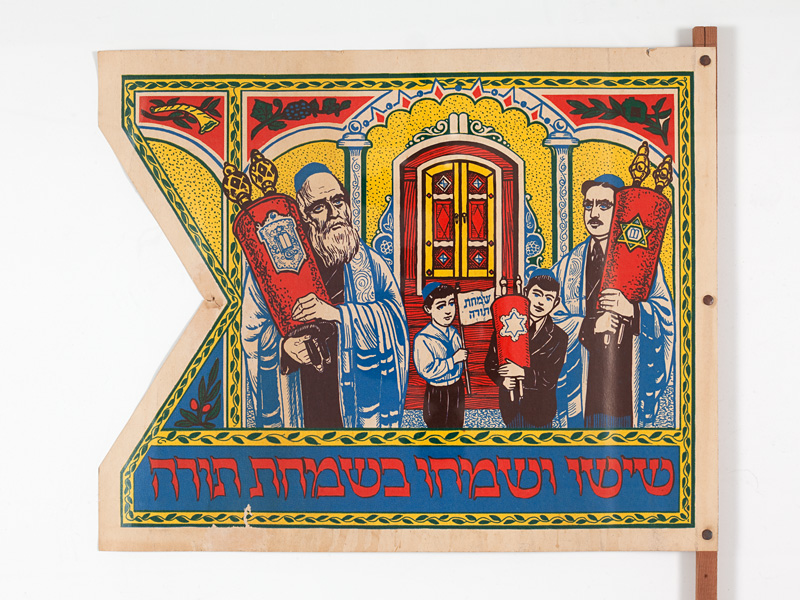
Celebrations begin in the evening, when all the Torah scrolls are taken from the ark and carried around the synagogue in seven circuits, known as hakafot. The congregation sings, dances, and sometimes the festivities spill out into the streets. Traditional songs and verses are chanted, and children are given flags and sweets. In the morning, the Torah reading is central: the last section of Deuteronomy is read, followed immediately by the start of Genesis. Every member of the congregation is called up for an aliyah, the honor of reciting a blessing over the Torah, and there is a special aliyah for children, often under a large tallit. Honorees known as Hatan Torah and Hatan Bereishit (or Kallat Torah and Kallat Bereishit) are recognized for completing and beginning the readings.


Joining in
If you visit a synagogue during Simchat Torah, expect a vibrant and welcoming atmosphere. The main celebrations take place in synagogues across Israel and Jewish communities worldwide, especially in cities like Jerusalem, Tel Aviv, and New York. Visitors will witness spirited dancing, singing, and the unique sight of Torah scrolls being paraded with joy. Participation is encouraged, and even newcomers are often invited to join the dancing or receive a blessing. Modest dress and respectful behavior are appreciated.
In the news
- How do we celebrate Sukkot and Simchat Torah after Oct. 7?The Jerusalem Post
- Simchat Torah: A road map for Jewish joyeJewishPhilanthropy
- The Blogs: Simchat Torah: Where there's change, I find hope | Shira Pasternak Be'eriThe Times of Israel
- Shemini Atzeret & Simchat Torah guide 2026: How and when to celebrateUnpacked
- Shemini Atzeret and Simchat Torah: Dancing with a broken heartThe Times of Israel
Sources and attribution
This page is Mela's own summary, written in new words. Its facts are drawn from the Wikipedia article Simchat Torah, whose text is available under the CC BY-SA 4.0 licence, and from its Wikidata record (CC0). Each photo is credited to its author beside it, and news headlines link to their publishers. For the full account, read the originals below.
Read more
- Simchat Torah on WikipediaEncyclopedia
- Encyclopaedia BritannicaArticle
- More photos on Wikimedia CommonsPhotos
- Wikidata recordOpen data
This page was written with AI assistance from the sources listed above, and checked automatically before publishing. Spotted a mistake? Tell us. Last refreshed 2026-10-03.
 Spiritual
 Spiritual
 Spiritual
 Spiritual
 Spiritual
 Spiritual
 Spiritual
 Spiritual