
The Nativity of Mary is a Christian feast marking the birth of Mary, mother of Jesus, celebrated on 8 September by most Western and Eastern churches, with other dates in some traditions. Communities in countries such as Malta, India, France, and the Philippines observe the day with prayers, processions, and local customs.
- Celebrated on 8 September by most Western and Eastern churches
- Malta marks the day as Victory Day with processions and fireworks
- Kerala Christians observe eight days of abstinence and prayers
- French winegrowers bless grapes in church on this day
- Goa and Mangalore link the feast with harvest celebrations
What it is
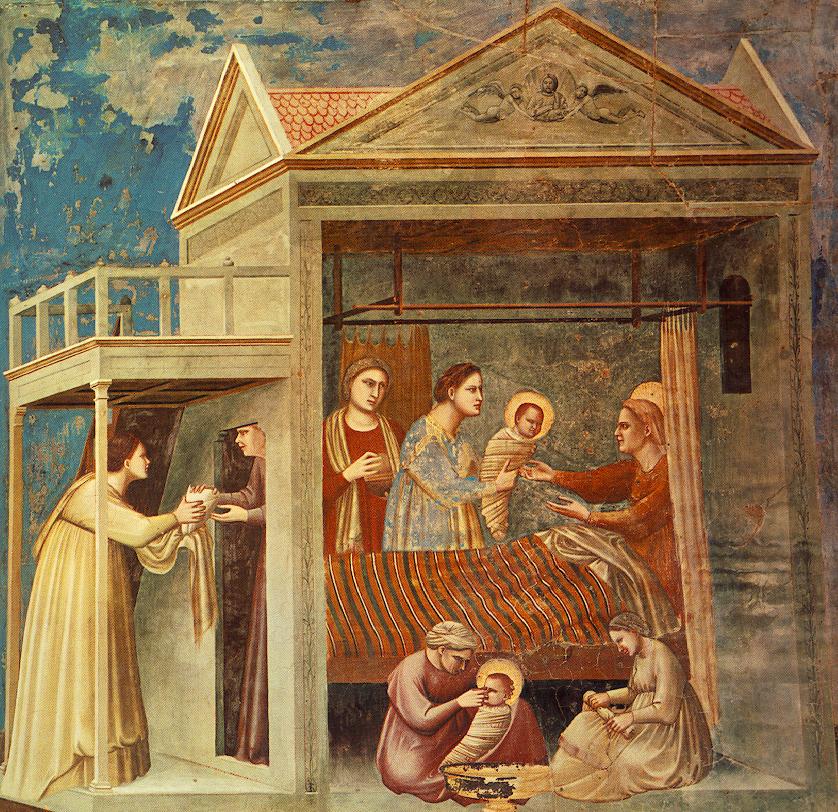
The Nativity of Mary is a feast day in the Christian calendar that celebrates the birth of Mary, revered as the mother of Jesus. Unlike most saints, whose lives are commemorated on their death days, Mary’s birth is honored for her unique role in Christian salvation history and her perceived holiness from birth. The festival is marked by prayers, hymns, and special devotions across many Christian traditions. For believers, it is a joyful occasion that highlights Mary's innocence and her significance as a model of faith and purity.
Where it comes from
The earliest written account of Mary’s birth appears in the Gospel of James, an apocryphal text from the late second century, which names her parents as Saint Anne and Saint Joachim. The first known liturgical celebration of her nativity dates back to the sixth century, likely originating in Syria or Palestine, where devotion to Mary intensified after the Council of Ephesus. The feast spread gradually to the Western church, with its first Roman observance recorded toward the end of the seventh century. Over time, local legends and traditions have enriched the festival’s meaning in different regions.
How it is celebrated
Celebrations of the Nativity of Mary vary widely. In Malta, the day is known as Victory Day and is intertwined with national history, marked by processions, band marches, fireworks, and church services, especially in towns like Senglea, Mellieħa, Naxxar, and Xagħra. In Kerala, India, Saint Thomas Christians observe eight days of abstinence, group prayers, and charitable acts, culminating in the sharing of a sweet rice pudding at church. In Goa and Mangalore, the festival coincides with the harvest, and families gather for festive meals featuring blessed new crops, with children showering flowers on statues of Mary. In France, winegrowers bring their best grapes to church for blessing, and the fruit is shared in a celebratory meal. Across all regions, the day is filled with music, special prayers, and a sense of communal joy.


Joining in
Visitors can experience the Nativity of Mary in places where the festival is especially vibrant, such as Malta’s towns of Senglea, Mellieħa, Naxxar, and Xagħra, or in Kerala and Goa in India. Expect lively processions, decorated churches, and local foods tied to the occasion. In France, look for grape blessings in wine regions, while in the Philippines and Mexico, you may see flower offerings and special Marian images. Attending a local church service or community meal is a welcoming way to join the celebration and witness the deep devotion surrounding Mary’s birth.
Sources and attribution
This page is Mela's own summary, written in new words. Its facts are drawn from the Wikipedia article Nativity of Mary, whose text is available under the CC BY-SA 4.0 licence, and from its Wikidata record (CC0). Each photo is credited to its author beside it. For the full account, read the originals below.
Read more
- Nativity of Mary on WikipediaEncyclopedia
- Encyclopaedia BritannicaArticle
- More photos on Wikimedia CommonsPhotos
- Wikidata recordOpen data
This page was written with AI assistance from the sources listed above, and checked automatically before publishing. Spotted a mistake? Tell us. Last refreshed 2026-10-03.
More spiritual festivals
See them all Spiritual
8Apr
Rosh Hashanah🇩🇪 Germany and 4 more countries
Spiritual
8Apr
Rosh Hashanah🇩🇪 Germany and 4 more countries
 Spiritual
16Oct
Sukkot🇮🇱 Jerusalem, Israel
Spiritual
16Oct
Sukkot🇮🇱 Jerusalem, Israel
 Spiritual
10Oct
Nine Emperor Gods Festival🇮🇩 Indonesia and 3 more countriesIn 7 days
Spiritual
10Oct
Nine Emperor Gods Festival🇮🇩 Indonesia and 3 more countriesIn 7 days
 Spiritual
27Sep
Meskel🇪🇷 Addis Ababa, Eritrea and 1 more country
Spiritual
27Sep
Meskel🇪🇷 Addis Ababa, Eritrea and 1 more country
 Spiritual
Sepvaries
Ganesh Chaturthi🇮🇳 India and 16 more countries
Spiritual
Sepvaries
Ganesh Chaturthi🇮🇳 India and 16 more countries
 Spiritual
Sepvaries
Krishna Janmashtami🇧🇩 Bangladesh and 9 more countries
Spiritual
Sepvaries
Krishna Janmashtami🇧🇩 Bangladesh and 9 more countries
 Spiritual
3Oct
Simchat Torah🇮🇱 Jerusalem, Israel and 2 more countriesOn now
Spiritual
3Oct
Simchat Torah🇮🇱 Jerusalem, Israel and 2 more countriesOn now
 Spiritual
29Sep
Michaelmas🇮🇪 Tramore, Ireland and 2 more countries
Spiritual
29Sep
Michaelmas🇮🇪 Tramore, Ireland and 2 more countries