
George Enescu Festival
Romania’s leading celebration of classical music and the legacy of George Enescu
The George Enescu Festival is Romania’s largest classical music festival and international competition, held mainly in Bucharest each September. Founded in 1958 to honor composer George Enescu, it draws world-renowned orchestras, soloists, and young talents from around the globe.
- Founded in 1958 to honor composer George Enescu
- Held mainly in Bucharest, with events in Iași and Sibiu
- Features both concerts and an international competition
- Daily open-air concerts in the Festival Piazza
- About 20 Enescu works performed each edition
What it is
The George Enescu Festival is a major international event dedicated to classical music, celebrating the life and works of the Romanian composer George Enescu. It brings together acclaimed orchestras, soloists, and conductors from around the world, alongside emerging talents who compete in piano, violin, and composition. The festival is both a tribute to Enescu’s enduring influence and a showcase for a broad repertoire, with a special focus on Romanian composers. For music lovers, it is a chance to experience performances by leading artists and discover new interpretations of classical masterpieces.
Where it comes from
The festival was first proposed by Andrei Tudor in 1955 and organized by George Georgescu, a close associate of Enescu, in 1958—just three years after Enescu’s death. The inaugural edition featured prominent musicians such as Yehudi Menuhin and David Oistrakh, and included the Romanian premiere of Enescu’s opera Œdipe. Initially held every three years, the festival was accompanied by an international competition, which was paused after the fifth edition and later revived in 1991. Over the decades, the festival has grown in scope and prestige, becoming a central event in Eastern Europe’s classical music calendar.
How it is celebrated
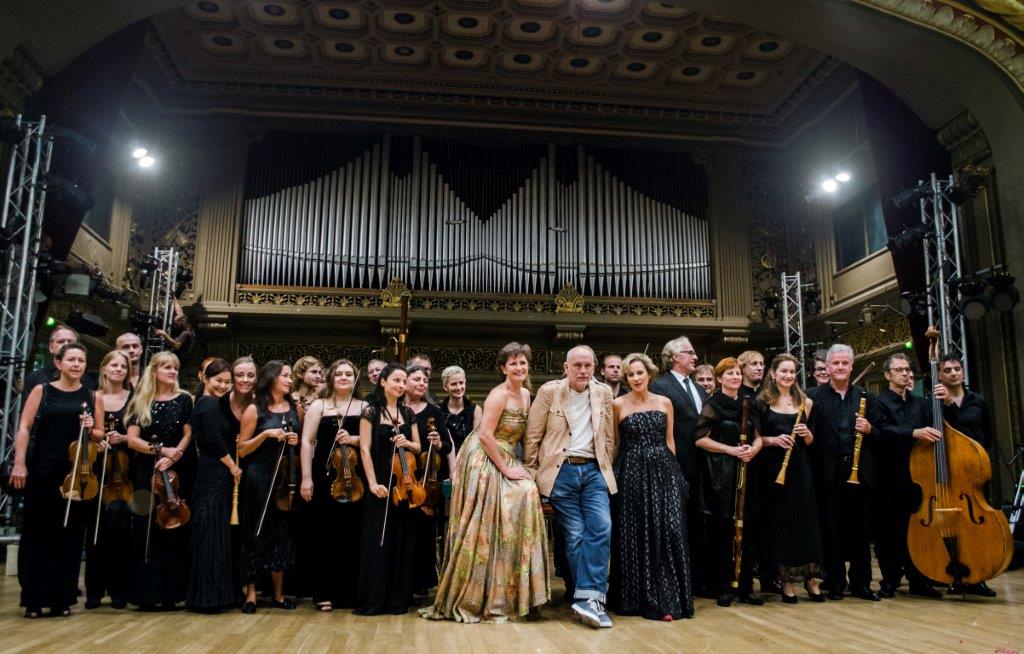
The festival spans several weeks each September, with concerts held in Bucharest, Iași, and Sibiu. Audiences can enjoy performances by top international orchestras, renowned soloists, and leading conductors, as well as daily open-air concerts in the Festival Piazza. The program features a mix of Enescu’s works—about 20 each edition—and a wide range of classical repertoire, including world premieres and contemporary Romanian compositions. The competition segment invites young musicians to compete in piano, violin, and composition, drawing participants from many countries. Special events, films about Enescu, and themed concerts add to the vibrant atmosphere, making the festival a highlight for classical music enthusiasts.



Joining in
Visitors can attend concerts at major venues in Bucharest, including the Grand Hall of the Palace and Sala Palatului, as well as in Iași and Sibiu. The Festival Piazza offers free open-air concerts, making the music accessible to all. Expect a cosmopolitan crowd, a packed schedule of performances, and the chance to hear both celebrated artists and rising stars. Tickets for headline events are in high demand, so planning ahead is recommended. Whether you are a seasoned concertgoer or new to classical music, the festival offers a welcoming and inspiring experience.
Sources and attribution
This page is Mela's own summary, written in new words. Its facts are drawn from the Wikipedia article George Enescu Festival, whose text is available under the CC BY-SA 4.0 licence, and from its Wikidata record (CC0). Each photo is credited to its author beside it. For the full account, read the originals below.
Read more
- George Enescu Festival on WikipediaEncyclopedia
- Official websiteOfficial site
- More photos on Wikimedia CommonsPhotos
- Wikidata recordOpen data
This page was written with AI assistance from the sources listed above, and checked automatically before publishing. Spotted a mistake? Tell us. Last refreshed 2026-10-02.
 Spiritual
 Cultural
 Seasonal
 Music
Music Music
Music Music
Music Music
Music Music
Music