
Kukeri is a traditional Bulgarian ritual where men dress in elaborate costumes and masks to chase away evil spirits and bring blessings for the coming year. The festivities take place in villages across Bulgaria, mainly around New Year and before Lent.
- Men wear animal masks and costumes decorated with bells
- Kukeri processions happen around New Year and before Lent
- Rituals are meant to drive away evil and bring good fortune
- Celebrations end with wild dancing in the village square
What it is
Kukeri is a vibrant Bulgarian tradition in which men don striking, animal-like costumes and masks, parading through villages to frighten away harmful spirits. The ritual is believed to secure health, happiness, and a fruitful harvest for the community. The Kukeri's appearance—covered head to toe in furs, bells, and vividly decorated masks—creates a powerful spectacle that blends performance, spirituality, and communal hope for the year ahead. The event is deeply rooted in local identity and brings villagers together in a shared act of protection and renewal.
Where it comes from
While 19th-century thinkers linked Kukeri to ancient Thracian cults and the god Dionysus, more recent research suggests the tradition is part of a broader Balkan mumming heritage that developed in the early modern era. Influences from Greek, Slavic, Albanian, and Turkish customs have shaped the rituals over time. The name 'Kukeri' itself has uncertain roots, with theories ranging from Proto-Slavic and Latin origins to references to pre-Slavic deities. Despite these varied theories, Kukeri remains a distinct and enduring part of Bulgarian folklore.
How it is celebrated
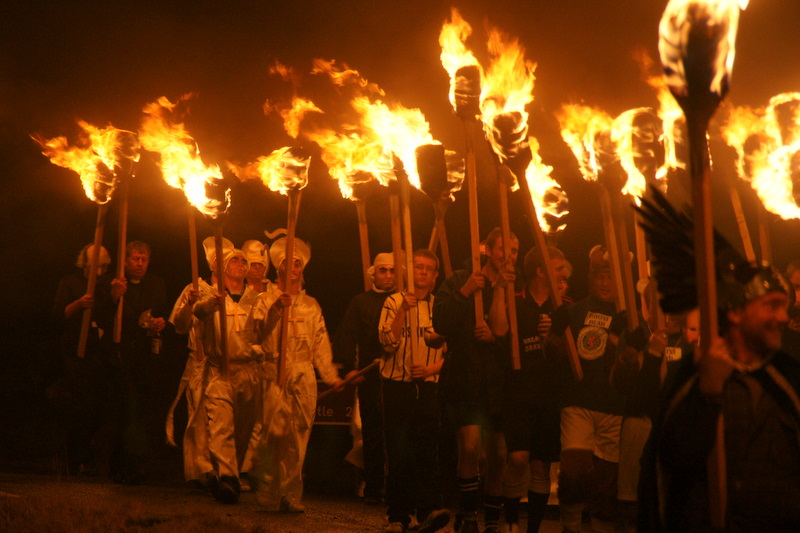
During Kukeri, groups of men dress in sheepskin or goatskin costumes, often with horned masks and large bells hanging from their belts. The Kukeri move through the village, visiting homes at night to avoid being seen by the sun, and perform dances and playful antics to frighten away evil. Their processions are noisy and lively, with the clanging of bells and wild movements drawing villagers out to watch. The festivities culminate in a gathering at the village square, where the Kukeri dance and entertain the crowd. In some regions, theatrical performances and symbolic acts—such as mock marriages and pantomimes of birth—are part of the ritual, all aimed at ensuring fertility and prosperity.


Joining in
Visitors to Bulgaria during the Kukeri season can witness these unique celebrations in many villages, especially in rural areas. The main events often take place in village squares, where locals and guests gather to watch the costumed dancers. Expect a lively, communal atmosphere filled with music, laughter, and the impressive sight of the Kukeri in full regalia. While participation is usually reserved for local men, outsiders are welcome to observe, photograph, and enjoy the festivities as part of the crowd.
Sources and attribution
This page is Mela's own summary, written in new words. Its facts are drawn from the Wikipedia article Kukeri, whose text is available under the CC BY-SA 4.0 licence, and from its Wikidata record (CC0). Each photo is credited to its author beside it. For the full account, read the originals below.
Read more
This page was written with AI assistance from the sources listed above, and checked automatically before publishing. Spotted a mistake? Tell us. Last refreshed 2026-10-03.
 Seasonal
 Spiritual
 Spiritual
 Seasonal
 Cultural
 Cultural
 Cultural
 Cultural