
Chinese New Year
The Spring Festival welcomes the new year with family, colour and tradition.
Chinese New Year, or Spring Festival, is the most significant holiday in Chinese culture, marking the start of the new year on the traditional lunisolar calendar. Celebrated from New Year's Eve to the Lantern Festival, it is observed across China and in Chinese communities worldwide, usually between late January and mid-February.
- Celebrated from New Year's Eve to the Lantern Festival (15 days)
- Red decorations and lanterns symbolize good fortune
- Family reunion dinner is central to the festival
- Lion and dragon dances are performed in public celebrations
- Children receive red envelopes with money for luck
What it is
Chinese New Year, known as the Spring Festival, is a time when families gather to welcome the new year and the arrival of spring. It is deeply rooted in Chinese culture and is observed not only in China but also by Chinese communities around the world. The festival is a blend of ancient customs, family reunions, and hopes for good fortune, happiness, and longevity. Houses are cleaned to sweep away bad luck, and red decorations fill homes and streets, symbolizing prosperity and warding off evil spirits. The festival is a vibrant expression of renewal and togetherness.
Where it comes from
The origins of Chinese New Year trace back to ancient harvest celebrations and rituals to honor ancestors and deities. Early records from the Western Zhou period describe autumn gatherings, while later texts from the Han dynasty mention ancestor worship and toasting for health and longevity at the start of the year. Over centuries, customs evolved to include house cleaning, all-night revelry on New Year's Eve, and the use of firecrackers to scare away evil spirits, inspired by the legend of the Nian beast. These traditions have been passed down and adapted, forming the basis of the modern festival.
How it is celebrated
Celebrations begin with a thorough cleaning of the home to sweep away ill fortune and welcome good luck. Families gather for a reunion dinner on New Year's Eve, often the most important meal of the year. Homes and streets are decorated with red paper-cuts, lanterns, and couplets bearing wishes for happiness and prosperity. Firecrackers and fireworks are set off to ward off evil spirits, a custom rooted in ancient legend. Children receive red envelopes filled with money, symbolizing luck and blessings. Lion and dragon dances, visits to friends and relatives, and festive public events fill the days, culminating in the Lantern Festival on the fifteenth day.


Joining in
Visitors can experience Chinese New Year in cities with large Chinese communities, such as Beijing, Shanghai, Hong Kong, Singapore, and Chinatowns worldwide. Expect lively parades, lion and dragon dances, and streets adorned with red lanterns. Many shops and restaurants may close for family celebrations, but public festivities are open to all. As a guest, it is customary to greet others with wishes for prosperity and happiness, and to enjoy the festive atmosphere, music, and traditional foods that mark this special time.
Sources and attribution
This page is Mela's own summary, written in new words. Its facts are drawn from the Wikipedia article Chinese New Year, whose text is available under the CC BY-SA 4.0 licence, and from its Wikidata record (CC0). Each photo is credited to its author beside it. For the full account, read the originals below.
Read more
- Chinese New Year on WikipediaEncyclopedia
- Encyclopaedia BritannicaArticle
- UNESCO Intangible Cultural HeritageArticle
- Lunar New Year travel guide on WikivoyageTravel guide
- More photos on Wikimedia CommonsPhotos
- Wikidata recordOpen data
This page was written with AI assistance from the sources listed above, and checked automatically before publishing. Spotted a mistake? Tell us. Last refreshed 2026-10-02.
More cultural celebrations
See them all Cultural
Janvaries
Kukeri🇧🇬 Bulgaria and 5 more countries
Cultural
Janvaries
Kukeri🇧🇬 Bulgaria and 5 more countries
 Cultural
25Jan
Burns supper🇬🇧 United Kingdom and 1 more country
Cultural
25Jan
Burns supper🇬🇧 United Kingdom and 1 more country
 Cultural
Janvaries
Chingay Parade🇮🇩 Singapore, Indonesia and 2 more countries
Cultural
Janvaries
Chingay Parade🇮🇩 Singapore, Indonesia and 2 more countries
 Cultural
25Jan
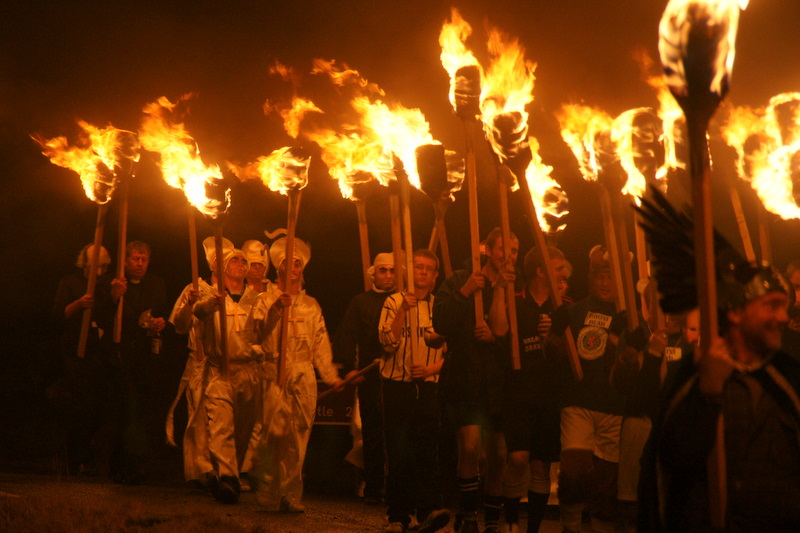
Up Helly Aa🇬🇧 Lerwick, United Kingdom
Cultural
25Jan
Up Helly Aa🇬🇧 Lerwick, United Kingdom
 Cultural
15Jan
Wikipedia Day🇦🇺 San Francisco, Australia and 2 more countries
Cultural
15Jan
Wikipedia Day🇦🇺 San Francisco, Australia and 2 more countries
 Cultural
11Jan
Coming of Age Day🇯🇵 Tokyo, Japan
Cultural
11Jan
Coming of Age Day🇯🇵 Tokyo, Japan
 Cultural
2Jan
Blacks and Whites' Carnival🇨🇴 Colombia and 3 more countries
Cultural
2Jan
Blacks and Whites' Carnival🇨🇴 Colombia and 3 more countries
 Cultural
14Jan
Maghi🇮🇳 Muktsar, India
Cultural
14Jan
Maghi🇮🇳 Muktsar, India