
Gjirokastër National Folklore Festival
Albania’s grand gathering of folk music, dance, and traditional dress
The Gjirokastër National Folklore Festival is Albania’s most significant cultural event, held every five years at Gjirokastër Castle in southern Albania. It brings together performers of traditional music, dance, and dress from Albania, its diaspora, and Albanian communities across the Balkans and Southern Italy.
- Held every five years at Gjirokastër Castle
- Features music, dance, and costumes from Albania and the diaspora
- First held in 1968
- Includes groups from Albanian communities in the Balkans and Southern Italy
- Regarded as the most important event in Albanian culture
What it is
The Gjirokastër National Folklore Festival is a vibrant celebration of Albanian heritage, uniting communities from Albania and beyond. Every five years, the historic Gjirokastër Castle becomes a stage for traditional music, dance, and costumes, reflecting the diversity and richness of Albanian folklore. The festival is seen as the pinnacle of Albanian cultural life, offering a rare chance to witness centuries-old songs and dances performed by both local and diaspora groups. For many, it is a heartfelt affirmation of identity and a joyful reunion of tradition.
Where it comes from
The festival traces its roots to the National Festival of Song, Music and Dance first held in Tirana in 1949. The inaugural Gjirokastër festival took place in October 1968, marking the birthday of Enver Hoxha, the city’s most famous native and then leader of Albania. Since then, it has been held every five years, with a brief move to Berat in 1995 before returning to Gjirokastër. Over the decades, it has grown to include performers from Albanian communities throughout the Balkans and Southern Italy, becoming a symbol of unity and cultural pride.
How it is celebrated
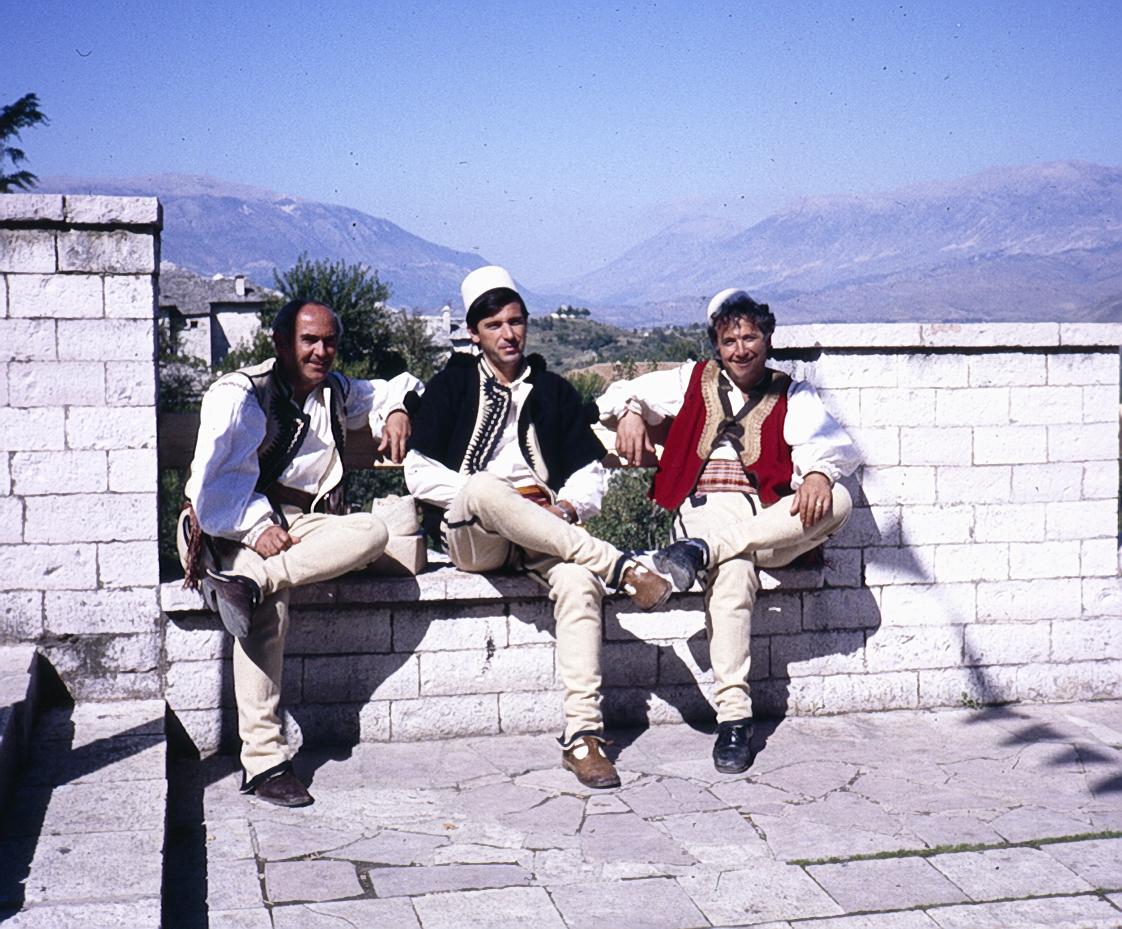
During the festival, Gjirokastër Castle is filled with the sounds of polyphonic singing, the rhythms of folk dances, and the bright colors of traditional Albanian costumes. Groups from across Albania and the wider Albanian-speaking world perform regional songs and dances, each telling stories of their homeland. The program features competitions for best group and individual performances, with past winners celebrated for their artistry. Visitors can expect to see intricate embroidery, hear ancient melodies, and experience the warmth of Albanian hospitality. The festival is a living showcase of customs passed down through generations, with each performance a tribute to the enduring spirit of Albanian culture.

Joining in
To experience the festival, visitors should travel to Gjirokastër when the event is held—usually every five years, most recently in summer. The main celebrations take place within the castle, where audiences gather to watch performances on open-air stages. Expect lively crowds, a festive atmosphere, and opportunities to meet performers and locals. While the schedule is packed with music and dance, the city itself offers a welcoming backdrop, with its cobbled streets and Ottoman-era architecture adding to the sense of occasion.
Sources and attribution
This page is Mela's own summary, written in new words. Its facts are drawn from the Wikipedia article Gjirokastër National Folk Festival, whose text is available under the CC BY-SA 4.0 licence, and from its Wikidata record (CC0). Each photo is credited to its author beside it. For the full account, read the originals below.
Read more
- Gjirokastër National Folk Festival on WikipediaEncyclopedia
- More photos on Wikimedia CommonsPhotos
- Wikidata recordOpen data
This page was written with AI assistance from the sources listed above, and checked automatically before publishing. Spotted a mistake? Tell us. Last refreshed 2026-10-02.
 Cultural
 Seasonal
 Seasonal
 Music
Music Cultural
 Cultural
 Cultural
 Cultural