
Haitian Carnival
A vibrant pre-Lenten celebration of music, dance, and Haitian spirit
Haitian Carnival, known locally as Kanaval, is a lively multi-week celebration held across Haiti, culminating on Mardi Gras. The largest festivities take place in Port-au-Prince, with parades, music, and street parties marking the days before Lent each year.
- The main carnival ends on Mardi Gras in Port-au-Prince
- Music styles include konpa, mizik rasin, and rap kreyòl
- Floats with sound systems parade through city streets
- Satirical plays and costumes are central to celebrations
- Food stands serve barbecued treats and rum
What it is
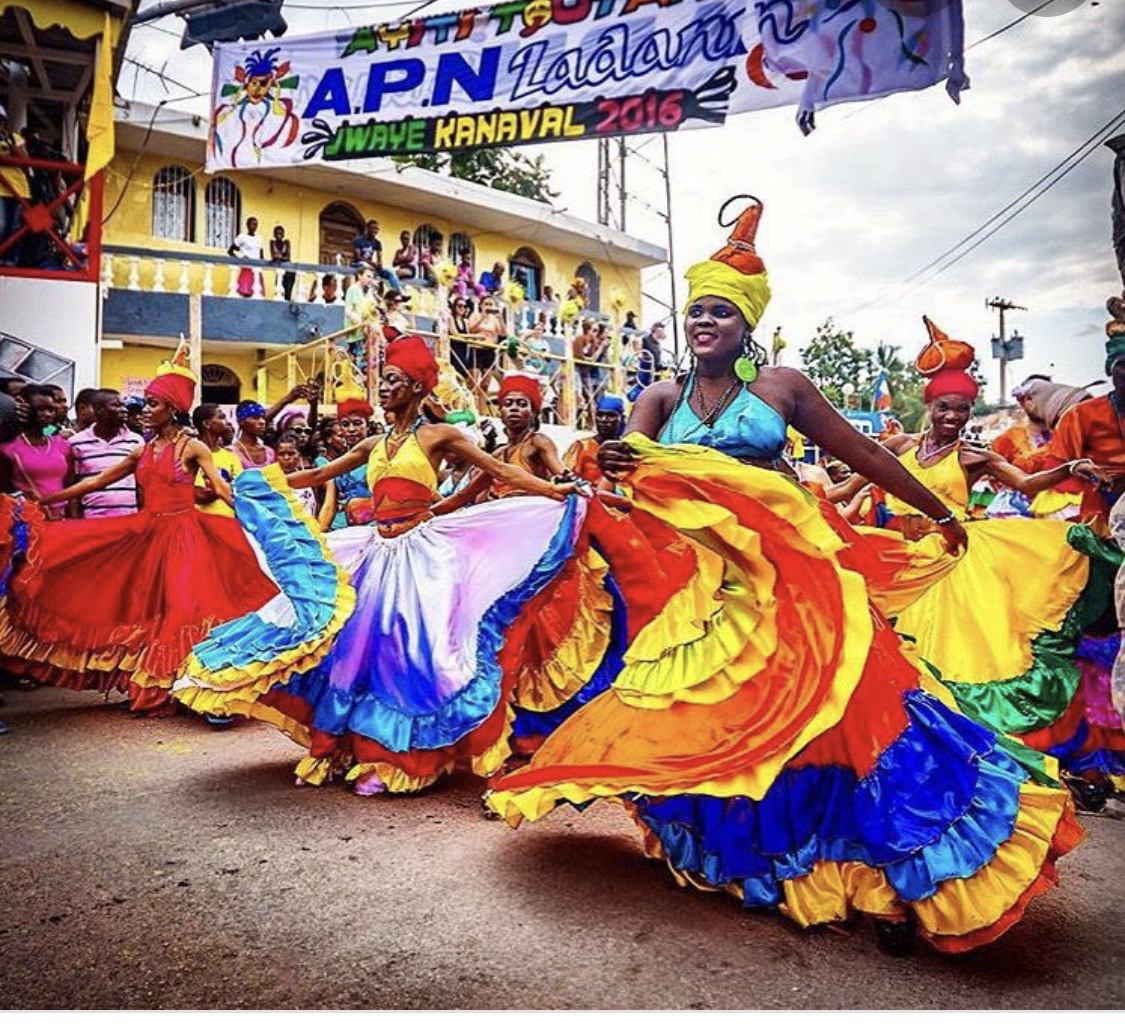
Haitian Carnival is a major cultural event that sweeps across Haiti every year in the weeks leading up to Mardi Gras. Known for its exuberant parades, music, and costumes, the festival is both a time of joyful release and a showcase of Haitian creativity. In Port-au-Prince, the capital, streets fill with floats, dancers, and musicians, while smaller towns like Jacmel and Aux Cayes hold their own vibrant celebrations. For many Haitians, Kanaval is a chance to express themselves, satirize authority, and connect with traditions that blend Catholic, Vodou, and local customs. The festival is deeply woven into the national identity, drawing people together in a shared spirit of revelry.
Where it comes from
The official public celebration of carnival in Haiti began in 1804 in Port-au-Prince, influenced by European Mardi Gras traditions brought during colonial times. Over the years, Haitian Carnival has absorbed local practices, especially Vodou rituals and indigenous music, making it distinct from other carnivals in the Americas. While originally rooted in Catholic pre-Lenten festivities, Kanaval has become a fusion of spiritual, political, and popular expression. The festival has also been a stage for social commentary, sometimes drawing criticism from religious groups or sparking controversy, but always reflecting the resilience and creativity of Haitian society.
How it is celebrated
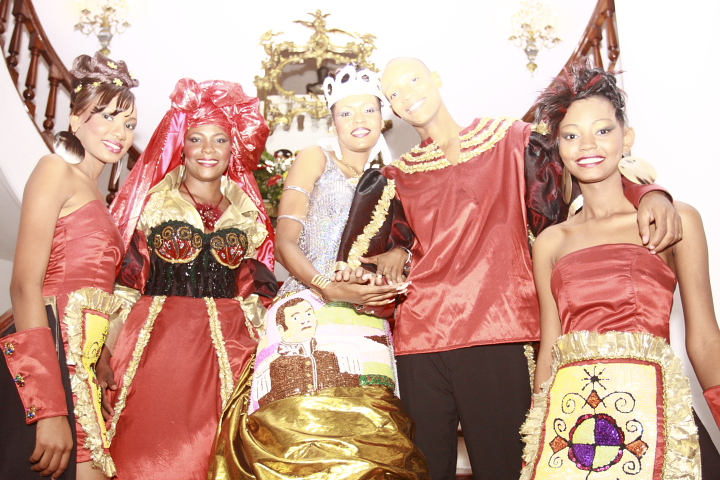
Celebrations begin in January with Pre-Kanaval and intensify through February, ending on Mardi Gras. Parades feature elaborately decorated floats, costumed performers, and energetic dancers moving through city streets to the rhythms of konpa, mizik rasin, zouk, and rap kreyòl. Sound systems on trucks blast music, while food stalls offer barbecued treats and rum. Comedy plays and satirical performances are common, often poking fun at political figures. Revelers wear masks and costumes, and the atmosphere is charged with excitement, dancing, and spontaneous expressions like 'lage kò w' (let go of yourself). The festivities culminate at Champ de Mars in Port-au-Prince, where bands compete and crowds gather for concerts and dancing late into the night.
Joining in
Visitors can join the main celebrations in Port-au-Prince, especially around Champ de Mars, where the largest parades and concerts take place. Expect lively crowds, vibrant costumes, and non-stop music. Smaller towns like Jacmel and Aux Cayes also offer unique local versions of the festival, often with their own artistic flair. As a newcomer, it's best to come ready to dance, sample street food, and immerse yourself in the joyful chaos. The festival is open to all, and tourists are welcomed into the revelry alongside locals.
Sources and attribution
This page is Mela's own summary, written in new words. Its facts are drawn from the Wikipedia article Haitian Carnival, whose text is available under the CC BY-SA 4.0 licence, and from its Wikidata record (CC0). Each photo is credited to its author beside it. For the full account, read the originals below.
Read more
- Haitian Carnival on WikipediaEncyclopedia
- More photos on Wikimedia CommonsPhotos
- Wikidata recordOpen data
This page was written with AI assistance from the sources listed above, and checked automatically before publishing. Spotted a mistake? Tell us. Last refreshed 2026-10-02.
 Cultural
 Spiritual
 Spiritual
 National days
 Cultural
 Cultural
 Cultural
 Cultural