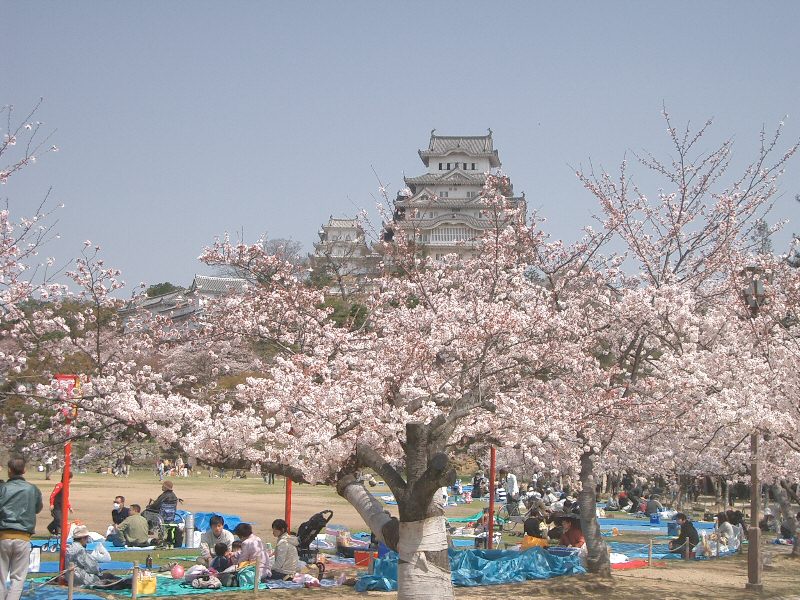
Hanami is the Japanese tradition of gathering to enjoy the brief, beautiful bloom of cherry blossoms. From late March to early May, people across Japan picnic under flowering trees, marking the arrival of spring with friends, family, and coworkers.
- The cherry blossom forecast is eagerly followed across Japan each spring
- Hanami parties often feature bento, dango, and sake under the trees
- Nighttime hanami (yozakura) uses lanterns to light up the blossoms
- The tradition dates back over a thousand years to the Imperial Court
- Plum blossom viewing (umemi) is a quieter, older form of hanami
What it is
Hanami, meaning “flower viewing,” is a beloved Japanese custom centered on appreciating the short-lived beauty of cherry blossoms, or sakura. Each spring, parks and riversides fill with people who gather beneath the blooming trees to share food, drink, and conversation. The event is as much about togetherness as it is about the flowers, with the delicate blossoms serving as a reminder of the fleeting nature of life. Hanami is celebrated by all generations, and while cherry blossoms are the main focus, some also observe the earlier plum blossom season in a quieter way.
Where it comes from
Hanami traces its roots to the Nara period, when people first admired plum blossoms, inspired by Chinese traditions of poetry and wine under flowering trees. By the Heian period, cherry blossoms had become the central focus, with the Imperial Court in Kyoto hosting elaborate viewing parties. Over centuries, the custom spread from the elite to samurai and eventually to the wider public, especially during the Edo period when cherry trees were widely planted in urban parks and temple grounds. The practice has evolved, but the core idea—gathering to appreciate the beauty and impermanence of blossoms—remains unchanged.
How it is celebrated
Celebrating hanami typically involves picnicking under cherry trees, with groups reserving spots in parks well in advance. People bring bento boxes, dango (sweet rice dumplings), and sake, sharing meals and drinks as they admire the blossoms. In cities like Tokyo and Kyoto, hanami parties can be lively and crowded, especially at famous sites such as Ueno Park. Nighttime hanami, called yozakura, is popular too, with paper or electric lanterns illuminating the trees and creating a magical atmosphere. While some gatherings are boisterous, others are quiet and reflective, especially those focused on plum blossoms. The anticipation builds each year as the “cherry blossom front” moves north, tracked closely by media and blossom forecasts.


Joining in
To experience hanami, visitors can head to public parks in cities like Tokyo, Kyoto, and Osaka during cherry blossom season. Arriving early is key to securing a good spot, as locals often stake out places hours or days ahead. Expect a festive mood, with families, friends, and coworkers enjoying food, music, and the scenery. At night, lantern-lit parks offer a different, enchanting view of the blossoms. While most celebrations are open and welcoming, some areas may be especially crowded, so patience and respect for local customs are appreciated.
Sources and attribution
This page is Mela's own summary, written in new words. Its facts are drawn from the Wikipedia article Hanami, whose text is available under the CC BY-SA 4.0 licence, and from its Wikidata record (CC0). Each photo is credited to its author beside it. For the full account, read the originals below.
Read more
This page was written with AI assistance from the sources listed above, and checked automatically before publishing. Spotted a mistake? Tell us. Last refreshed 2026-10-02.
More seasonal and harvest festivals
See them all Seasonal
Marvaries
Nowruz🇦🇫 Afghanistan and 23 more countries
Seasonal
Marvaries
Nowruz🇦🇫 Afghanistan and 23 more countries
 Seasonal
1Mar
Martenitsa🇦🇱 Albania and 5 more countries
Seasonal
1Mar
Martenitsa🇦🇱 Albania and 5 more countries
 Seasonal
14Mar
Dita e Verës🇦🇱 Albania and 3 more countries
Seasonal
14Mar
Dita e Verës🇦🇱 Albania and 3 more countries
 Seasonal
1Mar
Chalandamarz🇨🇭 Ftan, Switzerland
Seasonal
1Mar
Chalandamarz🇨🇭 Ftan, Switzerland
 Seasonal
Marvaries
Kpledjoo Festival🇬🇭 Tema, Ghana
Seasonal
Marvaries
Kpledjoo Festival🇬🇭 Tema, Ghana
 Seasonal
13Apr
Thingyan🇲🇲 Yangon, Myanmar
Seasonal
13Apr
Thingyan🇲🇲 Yangon, Myanmar
 Seasonal
13Apr
Songkran🇹🇭 Bangkok, Thailand
Seasonal
13Apr
Songkran🇹🇭 Bangkok, Thailand
 Seasonal
1Feb
Imbolc (Saint Brigid's Day)🇮🇪 Ireland and 1 more country
Seasonal
1Feb
Imbolc (Saint Brigid's Day)🇮🇪 Ireland and 1 more country