
Dita e Verës, or Summer Day, is Albania’s ancient spring festival, celebrated each year on March 14. Marking the end of winter and the arrival of longer days, it brings families and communities together across Albania and Albanian-inhabited regions with bonfires, sweets, and vibrant traditions.
- Bonfires are lit to mark the end of winter and welcome the sun
- Ballokume, a cornflour cookie, is the festival’s signature treat
- Red and white 'verore' bracelets are worn for luck and health
- Elbasan hosts the largest and most vibrant celebrations
- Families gather for picnics and exchange wishes for happiness
What it is
Dita e Verës, meaning 'Summer Day,' is a cherished Albanian festival that signals the end of winter and the arrival of spring. Rooted in ancient pagan traditions, it celebrates the renewal of nature, the strengthening of the Sun, and the hope for a healthy and prosperous year. Families gather to share special foods, light bonfires, and exchange wishes for long and happy lives. The festival is especially lively in Elbasan, but is marked with regional customs throughout Albania and among Albanian communities elsewhere. Dita e Verës is a time of joy, community, and connection to the rhythms of the earth.
Where it comes from
Dita e Verës has its origins in the old Albanian calendar, where it marked the first day of the new year and the beginning of the 'summer' season. Traditionally, this festival coincided with the spring equinox, a time when daylight overtakes night. It is one of the chief festivities in traditional Albanian paganism, celebrating the Sun (Dielli), the renewal of nature, and respect for the earth (Dheu). Over centuries, the festival has absorbed regional and family customs, but its essence as a celebration of renewal and light has remained unchanged.
How it is celebrated
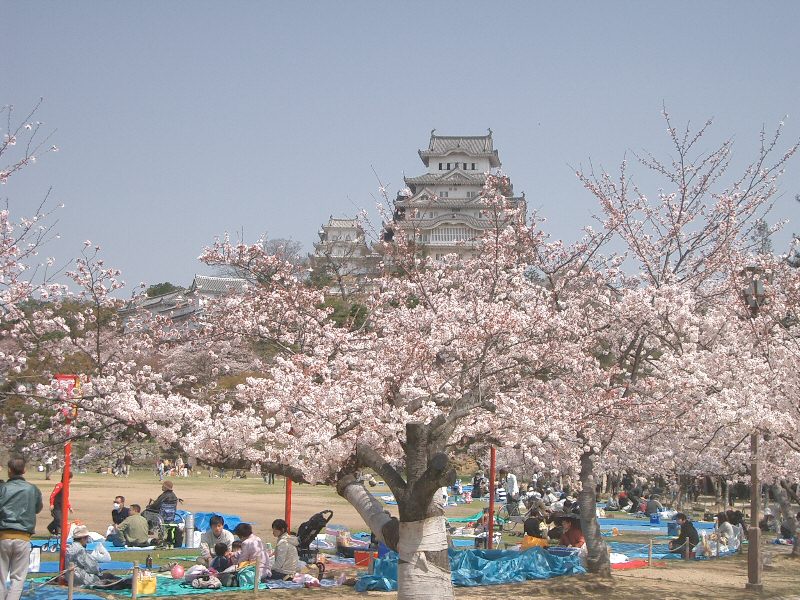
Celebrations begin on the evening before, with bonfires lit in yards and public spaces to drive away winter’s darkness and purify for the new season. People dance, sing, and sometimes leap over the flames for good luck. On the morning of March 14, families visit relatives, and children deliver gifts. A signature treat is ballokume, a sweet cornflour cookie kneaded in copper bowls, especially famous in Elbasan. Red and white wool bracelets called 'verore' are worn to mark the start of summer, and children in some regions go door to door singing and collecting colored eggs. Picnics in parks and countryside spots are a highlight, with traditional foods like flia and anak, and communal games, music, and performances add to the festive spirit. The day is filled with wishes for health, happiness, and abundance.

Joining in
Elbasan is the heart of Dita e Verës celebrations, drawing visitors from across Albania to its decorated streets, concerts, and bustling markets. As a newcomer, expect to see families picnicking, children with red-and-white bracelets, and the aroma of ballokume in the air. Join in by watching or participating in the bonfire rituals, tasting local sweets, and enjoying the open-air festivities. While Elbasan is the focal point, towns and villages throughout Albania each add their own flavor to the day, making it a welcoming and lively experience for all.
Sources and attribution
This page is Mela's own summary, written in new words. Its facts are drawn from the Wikipedia article Dita e Verës, whose text is available under the CC BY-SA 4.0 licence, and from its Wikidata record (CC0). Each photo is credited to its author beside it. For the full account, read the originals below.
Read more
This page was written with AI assistance from the sources listed above, and checked automatically before publishing. Spotted a mistake? Tell us. Last refreshed 2026-10-02.
 Cultural
 Seasonal
 Seasonal
 Music
Music Seasonal
 Seasonal
 Seasonal
 Seasonal