
The Japan Cup is a prestigious Group 1 flat horse race held annually at Tokyo Racecourse in Fuchū, Tokyo, Japan. Taking place on the last Sunday of November, it draws top thoroughbreds aged three and up from Japan and around the world, competing over 2,400 meters for one of the richest purses in horse racing.
- Held at Tokyo Racecourse in Fuchū, Tokyo
- First run in 1981 to promote international competition
- 2,400 meters on turf, left-handed track
- One of the richest horse races, with over one billion yen in prizes
- Last Sunday of November, attracting up to 18 top thoroughbreds
What it is
The Japan Cup is one of the world’s most renowned horse races, bringing together elite thoroughbreds from Japan and abroad to compete on the turf at Tokyo Racecourse. Since its inception in 1981, it has symbolized Japan’s ambition to measure its horses against international standards and foster goodwill in the global racing community. With a massive audience and a prize purse exceeding one billion yen, the race is a highlight of the Japanese racing calendar and a major sporting event in the country. For fans and participants alike, the Japan Cup is a showcase of speed, stamina, and strategy, set against the backdrop of late autumn in Tokyo.
Where it comes from
The Japan Cup was established in 1981 by the Japan Racing Association to provide a platform for Japanese horses to compete with top international contenders. Before its creation, Japanese races rarely allowed foreign entries, limiting the country’s exposure to global competition. The inaugural race was a turning point, as foreign horses dominated the early years, prompting Japan to raise its standards and invest in breeding and training. Over time, the Cup has evolved into a symbol of international cooperation and rivalry, with winners from several continents and a tradition of diplomatic gestures, such as the Irish Government’s presentation of the Ambassador of Ireland Prize to the winner.
How it is celebrated
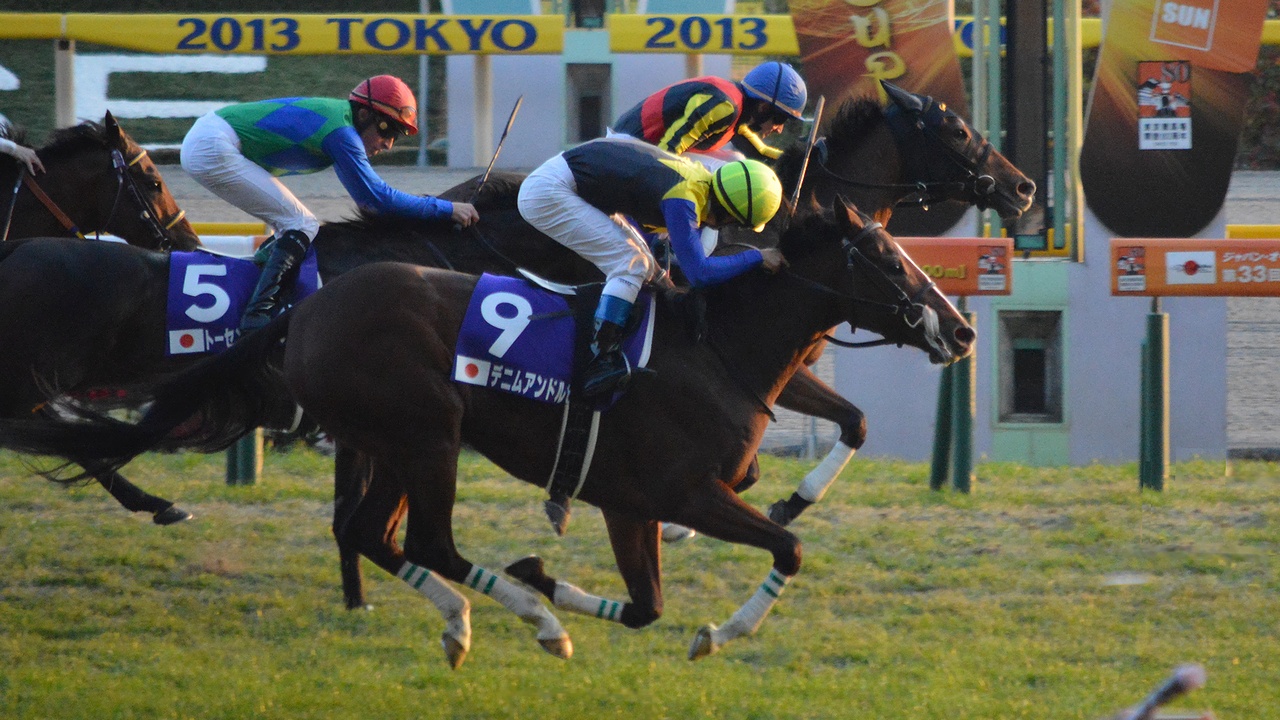
On race day, Tokyo Racecourse in Fuchū comes alive with tens of thousands of spectators, all eager to witness the drama unfold on the turf. The race is run over 2,400 meters on a left-handed, undulating track with a challenging uphill stretch near the finish. The field is limited to 18 horses, including up to ten foreign-trained entries, ensuring a high level of competition. The atmosphere is charged as fans cheer for their favorites, and the long homestretch often produces thrilling late surges. The event is not only about the race itself but also the spectacle: from the parade of horses and jockeys in colorful silks to the awarding of substantial prizes and international honors, the Japan Cup is a celebration of equestrian excellence and sporting spirit.


Joining in
Visitors can experience the excitement of the Japan Cup at Tokyo Racecourse, located in Fuchū, a suburb of western Tokyo. The main festivities center around the grandstands and paddock area, where fans gather to watch the horses up close before the race and feel the energy of the crowd. Expect a lively, festive atmosphere, with food stalls, betting booths, and plenty of opportunities to mingle with local and international racing enthusiasts. Arriving early is recommended to secure a good spot, as the event regularly draws crowds of around 100,000.
Sources and attribution
This page is Mela's own summary, written in new words. Its facts are drawn from the Wikipedia article Japan Cup, whose text is available under the CC BY-SA 4.0 licence, and from its Wikidata record (CC0). Each photo is credited to its author beside it. For the full account, read the originals below.
Read more
This page was written with AI assistance from the sources listed above, and checked automatically before publishing. Spotted a mistake? Tell us. Last refreshed 2026-10-02.
 Cultural
 Spiritual
 Spiritual
 Sports
 Sports
 Sports
 Sports
 Sports