
Lag BaOmer
Bonfires and celebration mark the 33rd day of the Omer count in Jewish tradition.
Lag BaOmer is a Jewish festival observed on the 33rd day of the Omer count, falling on the 18th of Iyar in the Hebrew calendar. It is most widely celebrated in Israel, especially at Meron, with bonfires, pilgrimages, and the lifting of mourning customs.
- Bonfires are lit across Israel and Jewish communities worldwide.
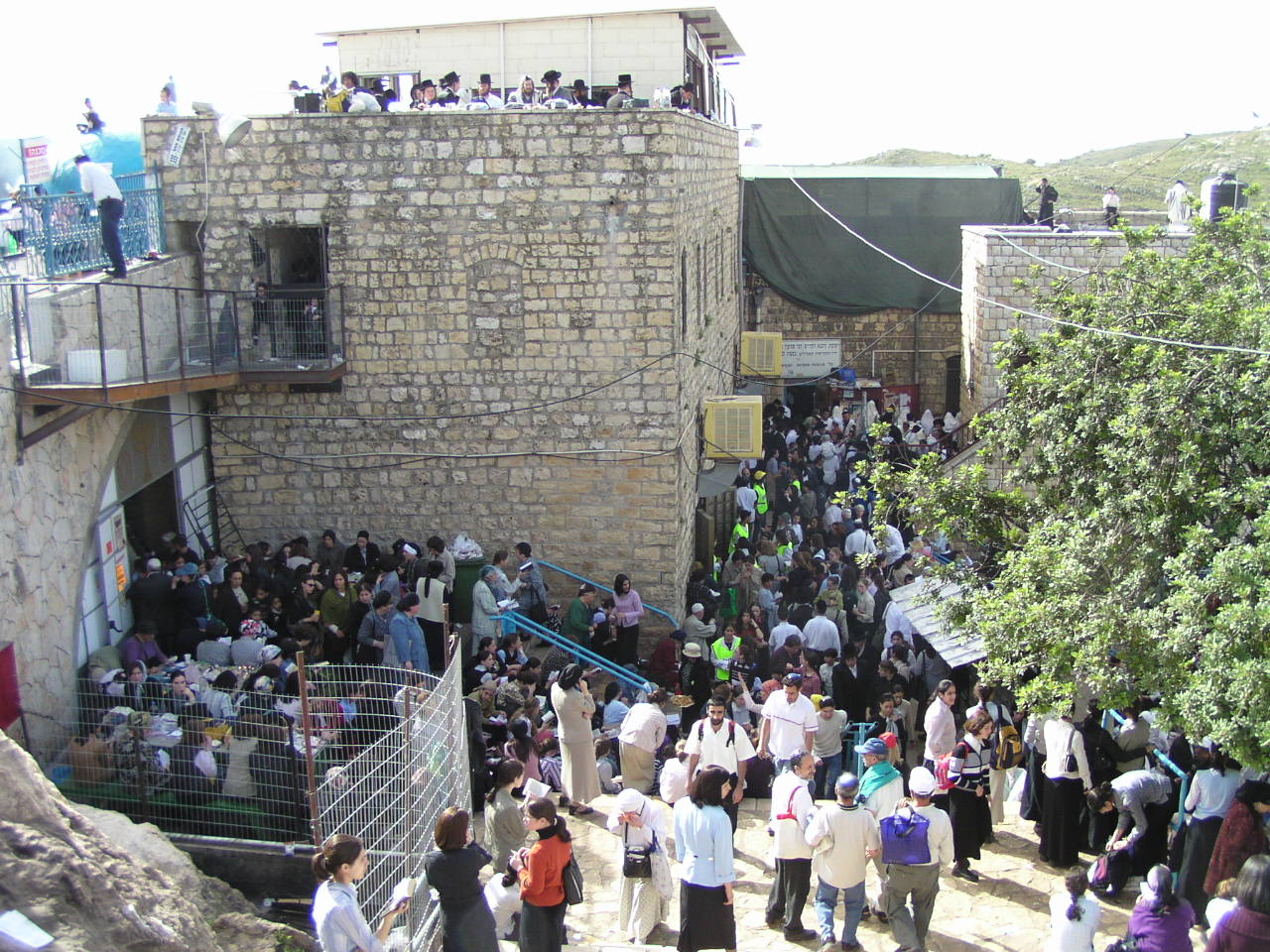
- Pilgrims flock to Rabbi Shimon bar Yochai's tomb in Meron.
- Weddings and haircuts mark the end of mourning for many.
- Children play with bows and arrows as part of the tradition.
- The festival falls on the 33rd day of the Omer count.
What it is
Lag BaOmer is a joyful day in the Jewish calendar, breaking the semi-mourning period of the Omer that stretches from Passover to Shavuot. For many, it marks the end of restrictions on music, weddings, and haircuts, and is a time to gather with friends and family. The festival is especially meaningful for those who honor the memory of Rabbi Shimon bar Yochai, a revered sage, whose tomb in Meron becomes the focus of massive celebrations. The day is associated with spiritual light and hope, and is often seen as a time of renewal and community.
Where it comes from
The roots of Lag BaOmer are layered and somewhat mysterious. Early references to the date appear in synagogue inscriptions from the 5th to 7th centuries CE, possibly linked to events such as the destruction of a temple by an earthquake. Over time, traditions grew around this day, including the belief that a deadly plague among Rabbi Akiva’s students ended on Lag BaOmer. In the Middle Ages, pilgrimages to the tomb of Shimon bar Yochai in Meron became common, and later customs connected the day to both mystical teachings and the Bar Kokhba revolt. The festival also became known as a special day for students in pre-war Europe.
How it is celebrated
Bonfires are the most visible and widespread tradition on Lag BaOmer, lighting up the night across Israel and Jewish communities worldwide. In Meron, hundreds of thousands gather at the tomb of Rabbi Shimon bar Yochai, singing, dancing, and celebrating late into the night. Many families take the opportunity to picnic outdoors, and children often play with bows and arrows, echoing older customs. For Ashkenazi Jews, weddings and haircuts are common on this day, with some three-year-old boys receiving their first haircut in a joyful ceremony. Music, feasting, and a sense of release from mourning fill the air, making it a lively and communal occasion.



Joining in
If you visit Israel during Lag BaOmer, Meron in the north is the heart of the celebration, drawing crowds from across the country and beyond. Expect lively bonfires, music, and dancing, especially around the tomb of Rabbi Shimon bar Yochai. In cities and towns throughout Israel, families and groups gather in open spaces to light their own fires and share food. Visitors are welcome to observe or join in the festivities, but should be prepared for large crowds and late-night revelry, particularly in Meron.
Sources and attribution
This page is Mela's own summary, written in new words. Its facts are drawn from the Wikipedia article Lag BaOmer, whose text is available under the CC BY-SA 4.0 licence, and from its Wikidata record (CC0). Each photo is credited to its author beside it. For the full account, read the originals below.
Read more
- Lag BaOmer on WikipediaEncyclopedia
- Encyclopaedia BritannicaArticle
- More photos on Wikimedia CommonsPhotos
- Wikidata recordOpen data
This page was written with AI assistance from the sources listed above, and checked automatically before publishing. Spotted a mistake? Tell us. Last refreshed 2026-10-03.
 Spiritual
 Spiritual
 Spiritual
 Spiritual
 Spiritual
 Spiritual
 Spiritual
 Spiritual