
San Sebastián International Film Festival
A world-class celebration of cinema on Spain's northern coast
The San Sebastián International Film Festival is an annual event held in San Sebastián, Basque Country, Spain, usually in September. Founded in 1953, it brings together filmmakers, industry professionals, and audiences from around the world to showcase and celebrate international cinema.
- Founded in 1953 in San Sebastián, Basque Country, Spain
- The Golden Shell is the festival's top award
- Screenings held at the Kursaal and other city venues
- Features competitive and non-competitive film sections
- Hosts the Donostia Award for career achievement
What it is
The San Sebastián International Film Festival is one of the most respected film festivals in the world, drawing filmmakers, critics, and cinema lovers to the Basque city of San Sebastián each year. Recognised for its competitive spirit and international reach, the festival is a platform for both established and emerging voices in cinema. Its main award, the Golden Shell, is highly sought after, and the event is known for its diverse programme, which includes premieres, retrospectives, and special screenings. For many, the festival is a celebration of cinematic artistry and a meeting point for the global film community.
Where it comes from
The festival began in 1953 as the San Sebastián International Film Week, initially focusing on Spanish cinema before gaining international recognition. It was soon accredited by the International Federation of Film Producers Associations (FIAPF) and, after several changes in status, achieved its current standing as a 'Class A' competitive festival in 1985. Over the decades, the festival has adapted to changes in the film industry and Spain's own political landscape, growing from a local event into a major international showcase. Notable moments include screenings of films like Hitchcock's Vertigo and the launch of the Donostia Award in 1986.
How it is celebrated
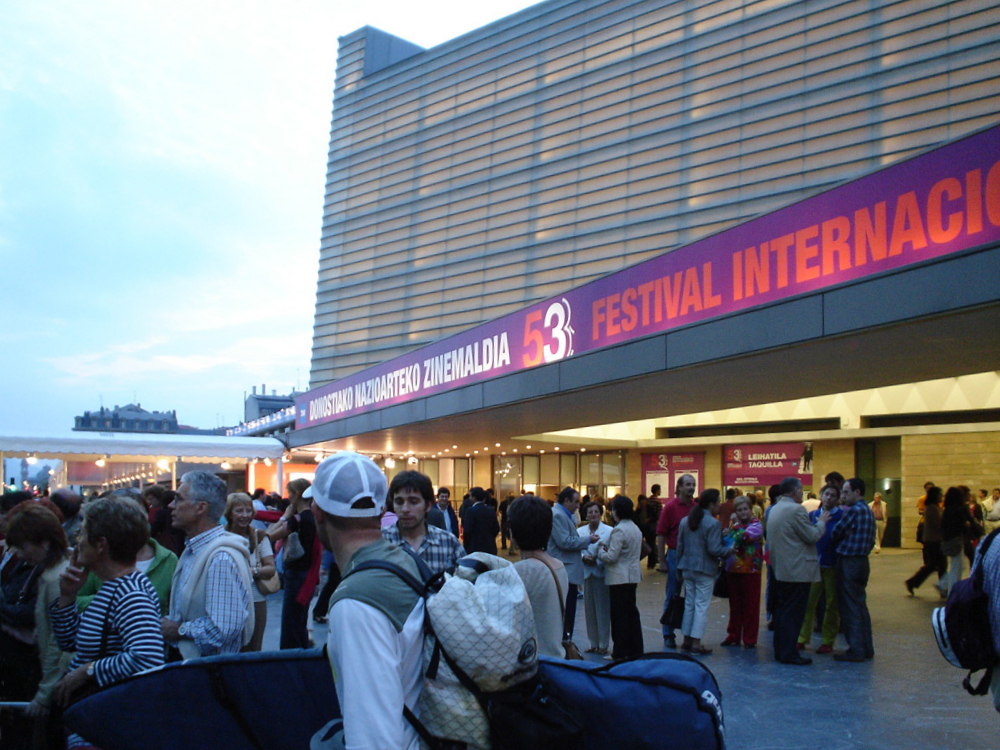
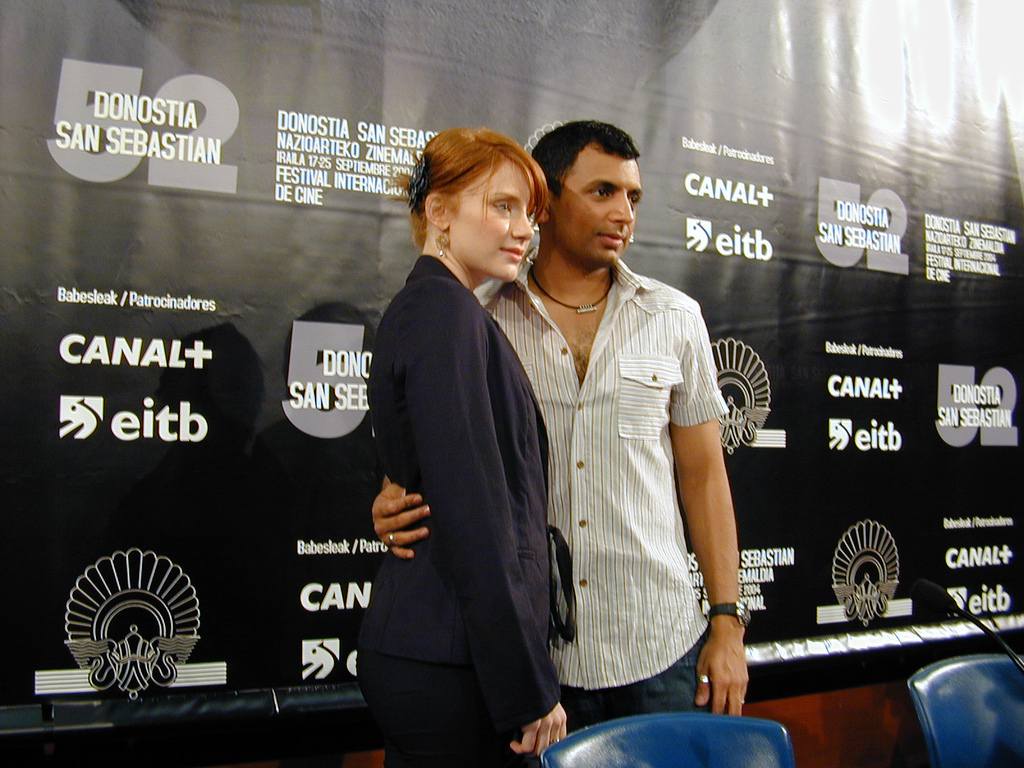
During the festival, San Sebastián becomes a hub for film premieres, red carpet events, and lively discussions. Screenings take place across the city in venues such as the Kursaal, Victoria Eugenia Theatre, and Tabakalera, each offering a unique atmosphere. The programme features a mix of competitive and non-competitive sections, including the Official Selection, New Directors, and Horizontes Latinos, as well as showcases for Basque and Spanish cinema. Industry professionals attend forums and workshops, while audiences enjoy Q&As, retrospectives, and culinary-themed screenings. The city itself buzzes with visitors, filmmakers, and locals, all sharing in the excitement of discovering new films.


Joining in
Visitors can experience the festival by attending public screenings and events held at major venues like the Kursaal and Tabakalera. The city is welcoming to newcomers, with tickets available for many films and a lively festival atmosphere throughout San Sebastián. Expect a cosmopolitan crowd, opportunities to see acclaimed directors and actors, and the chance to explore Basque culture alongside world cinema. Whether you're a dedicated cinephile or a curious traveller, the festival offers a unique way to engage with film in a beautiful coastal setting.
Sources and attribution
This page is Mela's own summary, written in new words. Its facts are drawn from the Wikipedia article San Sebastián International Film Festival, whose text is available under the CC BY-SA 4.0 licence, and from its Wikidata record (CC0). Each photo is credited to its author beside it. For the full account, read the originals below.
Read more
- San Sebastián International Film Festival on WikipediaEncyclopedia
- Official websiteOfficial site
- More photos on Wikimedia CommonsPhotos
- Wikidata recordOpen data
This page was written with AI assistance from the sources listed above, and checked automatically before publishing. Spotted a mistake? Tell us. Last refreshed 2026-10-02.
 Spiritual
 Sports
 Cultural
 Spiritual
 Arts and film
 Arts and film
 Arts and film
 Arts and film