
Holy Week in Seville
Seville’s Holy Week: solemn processions, ancient art, and deep devotion
Holy Week in Seville is a major religious and cultural festival held in Seville, Spain, during the week leading up to Easter. Nearly 70 brotherhoods organize processions of ornate floats bearing lifelike sculptures depicting the Passion of Christ and the Virgin Mary, drawing crowds to the city’s streets from Palm Sunday to Easter Sunday.
- Nearly 70 brotherhoods organize processions throughout the week
- Pasos feature lifelike sculptures, some dating to the 16th century
- Nazarenos march in pointed hoods as an act of penance
- Saetas, flamenco-style songs, are sung spontaneously along the route
- The climax is the overnight processions from Holy Thursday to Good Friday
What it is
Holy Week in Seville, known locally as Semana Santa de Sevilla, is a deeply significant event for the city’s Catholic community. For seven days, the streets fill with processions organized by religious brotherhoods, each carrying elaborate floats (pasos) with sculptures that portray scenes from the Passion of Christ or the sorrow of the Virgin Mary. These processions are both acts of faith and displays of artistic heritage, with some sculptures dating back centuries. The week is marked by solemnity, devotion, and a sense of collective participation, as thousands of locals and visitors gather to witness or join in the rituals that connect the city to its spiritual and cultural roots.
Where it comes from
The tradition of Holy Week processions in Seville dates back centuries, with some of the oldest surviving sculptures carved in the 16th century. The event has grown over time, shaped by local brotherhoods (hermandades and cofradías) who organize the processions and maintain the artistic and devotional heritage of their pasos. Each brotherhood has its own history and customs, and the order of processions reflects a complex web of tradition, agreements, and local identity. Over the years, the festival has become not only a religious observance but also a major cultural event, central to Seville’s sense of self.
How it is celebrated
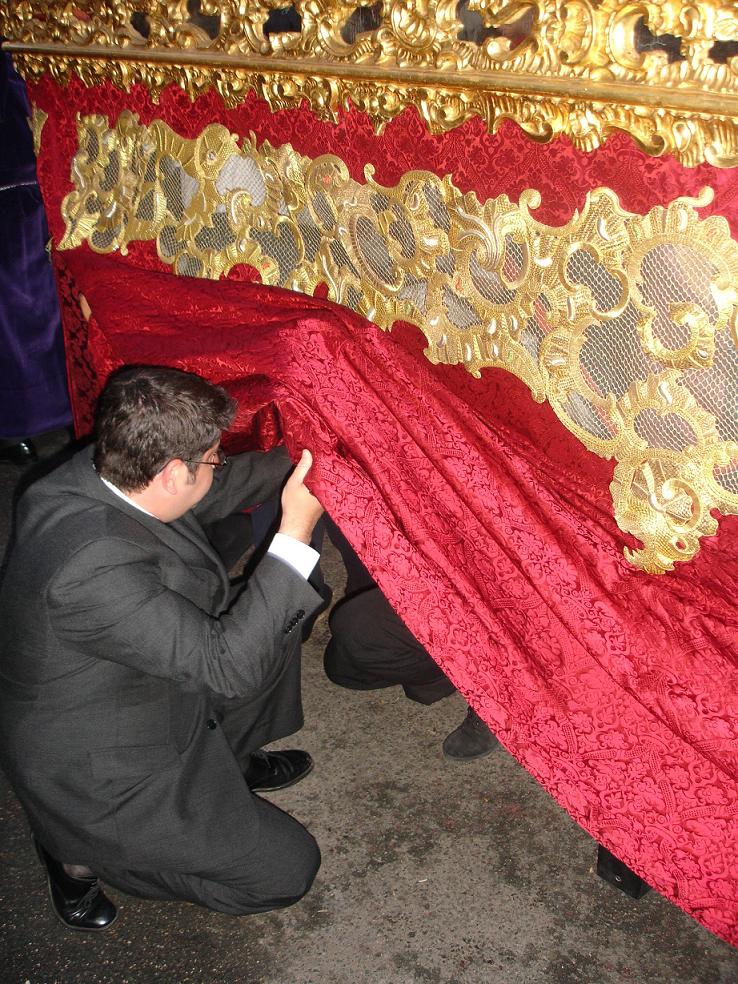
Celebration centers on the processions, which begin at the home churches of the brotherhoods and make their way to Seville’s cathedral and back. Each procession features up to three pasos: gilded or silvered floats bearing lifelike sculptures of Christ’s Passion or the grieving Virgin Mary, richly decorated with flowers and candles. Members of the brotherhoods, called nazarenos, walk in penitential robes and tall pointed hoods, often in silence, while others carry crosses or serve as altar boys and acolytes. Some processions are accompanied by bands playing solemn or celebratory music, while others are marked by silence or the haunting saetas—improvised flamenco-style songs sung from balconies or among the crowd. Women may wear the traditional black lace mantilla on Holy Thursday and Good Friday. The processions can last from four to fourteen hours, with the most dramatic taking place overnight from Holy Thursday into Good Friday.



Joining in
Visitors to Seville during Holy Week can expect the city’s historic center to be transformed by the processions, especially along the official route through streets like Campana, Calle Sierpes, and Avenida de la Constitución. Crowds gather to watch as the pasos pass by, and the atmosphere ranges from hushed reverence to bursts of song and applause. It’s possible to view the processions from public spaces or reserved seating areas, but patience is needed as the streets can become very crowded. The week offers a unique chance to witness living tradition, devotion, and artistry in one of Spain’s most atmospheric cities.
Sources and attribution
This page is Mela's own summary, written in new words. Its facts are drawn from the Wikipedia article Holy Week in Seville, whose text is available under the CC BY-SA 4.0 licence, and from its Wikidata record (CC0). Each photo is credited to its author beside it. For the full account, read the originals below.
Read more
- Holy Week in Seville on WikipediaEncyclopedia
- More photos on Wikimedia CommonsPhotos
- Wikidata recordOpen data
This page was written with AI assistance from the sources listed above, and checked automatically before publishing. Spotted a mistake? Tell us. Last refreshed 2026-10-02.
 Spiritual
 Sports
 Cultural
 Cultural
 Spiritual
 Spiritual
 Spiritual
 Spiritual