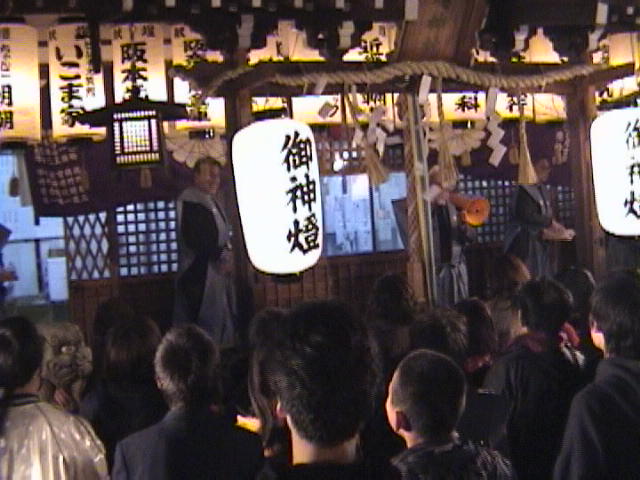
Setsubun is a Japanese festival marking the day before the start of spring in the old calendar, usually held on February 3. Across Japan, people perform rituals to drive away evil spirits and invite good fortune, most famously by throwing roasted soybeans at home or at lively shrine events.
- Roasted soybeans are thrown to drive away evil spirits
- People chant 'Oni wa soto! Fuku wa uchi!' during mamemaki
- Eating ehōmaki sushi rolls facing the lucky direction is customary
- Shrines invite celebrities and sumo wrestlers for public bean-throwing
- Entrances are decorated with sardine heads and holly leaves
What it is
Setsubun is a festival in Japan that marks the transition from winter to spring according to the traditional calendar. Its name means 'seasonal division', and it is seen as a time to cleanse away the misfortunes of the past year and invite good luck for the year ahead. The heart of the festival is the ritual of mamemaki, or bean-throwing, which symbolizes driving out evil spirits and welcoming fortune. Setsubun is both a spiritual and cultural event, celebrated in homes and at shrines and temples throughout the country.
Where it comes from
Setsubun traces its roots to the Chinese custom of tsuina, introduced to Japan in the 8th century as a court ritual to ward off evil spirits at the end of the lunar year. Over centuries, these practices blended with local beliefs and evolved, especially during the Muromachi period, when the bean-throwing ritual became widespread among the aristocracy and samurai. By the Edo period, Setsubun had spread to all levels of society, with new customs such as decorating doors with sardine heads and holly leaves to keep away spirits. The tradition of eating ehōmaki, a special sushi roll, also developed over time and became popular across Japan.
How it is celebrated
The most recognized Setsubun ritual is mamemaki, where roasted soybeans are thrown either out the door or at someone wearing an oni (demon) mask, accompanied by the chant 'Oni wa soto! Fuku wa uchi!' ('Devils out! Fortune in!'). Afterward, people eat a number of beans equal to their age plus one for good luck. Many families perform this at home, but large celebrations also take place at shrines and temples, where priests, celebrities, and even sumo wrestlers throw beans and prizes to crowds. In some regions, people eat ehōmaki—an uncut sushi roll—while facing the year's lucky direction in silence. Other customs include decorating entrances with sardine heads and holly leaves, drinking ginger sake, and enjoying regional foods. In Kyoto, apprentice geisha perform dances before joining in the bean-throwing, and in some places, role reversals in dress and appearance add a playful spirit to the day.


Joining in
Visitors can experience Setsubun at major shrines and temples across Japan, especially in cities like Tokyo and Kyoto. At places such as Sensō-ji in Tokyo, crowds gather for lively mamemaki events, where beans and prizes are thrown to the public. Expect festive atmospheres, traditional performances, and the chance to join locals in rituals for luck and protection. Many supermarkets and convenience stores also sell ehōmaki sushi rolls for the occasion. Whether at a bustling shrine or a quiet family home, Setsubun offers a vivid glimpse into Japanese seasonal traditions.
Sources and attribution
This page is Mela's own summary, written in new words. Its facts are drawn from the Wikipedia article Setsubun, whose text is available under the CC BY-SA 4.0 licence, and from its Wikidata record (CC0). Each photo is credited to its author beside it. For the full account, read the originals below.
Read more
This page was written with AI assistance from the sources listed above, and checked automatically before publishing. Spotted a mistake? Tell us. Last refreshed 2026-10-02.
 Cultural
 Spiritual
 Spiritual
 Sports
 Spiritual
 Spiritual
 Spiritual
 Spiritual