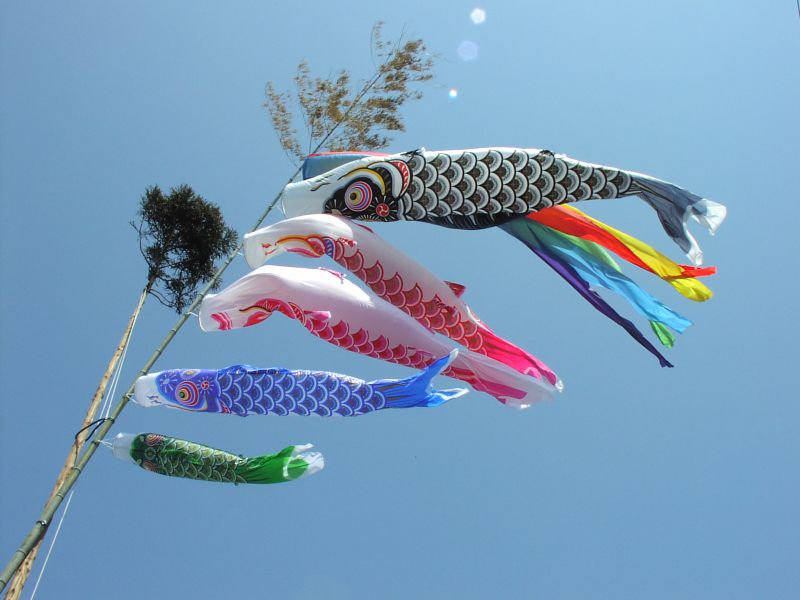
Tango no Sekku, now known as Children's Day, is a Japanese festival held on May 5 each year. Marking the start of summer, it celebrates the happiness of children and honors family, with traditions like displaying samurai armor and flying carp streamers.
- Carp-shaped koinobori streamers fly above homes across Japan
- Miniature samurai armor and helmets are displayed for protection
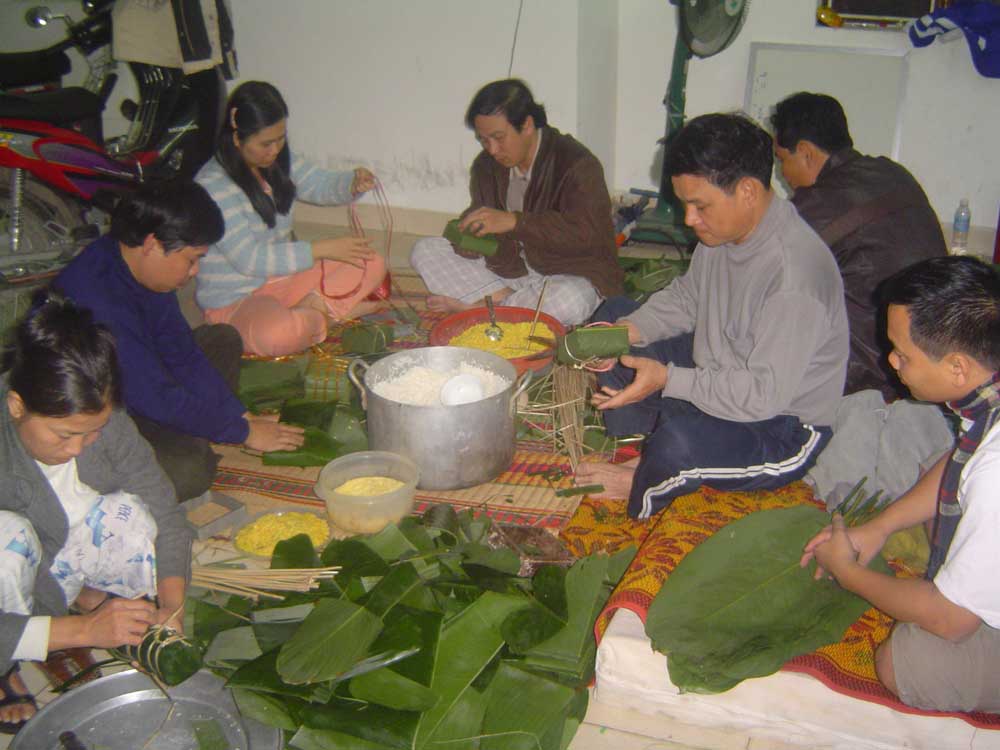
- Families eat kashiwa mochi and chimaki, traditional rice sweets
- Irises are used in baths and decorations to ward off evil
- Celebrates all children and honors mothers since 1948
What it is
Tango no Sekku, once called Boys' Day, is a festival in Japan dedicated to the happiness and well-being of children. Traditionally observed on May 5, it is one of the five major seasonal festivals and marks the beginning of summer or the rainy season. Families express hopes for their children's health and future, decorating their homes with symbols of strength and prosperity. Today, it is celebrated as Children's Day, including both boys and girls, and is a time for families to come together, honor their children, and give thanks to mothers.
Where it comes from
The origins of Tango no Sekku trace back to ancient court ceremonies, likely during the reign of Empress Suiko in the 7th century. Initially, it was a day for women to purify their homes with irises and rest. With the rise of the samurai class in the Kamakura period, the festival shifted focus to boys, as the iris plant symbolized martial virtues and protection. Over centuries, customs evolved—samurai families displayed armor and helmets, and later, paper kabuto and samurai dolls became common. In 1948, the festival was renamed Children's Day to celebrate all children and recognize mothers.
How it is celebrated
On Tango no Sekku, families in Japan display miniature samurai armor, kabuto helmets, and sometimes samurai dolls to wish for their children's strength and safety. Colorful koinobori (carp streamers) are flown outside homes, with each carp representing a family member, symbolizing perseverance and success. Traditional foods like kashiwa mochi (rice cakes with red bean paste wrapped in oak leaves) and chimaki (sweet rice wrapped in leaves) are enjoyed. Irises, believed to ward off evil, are used in various ways—bathing with iris leaves, drinking iris-infused sake, or placing irises in pillows. The day is filled with family gatherings and expressions of gratitude.


Joining in
If you visit Japan during Tango no Sekku, look for vibrant carp streamers fluttering above homes and public spaces. The main celebrations are found throughout the country, especially in residential neighborhoods and parks. Expect to see displays of miniature armor and samurai helmets in homes and shops. While the festival is family-centered, visitors are welcome to enjoy the festive atmosphere, sample traditional sweets, and observe the colorful decorations that fill towns and cities on May 5.
Sources and attribution
This page is Mela's own summary, written in new words. Its facts are drawn from the Wikipedia article Tango no sekku, whose text is available under the CC BY-SA 4.0 licence, and from its Wikidata record (CC0). Each photo is credited to its author beside it. For the full account, read the originals below.
Read more
- Tango no sekku on WikipediaEncyclopedia
- More photos on Wikimedia CommonsPhotos
- Wikidata recordOpen data
This page was written with AI assistance from the sources listed above, and checked automatically before publishing. Spotted a mistake? Tell us. Last refreshed 2026-10-02.
 Cultural
 Spiritual
 Spiritual
 Sports
 Cultural
 Cultural
 Cultural
 Cultural