
The Tokyo Marathon is an annual road running event held in Tokyo, Japan every February. As one of the eight World Marathon Majors, it draws tens of thousands of runners and spectators from around the globe to experience a vibrant race through the city's iconic districts.
- One of the eight World Marathon Majors
- Over 35,000 finishers in 2019
- Course passes Tokyo landmarks like Asakusa and Ginza
- Nearly half of 2024 finishers were age 50 or older
- First held in 2007
What it is
The Tokyo Marathon is a major annual marathon that transforms the streets of Japan’s capital into a celebration of endurance and community. As a World Athletics Platinum Label race and one of the prestigious World Marathon Majors, it attracts a mix of elite international athletes and everyday runners. The event is not only a test of physical stamina but also a showcase of Tokyo’s urban landscape, with the course passing landmarks like the Tokyo Metropolitan Government Building, Asakusa, Ginza, and finishing near Tokyo Station. For many, participating is a personal milestone, while for the city, it is a day of collective excitement and pride.
Where it comes from
The Tokyo Marathon began in 2007, but its roots stretch back to earlier marathons in the city, including the Tokyo International Marathon and the Tokyo-New York Friendship International Marathon, which alternated annually from 1982. The unified Tokyo Marathon quickly grew in scale, with its inaugural edition drawing 30,000 participants. Over the years, it has served as a selection race for international championships and has seen numerous record-breaking performances. The event has adapted to challenges such as the COVID-19 pandemic, at times limiting participation to elite runners and rescheduling dates, yet it remains a highlight of the global marathon calendar.
How it is celebrated
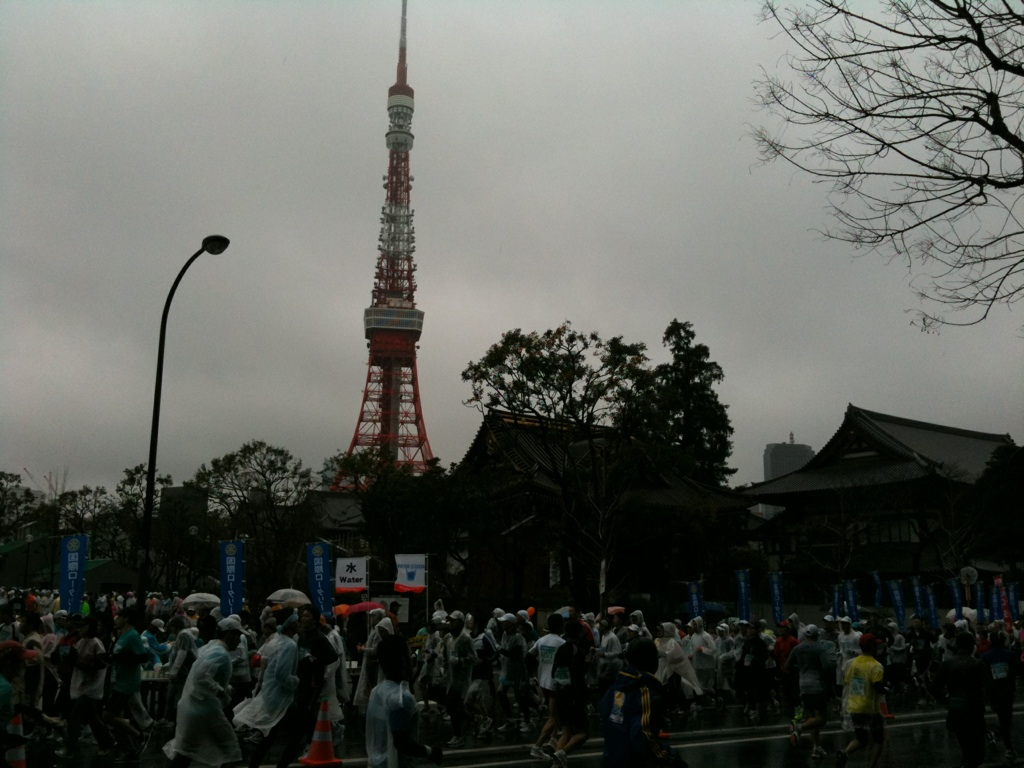
On race day, Tokyo’s streets fill with runners of all ages and backgrounds, cheered on by enthusiastic crowds lining the route. The marathon course is designed to showcase the city’s diverse neighborhoods, from the modern towers of Shinjuku to the historic temples of Asakusa and the bustling shopping streets of Ginza. While elite athletes chase records at the front, thousands of amateur runners pursue personal bests or simply the joy of finishing. Volunteers and supporters hand out water and encouragement, and the city’s efficient organization ensures a smooth experience. The event also features a wheelchair race and, in some years, a 10 km run, making it inclusive for a wide range of participants.


Joining in
To take part, runners must secure a spot through a highly competitive lottery, with hundreds of thousands applying each year. The main festivities and race start at the Tokyo Metropolitan Government Building, and the atmosphere is electric with anticipation. Even if not running, visitors can join the excitement by cheering along the course, especially at major landmarks. Expect large crowds, vibrant energy, and a city-wide sense of celebration as Tokyo welcomes runners from around the world.
Sources and attribution
This page is Mela's own summary, written in new words. Its facts are drawn from the Wikipedia article Tokyo Marathon, whose text is available under the CC BY-SA 4.0 licence, and from its Wikidata record (CC0). Each photo is credited to its author beside it. For the full account, read the originals below.
Read more
- Tokyo Marathon on WikipediaEncyclopedia
- Official websiteOfficial site
- Encyclopaedia BritannicaArticle
- More photos on Wikimedia CommonsPhotos
- Wikidata recordOpen data
This page was written with AI assistance from the sources listed above, and checked automatically before publishing. Spotted a mistake? Tell us. Last refreshed 2026-10-02.
 Cultural
 Spiritual
 Spiritual
 Sports
 Sports
 Sports
 Sports
 Sports