
Yule
A midwinter festival of feasting, oaths, and ancient northern traditions
Yule is a winter festival historically observed by Germanic pagan peoples, later blending with Christmas. Marked by feasting, ceremonial drinking, and games, it centers on the winter solstice in Northern Europe and is still celebrated by some modern pagan groups.
- Feasting and ceremonial drinking are central to Yule
- Oath-swearing and games mark the celebrations
- Tales feature supernatural visitors like trolls and draugar
- Yule traditions influenced Christmas in Northern Europe
- Still celebrated by some modern pagan groups
What it is
Yule is a midwinter festival rooted in the traditions of Germanic pagan peoples, celebrated in the darkest part of the year. It marks a time of communal gathering, feasting, and ritual, when people would come together to share food and drink, make oaths, and enjoy entertainment. The festival is closely tied to the winter solstice, symbolizing the turning of the year and the return of the sun. For many, Yule is a period of joy, reflection, and connection with both community and the supernatural, as old tales speak of spirits and beings visiting during these long nights.
Where it comes from
Yule has deep historical roots, with early records found in Gothic and Old English sources describing two 'Yule months' around the winter solstice. The festival was widespread among Germanic peoples before Christianisation, with evidence of moon-based calendars and midwinter observances. Over time, Yule merged with Christmas as Christianity spread through Northern Europe, but its original customs and meanings persist in folklore and in the practices of modern pagan groups. The name itself has ancient linguistic ties across Germanic and Finnic languages, reflecting its broad influence.
How it is celebrated
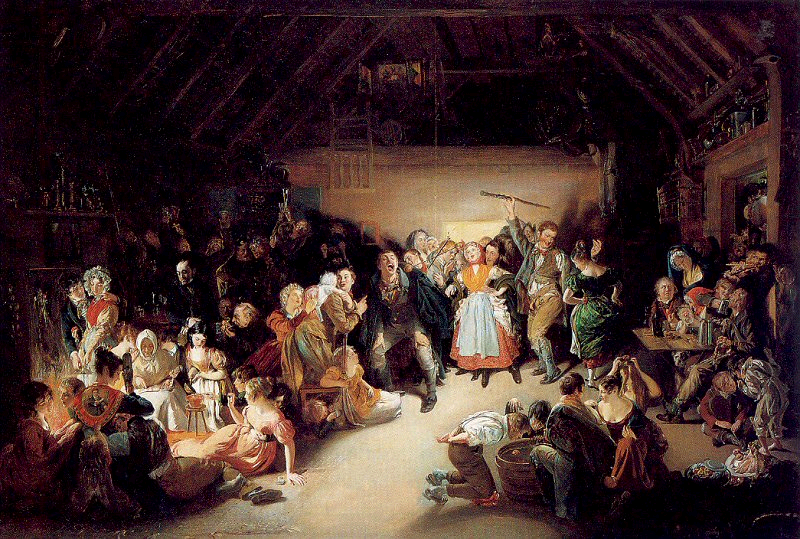
Traditional Yule celebrations centered on feasting, ceremonial drinking, and the swearing of oaths, often lasting several days. People gathered in halls or homes, sharing food and ale, and took part in games and dramatic performances. Storytelling was important, with tales of supernatural visitors—trolls, draugar, and other beings—adding a sense of mystery to the long winter nights. Some customs, like julebukking and the Wild Hunt, echo these ancient beliefs and have survived in folk traditions. Today, modern pagan groups may observe Yule with rituals that honor the old gods, light fires or candles to symbolize the return of the sun, and exchange gifts.


Joining in
Visitors interested in Yule can find echoes of its traditions in parts of Scandinavia, especially Iceland, Norway, and Sweden, where folk customs and language still reference the festival. Modern pagan communities sometimes hold open gatherings or rituals around the winter solstice, welcoming newcomers to join in feasting, storytelling, and symbolic ceremonies. Expect a warm, communal atmosphere focused on sharing, reflection, and the celebration of light in the heart of winter.
Sources and attribution
This page is Mela's own summary, written in new words. Its facts are drawn from the Wikipedia article Yule, whose text is available under the CC BY-SA 4.0 licence, and from its Wikidata record (CC0). Each photo is credited to its author beside it. For the full account, read the originals below.
Read more
This page was written with AI assistance from the sources listed above, and checked automatically before publishing. Spotted a mistake? Tell us. Last refreshed 2026-10-02.
 Cultural
 Seasonal
 Arts and film
 Spiritual
 Seasonal
 Seasonal
 Seasonal
 Seasonal