
Dongzhi Festival, also known as the Winter Solstice Festival, is a traditional celebration marking the winter solstice in Chinese culture. Observed mainly in Taiwan, China, and East Asian communities, it usually falls between December 21 and 23, bringing families together for special foods and ancestral rituals.
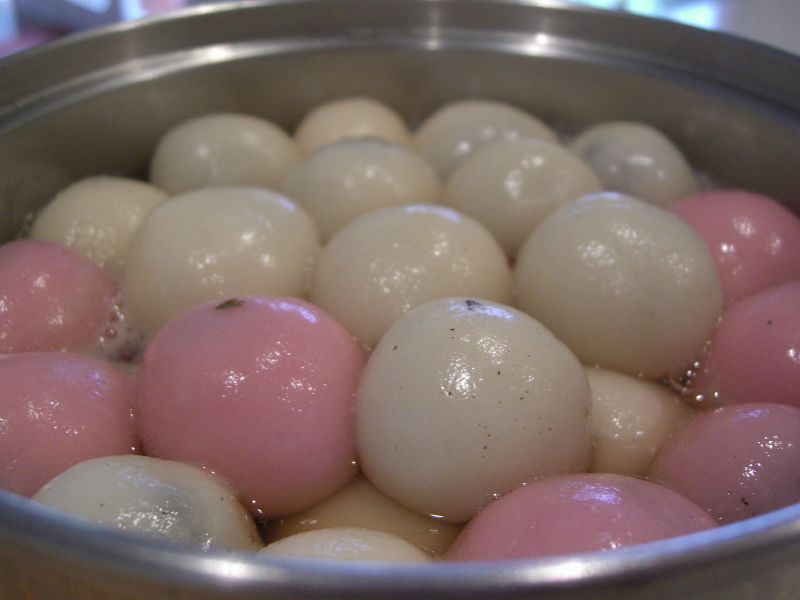
- Families gather to make and eat tangyuan, symbolizing reunion
- Ancestor worship and offerings are central to the festival
- Dumplings are eaten for warmth and good luck
- Shops may close early so families can celebrate together
- Taiwanese offer nine-layer cakes shaped like animals to ancestors
What it is
Dongzhi Festival is a cherished seasonal event marking the winter solstice, when the night is longest and daylight begins to return. Rooted in the Chinese philosophy of balance and harmony, it is seen as a turning point when positive energy (yang) starts to grow. For many, Dongzhi is a time to gather with family, honour ancestors, and reflect on the passing of the year. The festival is deeply associated with reunion, warmth, and the hope that longer days will bring renewed vitality.
Where it comes from
The origins of Dongzhi trace back to ancient China, with records of its celebration during the Zhou dynasty and its establishment as an official festival in the Han dynasty. Its timing and meaning are tied to the yin-yang philosophy, symbolizing the return of light and positive energy after the year's darkest day. Traditionally, Dongzhi was as important as the New Year, marked by rituals of ancestor worship and communal feasts. The festival’s customs have evolved but continue to reflect the importance of family, harmony, and respect for natural cycles.
How it is celebrated
Celebrations focus on family gatherings and special foods. In many regions, people make and eat tangyuan—glutinous rice balls served in sweet or savoury broth—which symbolize reunion and harmony. Dumplings are also popular, especially in northern China, with some shaped into animals or left uneaten for good luck. In Taiwan, offerings of tangyuan and nine-layer cakes shaped like auspicious animals are made to ancestors. Hot pot dishes and nourishing tonic foods, such as mutton or ginger duck, are enjoyed to ward off the winter chill. Rituals may include burning incense, ancestor worship at family shrines, and sticking tangyuan on doors as protective charms. The festival is a time to pause, reconnect, and look forward to brighter days.

Joining in
If you visit Taiwan or China during Dongzhi, expect a quieter, family-focused atmosphere. Many shops may close early, and families gather at home for festive meals. In Taiwan, you might see offerings at ancestral shrines and taste tangyuan or special hot pots in local eateries. While public festivities are not as prominent as other holidays, joining a local family or community meal is the best way to experience the warmth and meaning of Dongzhi. Respect for family traditions and ancestor rituals is central to the day.
Sources and attribution
This page is Mela's own summary, written in new words. Its facts are drawn from the Wikipedia article Dongzhi, whose text is available under the CC BY-SA 4.0 licence, and from its Wikidata record (CC0). Each photo is credited to its author beside it. For the full account, read the originals below.
Read more
This page was written with AI assistance from the sources listed above, and checked automatically before publishing. Spotted a mistake? Tell us. Last refreshed 2026-10-02.
 Sports
 Spiritual
 Cultural
 Cultural
 Seasonal
 Seasonal
 Seasonal
 Seasonal