
Bathukamma is a nine-day flower festival celebrated by Hindu women in Telangana, India, usually between September and October. Marking the beginning of the Sharath season, women gather to create vibrant floral arrangements and honor Goddess Gauri, expressing gratitude for nature and praying for family well-being.
- Nine days of floral arrangements and rituals led by women
- Bathukamma means 'Mother Goddess come Alive' in Telugu
- Each day features a unique food offering
- Celebrated mainly in Telangana, India
- Ends with the grand Saddula Bathukamma on the ninth day
What it is
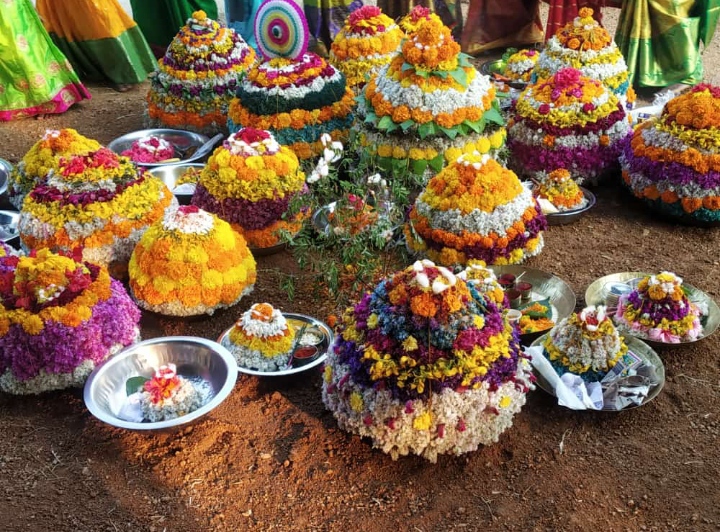
Bathukamma is a vibrant festival where women of Telangana come together to celebrate the goddess in the form of a beautiful, layered arrangement of seasonal flowers. The name means 'Mother Goddess come Alive' in Telugu, reflecting the belief that the goddess is present in the floral creation. The festival is deeply connected to the rhythms of nature, femininity, and community life, highlighting the bond between earth, water, and people. Each day of the nine-day festival has its own significance, with unique offerings and rituals that bring together families and neighborhoods.
Where it comes from
Bathukamma has roots in regional legends and local history. One story links its beginnings to the sorrow of the people of Vemulavada after the sacred Shivalinga was taken from their temple, leading them to console the goddess left behind. Other tales connect the festival to the reincarnation of Goddess Sati as Parvati, and to the victory of Goddess Durga over the demon Mahishasura. The festival also commemorates the wishes of the Chola king Dharmangada and his queen for a daughter blessed with immortality. Over time, Bathukamma has become a symbol of Telangana's cultural identity, especially after the region's movement for statehood.
How it is celebrated
Celebrations begin with women and girls gathering seasonal flowers—many with medicinal value—and arranging them in seven concentric layers, forming a temple-like shape. Brothers often bring flowers for their sisters and mothers. Women dress in traditional saris or half-sarees, adorned with jewelry, and assemble in community spaces. They place their Bathukamma arrangements at the center, moving around them in circles, singing folk songs and clapping rhythmically. Each day features a different food offering, or naivedyam, prepared and shared, with the final day—Saddula Bathukamma—being the grandest, involving all women in the family. The festival is marked by joy, music, dance, and a strong sense of togetherness.


Joining in
Visitors in Telangana during Bathukamma can witness the festival in towns and villages across the state, especially in Hyderabad and Warangal. Expect to see groups of women in colorful attire, carrying their floral creations to local gathering spots. The atmosphere is lively, with singing, dancing, and the sharing of simple, traditional foods. While the rituals are deeply rooted in local custom, respectful observers are often welcomed to watch and appreciate the artistry and spirit of the celebrations.
In the news
- Bathukamma Festival Traces Its Roots to Telangana's Kakatiya Dynasty and Queen RudramadeviThe Better India
- Telangana Dasara School Holidays 2026: Will Schools Be Closed From October 10? Check 13-Day Break, Bathukamma, Vijayadashami Dates, Full Holiday Schedule & Reopening DateThe Sunday Guardian
Sources and attribution
This page is Mela's own summary, written in new words. Its facts are drawn from the Wikipedia article Bathukamma, whose text is available under the CC BY-SA 4.0 licence, and from its Wikidata record (CC0). Each photo is credited to its author beside it, and news headlines link to their publishers. For the full account, read the originals below.
Read more
This page was written with AI assistance from the sources listed above, and checked automatically before publishing. Spotted a mistake? Tell us. Last refreshed 2026-10-02.
 Sports
 Spiritual
 Spiritual
 National days
 Spiritual
 Spiritual
 Spiritual
 Spiritual