
Budapest Pride
Hungary’s largest LGBTQ festival and pride march in Budapest
Budapest Pride is Hungary’s largest annual LGBTQ festival, held in Budapest since 1997. The week-long event features a vibrant pride march along Andrássy Avenue and a wide range of cultural activities, usually taking place in early July.
- The march follows Budapest’s Andrássy Avenue from City Park to Elizabeth Square
- Budapest Pride has been held every year since 1997
- The festival includes over 100 cultural events, from films to concerts
- The 2025 march became the largest in the festival’s history
- Events are open to all and welcome visitors
What it is
Budapest Pride is a week-long festival that stands as Hungary’s most prominent LGBTQ event. At its heart is the pride march, which brings together thousands of participants to walk along Budapest’s grand Andrássy Avenue, celebrating diversity and advocating for equality. The festival is not only a demonstration of visibility and solidarity for the LGBTQ community, but also a platform for cultural expression, dialogue, and support. For many, it is a vital moment of connection and affirmation, in a country where LGBTQ rights and acceptance have faced significant challenges.
Where it comes from
Budapest Pride began in 1997, inspired by similar pride events across Europe and the Americas. In its early years, the festival saw only limited public protest and was able to grow steadily, becoming a central event for Hungary’s LGBTQ community. Over time, it has weathered both political opposition and public hostility, especially during the late 2000s, when right-wing groups attempted to disrupt the march. Despite these challenges, Budapest Pride has persisted, adapting and expanding its program to include a wide array of cultural and community events.
How it is celebrated
While the pride march is the most visible part of Budapest Pride, the festival spans a full week and includes a diverse program of events. Attendees can take part in film screenings, panel discussions, art exhibitions, theater performances, author readings, picnics, religious gatherings, concerts, and parties. The march itself is a colorful procession, often featuring decorated trucks, music, costumes, and banners, moving from City Park to Elizabeth Square. The atmosphere is festive and defiant, with participants expressing themselves freely and celebrating their identities. Despite occasional protests, the event is marked by a strong sense of community and resilience.


Joining in
Visitors are welcome to join Budapest Pride, with the main celebrations centered in the heart of Budapest. The pride march typically follows Andrássy Avenue, making it easy to find and join the procession. Expect a lively, welcoming crowd and a packed schedule of cultural events throughout the week. While security is present, especially during the march, the overall mood is one of solidarity and celebration. It’s a chance to experience Budapest’s LGBTQ community and its allies coming together in a spirit of pride and hope.
Sources and attribution
This page is Mela's own summary, written in new words. Its facts are drawn from the Wikipedia article Budapest Pride, whose text is available under the CC BY-SA 4.0 licence, and from its Wikidata record (CC0). Each photo is credited to its author beside it. For the full account, read the originals below.
Read more
- Budapest Pride on WikipediaEncyclopedia
- Official websiteOfficial site
- More photos on Wikimedia CommonsPhotos
- Wikidata recordOpen data
This page was written with AI assistance from the sources listed above, and checked automatically before publishing. Spotted a mistake? Tell us. Last refreshed 2026-10-02.
 Spiritual
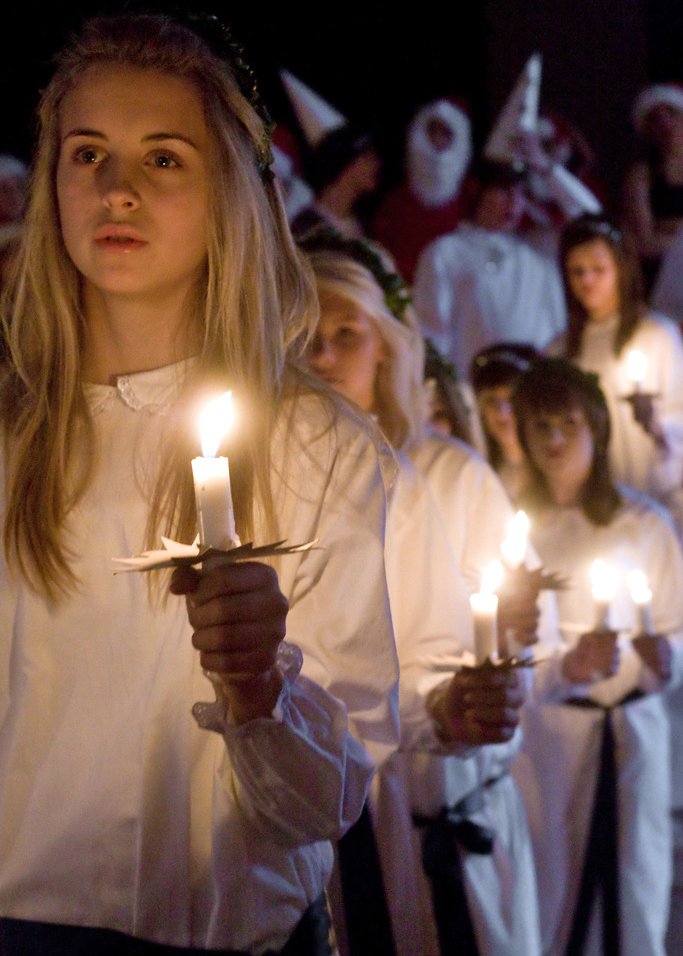 Spiritual
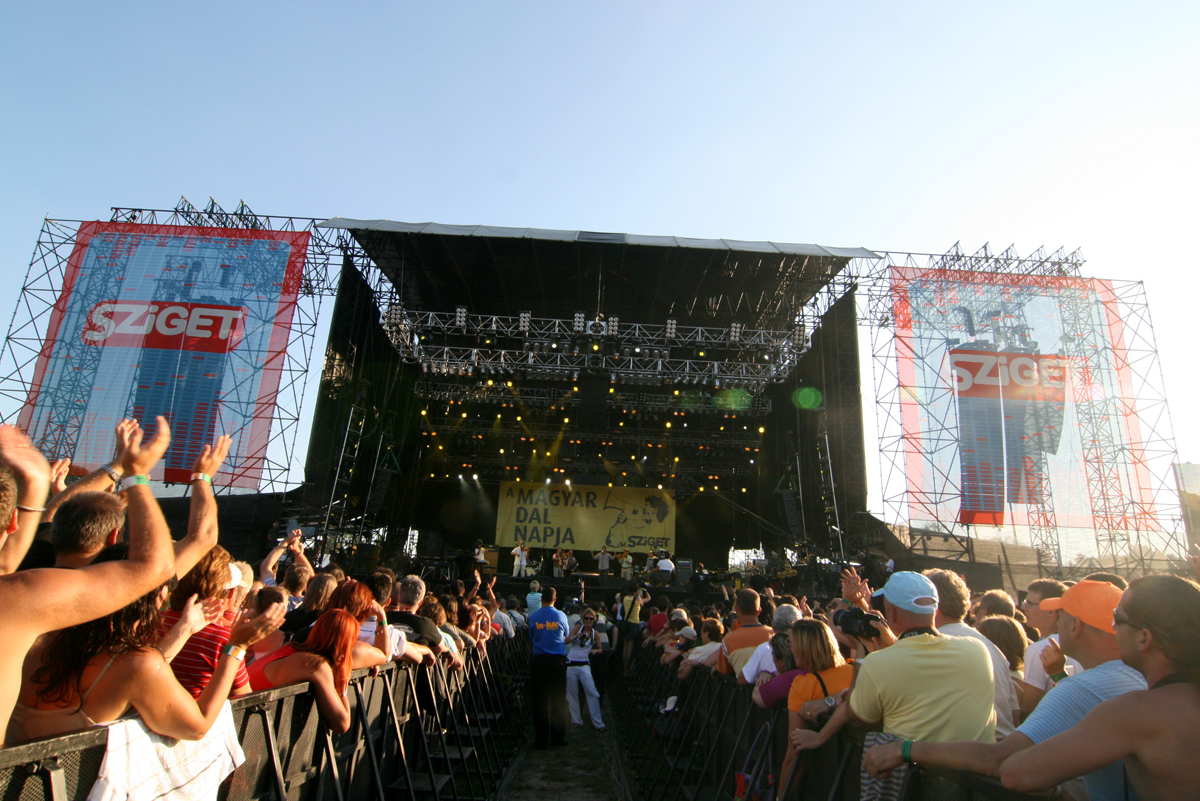 Music
Music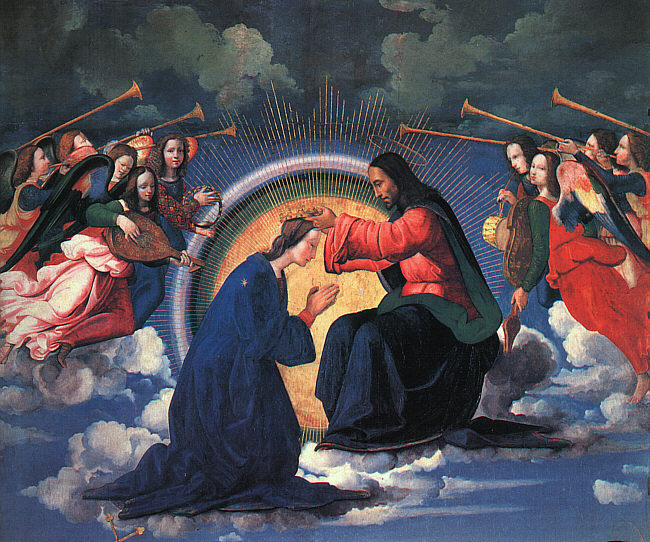 Spiritual
 Cultural
 Cultural
 Cultural
 Cultural