
Carnival of São Paulo
São Paulo’s grand celebration of samba, rhythm, and community spirit
The Carnival of São Paulo is a major cultural event held annually in São Paulo, Brazil, featuring vibrant parades of samba schools at the Anhembi Sambadrome. Taking place on the Friday and Saturday nights of Carnival week, it is recognized as one of Brazil’s most important popular celebrations.
- Grand samba school parades at the Anhembi Sambadrome
- Recognized as Cultural Heritage of Brazil
- Distinctive São Paulo samba rhythms and traditions
- Celebrations rooted in working-class and immigrant culture
- Vivid costumes, music, and dance fill the city
What it is
The Carnival of São Paulo is a dazzling annual celebration that brings together samba schools, musicians, dancers, and communities in a vibrant display of music and movement. Held at the Anhembi Sambadrome, it stands as one of Brazil’s largest and most significant cultural events, recognized as both Cultural Heritage of Brazil and Intangible Heritage of the state. The festival is a time when the city’s diverse population comes together to honor the rhythms and traditions of samba, shaped by the stories and struggles of São Paulo’s working-class and immigrant communities. The event is a living testament to the city’s spirit, resilience, and creativity.
Where it comes from
Carnival’s roots in São Paulo trace back to a 15th-century tradition of playful games involving water and liquids. Over centuries, the celebration evolved, shaped by waves of migration from the countryside and the impact of the coffee sector crisis. The first official parade in São Paulo was promoted by the municipal government in 1885, featuring cordões—community groups that laid the foundation for the city’s unique samba style. Despite early marginalization and police repression, samba and Carnival became powerful expressions of Black and working-class culture, gradually gaining recognition and support from the city and broader Brazilian society.
How it is celebrated
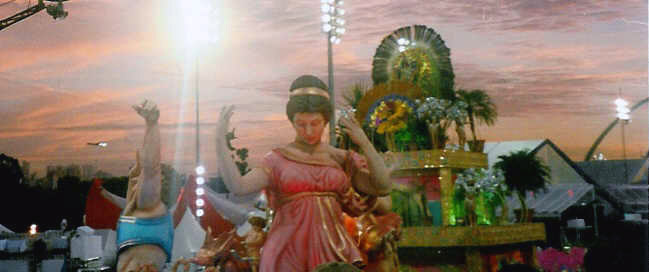
The heart of the Carnival of São Paulo is the parade of samba schools at the Anhembi Sambadrome, where each group presents elaborate costumes, floats, and choreography set to the driving rhythms of São Paulo samba. The music is marked by a distinctive tempo and percussive energy, influenced by traditions such as jongo-macumba. Performers and spectators alike are swept up in the spectacle, with samba schools competing for honors and showcasing months of preparation. The celebration spills into the city’s neighborhoods, where blocos (street bands) and cordões gather for music, dance, and communal festivities. The event is a sensory feast of color, sound, and movement, reflecting the city’s diverse heritage.



Joining in
Visitors to São Paulo during Carnival can experience the main festivities at the Anhembi Sambadrome, where tickets grant access to the grand parades on Friday and Saturday nights. The atmosphere is electric, with crowds cheering on their favorite samba schools and joining in the rhythms. Beyond the Sambadrome, the city’s streets come alive with informal gatherings, music, and dance, offering a more spontaneous way to join the celebration. Expect lively crowds, vibrant costumes, and a warm sense of community as São Paulo opens its arms to all who wish to take part.
Sources and attribution
This page is Mela's own summary, written in new words. Its facts are drawn from the Wikipedia article Carnival of São Paulo, whose text is available under the CC BY-SA 4.0 licence, and from its Wikidata record (CC0). Each photo is credited to its author beside it. For the full account, read the originals below.
Read more
This page was written with AI assistance from the sources listed above, and checked automatically before publishing. Spotted a mistake? Tell us. Last refreshed 2026-10-02.
 Cultural
 Spiritual
 Sports
 Cultural
 Cultural
 Cultural
 Cultural
 Cultural