Falles
Valencia’s fiery celebration of art, satire, and community spirit
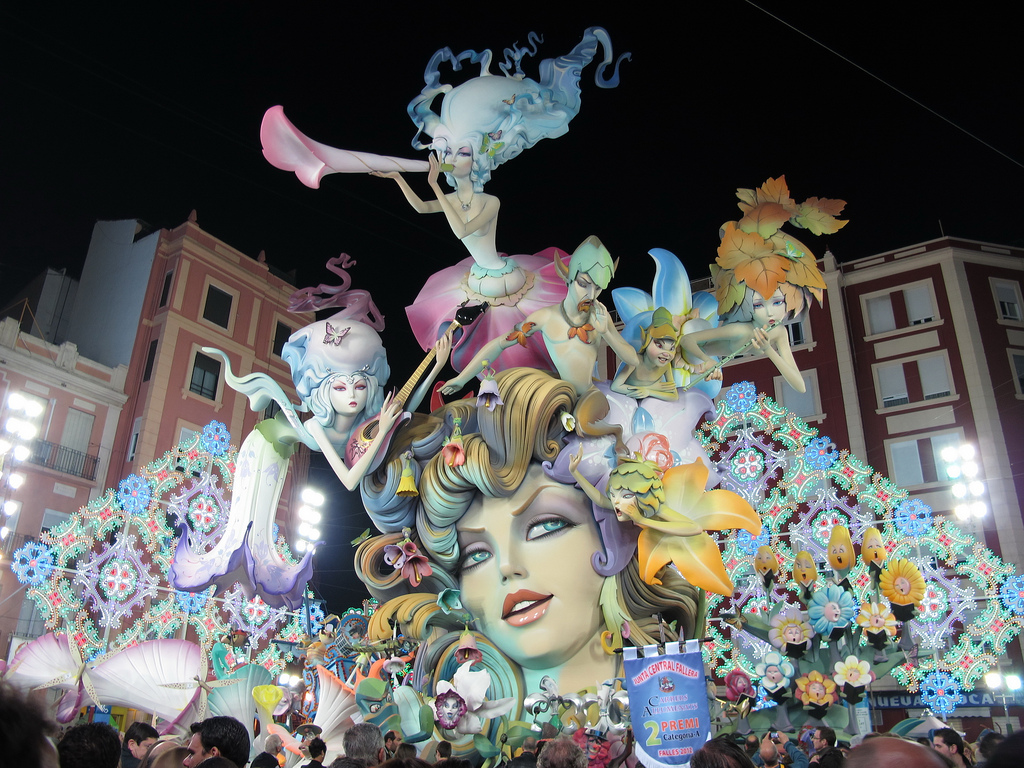
Falles is a vibrant annual festival held in Valencia, Spain, from 15 to 19 March. Neighbourhood groups create towering satirical monuments, which are paraded, displayed, and ultimately set alight in a dramatic finale, filling the city with music, fireworks, and tradition.
- Over 400 neighbourhood groups create and burn giant satirical monuments
- The Mascletà firecracker show takes place daily from 1 to 19 March
- A floral offering covers a giant statue of the Virgin Mary in blossoms
- One ninot is saved each year by popular vote and kept in a museum
- UNESCO listed Falles as intangible cultural heritage in 2016
What it is
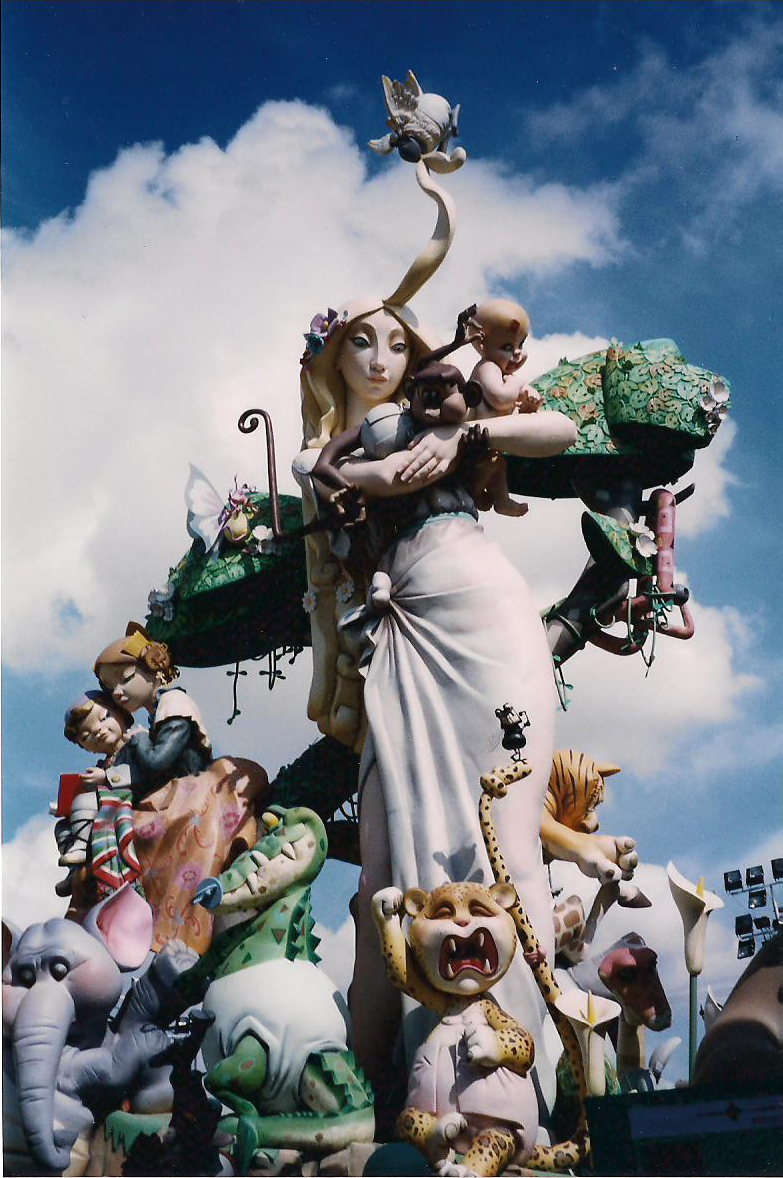
Falles is the most important festival in Valencia, Spain, transforming the city into a living gallery of art, satire, and tradition each March. Neighbourhood groups, known as commissions, spend months preparing elaborate monuments—called fallas—made from wood, papier-mâché, and other materials. These monuments, often satirical and whimsical, are displayed in the streets before being burned in a spectacular act of renewal and celebration. The festival is a time for Valencians to come together, honour their patron saint, and celebrate their unique identity with music, food, and fire.
Where it comes from
The name 'Falles' comes from the Valencian word for torch, tracing its roots back to the Latin 'fax.' The festival is linked to Saint Joseph’s Day, the patron saint of Valencia, and has evolved from simple bonfires into a major cultural event. Over time, the tradition of burning old materials grew into the creation of elaborate artistic monuments, each reflecting the concerns and humour of the community. The festival’s satirical spirit and craftsmanship have made it a key part of Valencia’s cultural heritage, earning recognition from UNESCO in 2016.
How it is celebrated
Celebrations begin with daily wake-up calls (La Despertà), as brass bands and firecrackers fill the morning air. Each day at 2 pm, the Mascletà—a thunderous firecracker display—draws crowds to the city’s main square. Neighbourhood commissions parade their ninots (figures) and assemble their fallas, which are judged for artistry and wit. The Exposició del Ninot allows one figure to be saved from burning by popular vote. On 17 and 18 March, a floral offering is made to the Virgin Mary, covering her statue in blossoms. Each night features grand firework displays, culminating in La Nit del Foc, and on 19 March, the festival ends with the burning of the fallas in a dramatic, citywide blaze.



Joining in
Visitors to Valencia during Falles can expect lively streets, music, and the constant crackle of fireworks. The main celebrations are centered in the city, especially around the Plaça de l'Ajuntament and the historic old town. Travellers can wander among the towering fallas, watch parades in traditional dress, and sample local dishes like paella at community gatherings. The atmosphere is festive and welcoming, but be prepared for noise and crowds, especially during the nightly fireworks and the final burning of the monuments.
Sources and attribution
This page is Mela's own summary, written in new words. Its facts are drawn from the Wikipedia article Fallas, whose text is available under the CC BY-SA 4.0 licence, and from its Wikidata record (CC0). Each photo is credited to its author beside it. For the full account, read the originals below.
Read more
- Fallas on WikipediaEncyclopedia
- UNESCO Intangible Cultural HeritageArticle
- More photos on Wikimedia CommonsPhotos
- Wikidata recordOpen data
This page was written with AI assistance from the sources listed above, and checked automatically before publishing. Spotted a mistake? Tell us. Last refreshed 2026-10-02.
 Spiritual
 Sports
 Cultural
 Spiritual
 Cultural
 Cultural
 Cultural
 Cultural