
Gangneung Danoje
A 47-day celebration blending shamanic rites and tradition in Gangneung
Gangneung Danoje is a major annual festival in Gangneung, South Korea, held for 47 days in the spring according to the Korean lunar calendar. Celebrated with a blend of shamanic, Confucian, and folk traditions, it centers on rituals to honor local gods and features processions, performances, and markets.
- Held for 47 days each spring in Gangneung
- Features shamanic and Confucian rituals to honor local gods
- Includes processions, mask plays, and traditional games
- Concludes with a large bonfire and ritual offerings
- Recognized by UNESCO as Intangible Cultural Heritage
What it is
Gangneung Danoje is the largest festival in Gangneung, South Korea, and is recognized as a National Intangible Cultural Heritage and a UNESCO-listed event. Its heart lies in rituals to honor and appease local deities, seeking their blessings for the community. The festival weaves together shamanic, Confucian, and Buddhist elements, reflecting the region’s spiritual and cultural history. For locals, it is a time of pride, community, and connection to ancestral traditions, with each stage of the festival reinforcing ties between people, place, and the spirits believed to watch over them.
Where it comes from
The exact origins of Gangneung Danoje are uncertain, but records show it is at least 400 years old, with possible roots in rituals over a millennium ago. The festival survived suppression during the Japanese colonial period (1910–1945), when many Korean traditions were discouraged. After the Korean War, local efforts and scholarly research revived and reconstructed the festival’s original practices. Since the late 20th century, Gangneung Danoje has gained national and international recognition, becoming a symbol of cultural resilience and pride for the city.
How it is celebrated
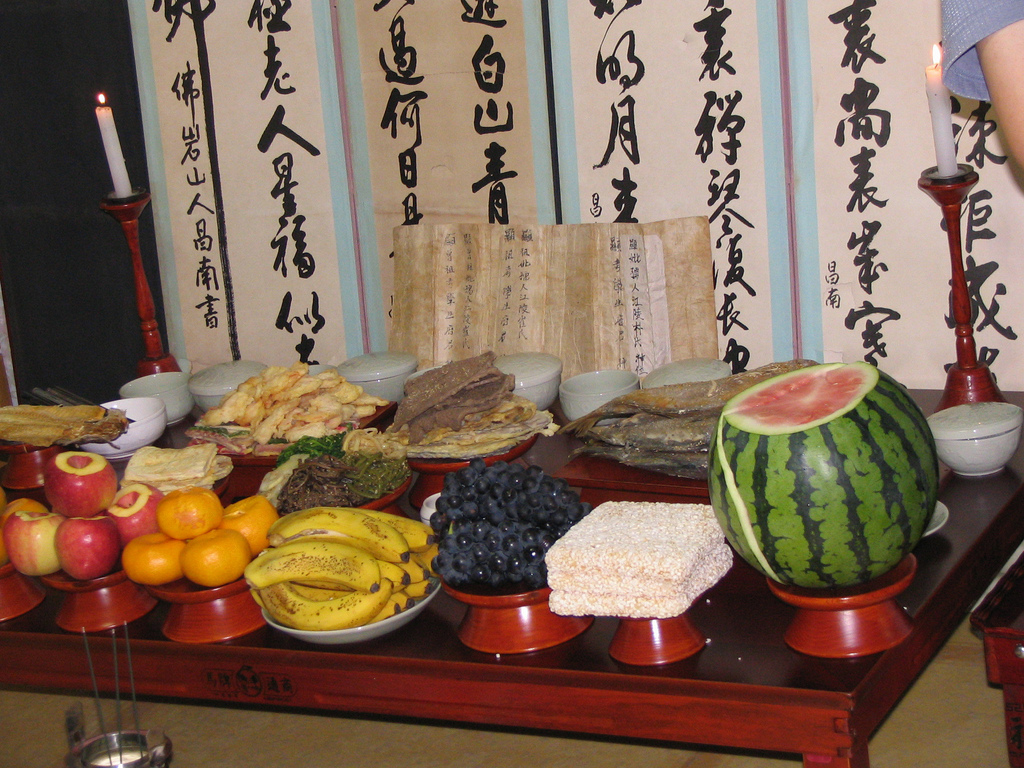
Gangneung Danoje unfolds in several stages, beginning with the ceremonial brewing of rice liquor, where community members donate rice and city officials lead offerings to the gods. Rituals for the mountain and guardian gods follow, involving Confucian rites, shamanic music, and dance at mountain shrines. A dramatic procession with sacred objects winds through the city and surrounding villages, culminating in a symbolic marriage of local deities and a 15-day honeymoon period. The main festival days are filled with shamanic rituals, mask plays, traditional games like wrestling and swing contests, and lively outdoor markets selling food and drink. Each day starts with morning rituals, and the festival ends with a Confucian closing ceremony and a large bonfire, returning ritual objects to the spirits.


Joining in
Visitors to Gangneung during Danoje can expect a vibrant, immersive experience centered around the city’s shrines and the main festival grounds, Danojang. The streets come alive with processions, music, and performances, while markets offer a taste of local food and festive atmosphere. Audiences are welcome to observe shamanic rituals, enjoy traditional games, and watch mask plays. The festival is a unique opportunity to witness living heritage and the deep community spirit of Gangneung.
Sources and attribution
This page is Mela's own summary, written in new words. Its facts are drawn from the Wikipedia article Gangneung Danoje, whose text is available under the CC BY-SA 4.0 licence, and from its Wikidata record (CC0). Each photo is credited to its author beside it. For the full account, read the originals below.
Read more
- Gangneung Danoje on WikipediaEncyclopedia
- UNESCO Intangible Cultural HeritageArticle
- More photos on Wikimedia CommonsPhotos
- Wikidata recordOpen data
This page was written with AI assistance from the sources listed above, and checked automatically before publishing. Spotted a mistake? Tell us. Last refreshed 2026-10-02.
 Cultural
 National days
 Seasonal
 Cultural
 Cultural
 Cultural
 Cultural
 Cultural