
Gion Festival
Kyoto’s month-long celebration of purification and tradition
The Gion Festival is one of Japan’s largest and most renowned festivals, held every July in Kyoto. Centered around Yasaka Shrine and Kyoto’s downtown, it features elaborate float processions, Shinto rituals, and vibrant street celebrations throughout the month.
- Two grand float processions on July 17 and 24
- Floats can reach up to 27 meters tall and weigh 12 tons
- Yoiyama nights fill downtown Kyoto with food stalls and music
- Portable shrines are carried to purify city neighborhoods
- Some traditional homes open to display family heirlooms
What it is
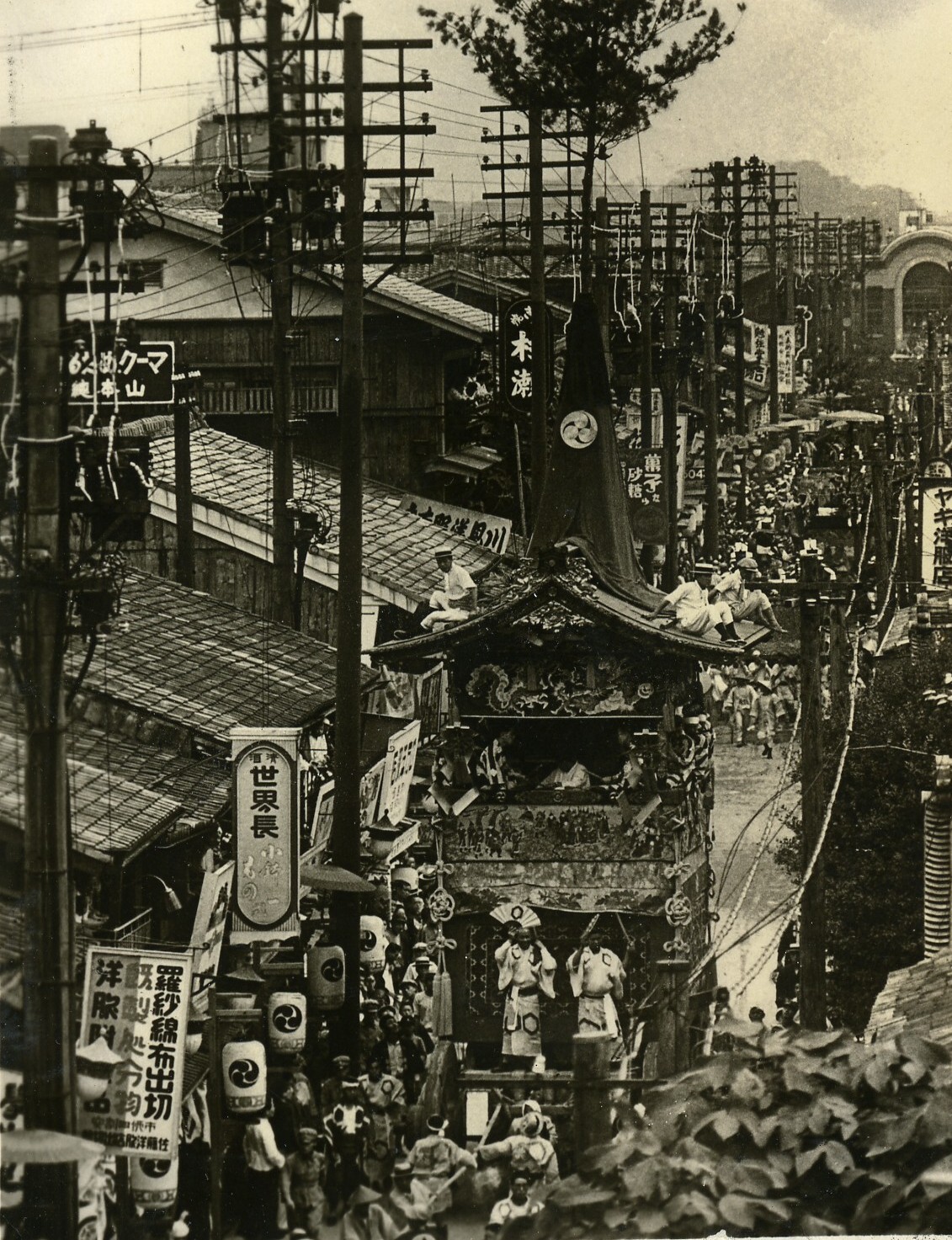
The Gion Festival is a centuries-old Shinto celebration that fills Kyoto with color, sound, and tradition each July. Originally intended to purify the city and appease disease-causing spirits, it has grown into a month-long series of rituals and public events. The highlight is the Yamaboko Junkō, two grand processions of ornate floats that wind through central Kyoto. For locals, the festival is both a spiritual observance and a cherished symbol of community identity, bringing together neighborhoods to maintain and parade their historic floats.
Where it comes from
The festival began in 869, during a time of plague, as a purification ritual ordered by Emperor Seiwa. Sixty-six decorated halberds were erected, representing each province of Japan, and portable shrines from Yasaka Shrine were carried in procession to appease vengeful spirits. Over the centuries, the festival became an annual event, surviving wars and political changes. The floats themselves, some centuries old, are maintained by local associations and often feature textiles from Kyoto’s renowned Nishijin weaving district. The festival’s rituals and processions reflect a blend of Shinto, Buddhist, and folk traditions.
How it is celebrated
Celebrations span the entire month of July, with a packed schedule of rituals, float-building, and parades. The most famous events are the two Yamaboko Junkō float processions on July 17 and 24, featuring towering hoko and smaller yama floats adorned with tapestries and carrying musicians. In the evenings leading up to each procession, the downtown streets become pedestrian zones for yoiyama nights, where food stalls offer yakitori, takoyaki, and sweets, and traditional homes display heirlooms in the Folding Screen Festival. Portable shrines (mikoshi) are carried through neighborhoods, believed to purify the city. The festival closes with rituals at Yasaka Shrine.



Joining in
Visitors can experience the heart of Gion Festival in central Kyoto, especially around Yasaka Shrine and the downtown area. The yoiyama evenings are lively and welcoming, with open streets, illuminated floats, and local delicacies. Watching the float processions is a highlight, but exploring the side streets reveals smaller ceremonies and the hospitality of local communities. Expect large crowds, festive music, and a sense of shared celebration that draws both locals and travelers into Kyoto’s living tradition.
Sources and attribution
This page is Mela's own summary, written in new words. Its facts are drawn from the Wikipedia article Gion Matsuri, whose text is available under the CC BY-SA 4.0 licence, and from its Wikidata record (CC0). Each photo is credited to its author beside it. For the full account, read the originals below.
Read more
- Gion Matsuri on WikipediaEncyclopedia
- Official websiteOfficial site
- Encyclopaedia BritannicaArticle
- UNESCO Intangible Cultural HeritageArticle
- More photos on Wikimedia CommonsPhotos
- Wikidata recordOpen data
This page was written with AI assistance from the sources listed above, and checked automatically before publishing. Spotted a mistake? Tell us. Last refreshed 2026-10-02.
 Cultural
 Spiritual
 Spiritual
 Sports
 Spiritual
 Spiritual
 Spiritual
 Spiritual