
Tanabata, or the Star Festival, is a Japanese celebration rooted in legend, marking the reunion of two star-crossed deities, Orihime and Hikoboshi. The festival is observed across Japan, with festivities typically falling between early July and late August, depending on the region.
- Wishes are written on colorful paper strips called tanzaku
- Sendai hosts the most famous Tanabata festival in early August
- The festival celebrates the meeting of the stars Vega and Altair
- Decorated bamboo branches are a central feature
- Dates vary by region, from July to August
What it is
Tanabata is a cherished Japanese festival that honors the once-a-year meeting of Orihime and Hikoboshi, deities symbolized by the stars Vega and Altair. According to tradition, the Milky Way separates these lovers, allowing them to reunite only on the seventh day of the seventh lunar month. The festival is a time for people to express their hopes and dreams, often by writing wishes on colorful strips of paper and displaying them on bamboo branches. Streets and shopping arcades come alive with decorations, and communities gather to celebrate this story of longing and reunion.
Where it comes from
Tanabata traces its roots to the Chinese Qixi Festival and was introduced to Japan in the 8th century by Empress Kōken. Over time, it blended with local traditions, including a Shinto ritual where woven cloth was offered for a good harvest. By the Edo period, Tanabata had become popular among the wider public, merging with Obon customs and evolving into the festival known today. The story of Orihime and Hikoboshi, inspired by Chinese folklore, became central, and the practice of making wishes on tanzaku paper emerged as a key custom.
How it is celebrated
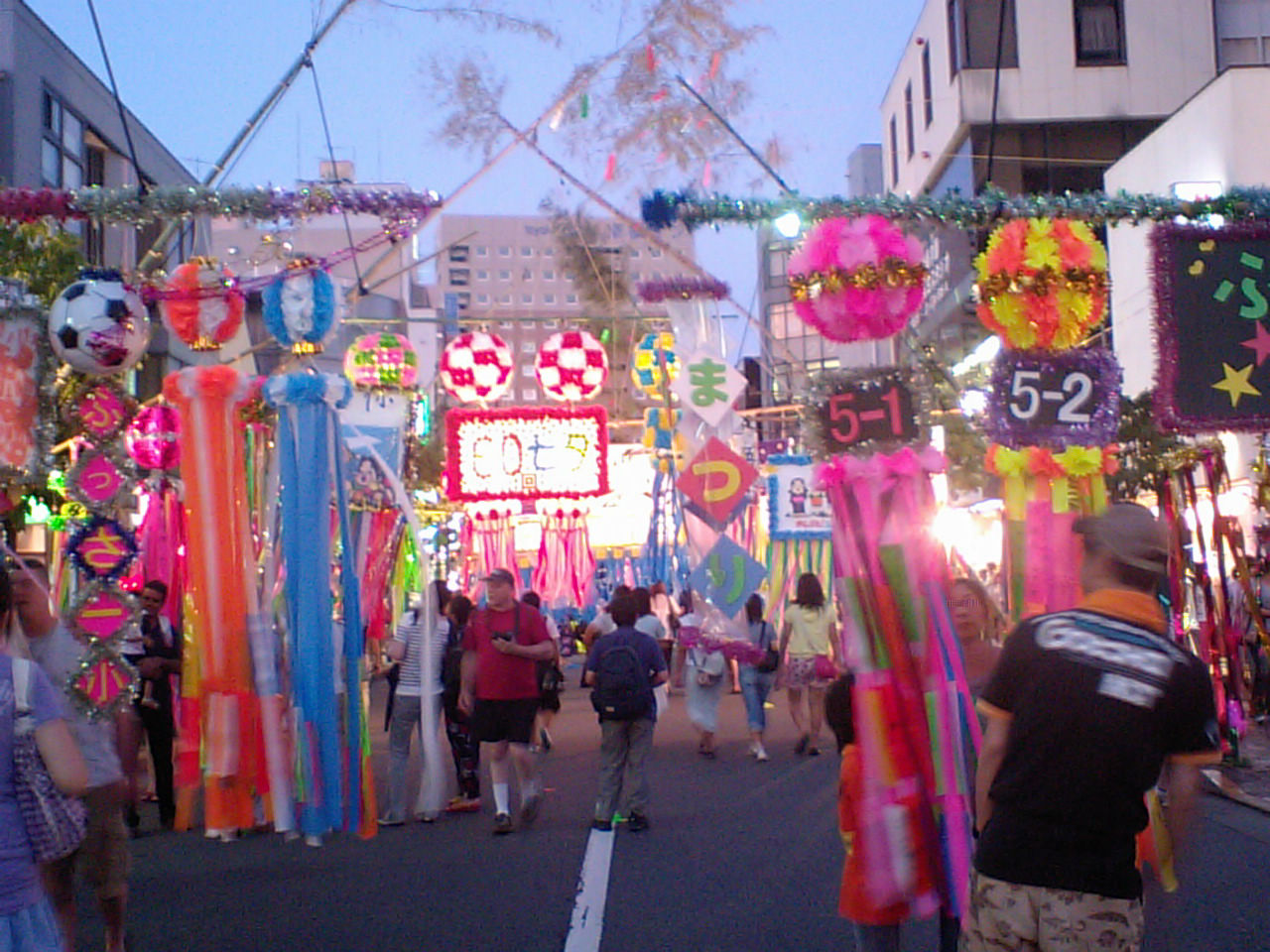
During Tanabata, people write their wishes—sometimes as poems—on small, colorful paper strips called tanzaku and hang them on bamboo branches. These displays often appear in homes, schools, and public spaces. Many towns and cities host lively festivals, with streets adorned in bright streamers and elaborate decorations. In some places, participants dress in summer yukata and join parades or enjoy music and dance performances. Food stalls line the festival routes, offering seasonal treats. The atmosphere is festive yet reflective, as people look to the sky and hope for clear weather, so the legendary lovers can meet.



Joining in
Visitors can experience Tanabata in many parts of Japan, but some of the largest celebrations take place in Sendai (August 6–8), Hiratsuka (around July 7), and Asagaya in Tokyo. Expect vibrant decorations, bustling crowds, and a welcoming spirit. Joining in is as simple as writing your own wish on a tanzaku and adding it to a bamboo display. Whether you wander through illuminated streets or watch local performances, Tanabata offers a glimpse into Japanese tradition and the universal hope for dreams to come true.
Sources and attribution
This page is Mela's own summary, written in new words. Its facts are drawn from the Wikipedia article Tanabata, whose text is available under the CC BY-SA 4.0 licence, and from its Wikidata record (CC0). Each photo is credited to its author beside it. For the full account, read the originals below.
Read more
- Tanabata on WikipediaEncyclopedia
- Encyclopaedia BritannicaArticle
- More photos on Wikimedia CommonsPhotos
- Wikidata recordOpen data
This page was written with AI assistance from the sources listed above, and checked automatically before publishing. Spotted a mistake? Tell us. Last refreshed 2026-10-03.
 Cultural
 Spiritual
 Spiritual
 Sports
 Spiritual
 Spiritual
 Spiritual
 Spiritual