
Hornbill Festival
A vibrant gathering of Nagaland’s tribes in celebration of culture and tradition
The Hornbill Festival is an annual cultural event held from 1 to 10 December in Nagaland, India. Bringing together all the state’s ethnic groups, it showcases Naga heritage through music, dance, food, crafts, and traditional sports at Kisama Heritage Village near Kohima.
- Held annually from 1 to 10 December in Nagaland, India
- Main venue is Kisama Heritage Village near Kohima
- Features Naga folk dances, songs, and traditional sports
- Includes the Hornbill International Rock Festival
- Showcases arts, crafts, and ethnic cuisine
What it is
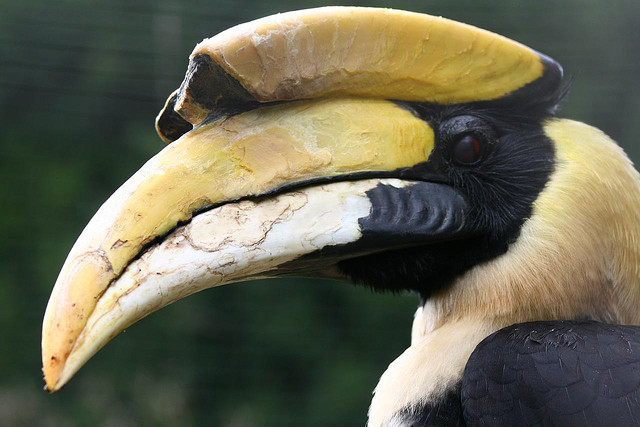
The Hornbill Festival is a major cultural gathering in Nagaland, northeastern India, celebrated each December. Known as the 'Festival of Festivals,' it brings together all the state's ethnic groups, offering a vivid display of their customs, music, dances, and crafts. The festival is named after the hornbill, a bird revered in Naga folklore and often featured in their stories and traditions. For many, the event is a way to preserve and share their unique heritage, while also fostering unity among the diverse Naga communities.
Where it comes from
Nagaland is home to several ethnic groups, each with its own festivals, many of which are linked to agriculture. Recognizing the importance of these traditions, the Government of Nagaland initiated the Hornbill Festival in December 2000 to encourage inter-ethnic interaction and promote the state’s cultural heritage. By bringing together the many Naga tribes in one celebration, the festival aims to revive and protect their rich traditions and to present them to a wider audience.
How it is celebrated
The Hornbill Festival is held mainly at Kisama Heritage Village, about 12 km from Kohima, and is organized by the state’s Department of Tourism and Department of Art & Culture. Over ten days, visitors can experience a blend of cultural performances, including folk songs, traditional dances, and indigenous games. The festival features exhibitions of traditional Naga Morungs, arts and crafts sales, food fairs, herbal medicine stalls, and flower shows. Highlights include the Miss Nagaland beauty contest, Naga wrestling, archery, and the Hornbill International Rock Festival, where local and international bands perform. Artisans display paintings, wood carvings, and sculptures, and evenings are filled with music concerts, making the festival a lively and immersive experience.


Joining in
Visitors are welcomed at Kisama Heritage Village, the main venue for the Hornbill Festival, just outside Kohima in Nagaland. Expect a bustling atmosphere with colourful performances, food stalls, and craft markets. It’s a unique opportunity to interact with people from different Naga tribes, taste local cuisine, and watch traditional sports and music events. The festival offers a close look at the region’s vibrant culture and is accessible to travellers interested in learning about Nagaland’s heritage.
Sources and attribution
This page is Mela's own summary, written in new words. Its facts are drawn from the Wikipedia article Hornbill Festival, whose text is available under the CC BY-SA 4.0 licence, and from its Wikidata record (CC0). Each photo is credited to its author beside it. For the full account, read the originals below.
Read more
- Hornbill Festival on WikipediaEncyclopedia
- Official websiteOfficial site
- More photos on Wikimedia CommonsPhotos
- Wikidata recordOpen data
This page was written with AI assistance from the sources listed above, and checked automatically before publishing. Spotted a mistake? Tell us. Last refreshed 2026-10-02.
 Sports
 Spiritual
 Spiritual
 National days
 Cultural
 Cultural
 Cultural
 Cultural