
Krampusnacht is celebrated on the night of 5 December in Alpine regions such as Austria, Germany, and Slovenia. On this night, the horned figure Krampus appears, often alongside St. Nicholas, to visit children and take part in lively parades and street processions.
- Krampusnacht takes place on 5 December, before St. Nicholas Day
- Krampus is depicted as a horned, hairy figure with a long tongue
- Traditional Krampus runs feature costumed parades and playful scares
- Krampuskarten greeting cards have been exchanged since the 19th century
- Golden birch twigs are displayed in homes as a reminder of Krampus
What it is
Krampusnacht, or Krampus Night, is a winter tradition in the Central and Eastern Alps where the fearsome, horned figure of Krampus accompanies St. Nicholas on his visits to children. While St. Nicholas rewards the well-behaved, Krampus is said to punish naughty children with birch rods or coal. The festival blends Christian and older folkloric elements, and is marked by costumed processions and playful scares. For many communities, Krampusnacht is both a warning and a celebration, bringing together families and neighbors in a unique mix of fright and festivity.
Where it comes from
The origins of Krampus are debated. Some folklorists suggest pre-Christian roots, but historical records only mention Krampus from the 16th century onward. The figure became closely linked with St. Nicholas in the 17th century, serving as his dark counterpart responsible for punishing misbehaving children. Over time, Krampus was incorporated into local winter traditions across the Alps, blending older animal-masked devil figures with Christian customs. The tradition faced bans and criticism in the 20th century, but has since seen a revival and is now celebrated openly in many Alpine towns.
How it is celebrated
On the evening of 5 December, towns and villages across Austria, Germany, Slovenia, and neighboring regions come alive with Krampus runs, or Krampusläufe. Young men dress in elaborate, often hand-carved wooden masks, shaggy costumes, and horns to become Krampus. They parade through the streets, rattling chains, ringing bells, and swatting at onlookers with birch rods. St. Nicholas, dressed in bishop’s vestments, often leads the procession, handing out small gifts to good children. In some places, families display golden birch twigs year-round as a reminder of Krampus. Greeting cards featuring Krampus, called Krampuskarten, are exchanged, and a strong fruit brandy known as Krampus schnapps is sometimes offered. The atmosphere is both festive and mischievous, with a blend of humor and fright.


Joining in
Visitors can experience Krampusnacht in many Alpine towns, with notable celebrations in Austria’s Salzburg and Styrian regions, as well as parts of southern Germany and Slovenia. Expect lively street parades, costumed performers, and a playful yet eerie atmosphere. While the Krampus may seem intimidating, the event is a community celebration, and tourists are welcome to watch the processions, enjoy local treats, and even collect Krampuskarten as souvenirs. In larger cities, the celebrations are often more family-friendly and less intense than in rural villages.
Sources and attribution
This page is Mela's own summary, written in new words. Its facts are drawn from the Wikipedia article Krampus, whose text is available under the CC BY-SA 4.0 licence, and from its Wikidata record (CC0). Each photo is credited to its author beside it. For the full account, read the originals below.
Read more
- Krampus on WikipediaEncyclopedia
- Encyclopaedia BritannicaArticle
- More photos on Wikimedia CommonsPhotos
- Wikidata recordOpen data
This page was written with AI assistance from the sources listed above, and checked automatically before publishing. Spotted a mistake? Tell us. Last refreshed 2026-10-02.
More cultural celebrations
See them all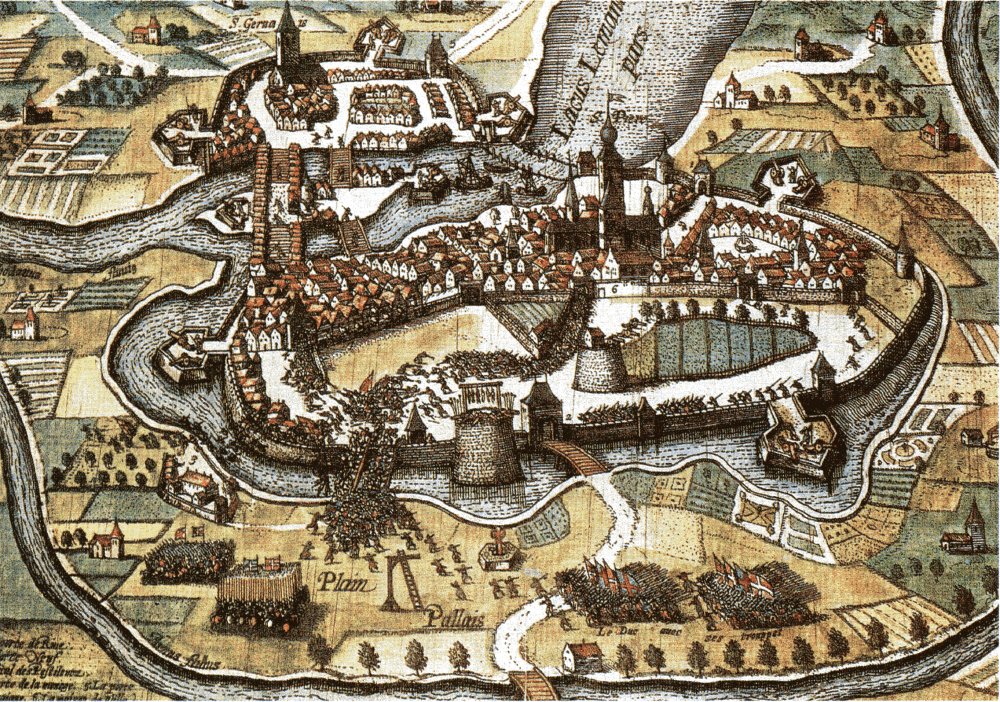 Cultural
Decvaries
L'Escalade🇨🇭 Geneva, Switzerland
Cultural
Decvaries
L'Escalade🇨🇭 Geneva, Switzerland
 Cultural
1Dec
Hornbill Festival🇮🇳 Kohima, IndiaIn 8 weeks
Cultural
1Dec
Hornbill Festival🇮🇳 Kohima, IndiaIn 8 weeks
 Cultural
Decvaries
Junkanoo🇧🇸 Nassau, The Bahamas and 2 more countries
Cultural
Decvaries
Junkanoo🇧🇸 Nassau, The Bahamas and 2 more countries
 Cultural
Decvaries
Kwanzaa🇺🇸 United States and 5 more countries
Cultural
Decvaries
Kwanzaa🇺🇸 United States and 5 more countries
 Cultural
Decvaries
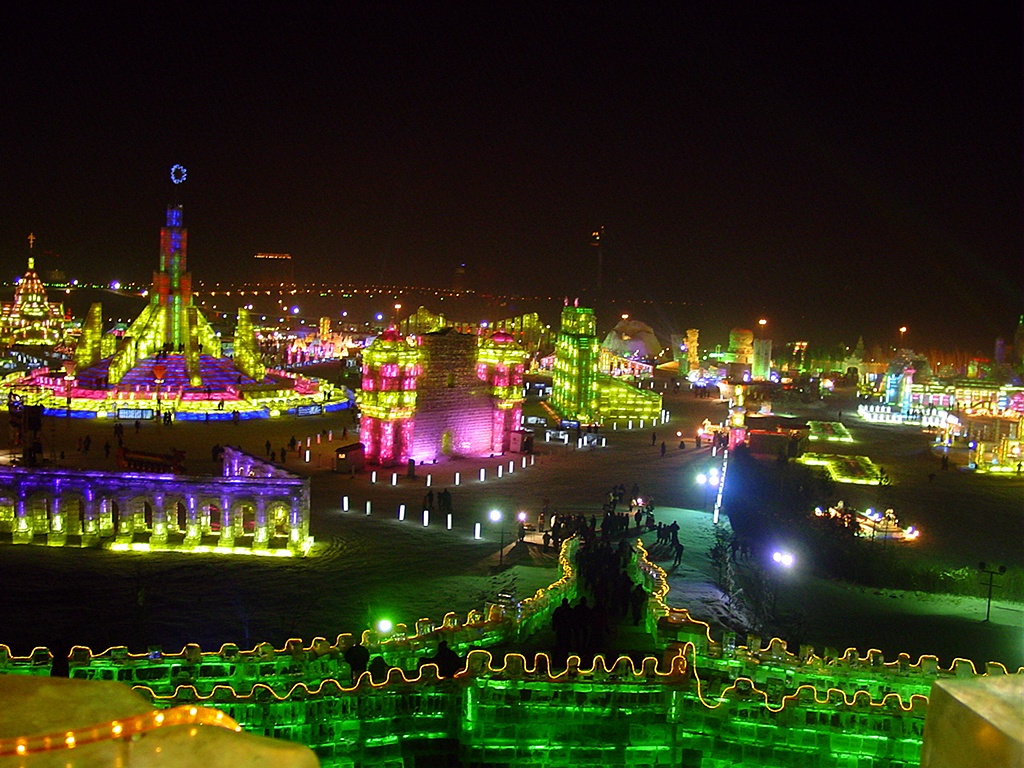
Harbin International Ice and Snow Sculpture Festival🇨🇳 Harbin, China
Cultural
Decvaries
Harbin International Ice and Snow Sculpture Festival🇨🇳 Harbin, China
 Cultural
Decvaries
Festival of Lights🇫🇷 Lyon, France
Cultural
Decvaries
Festival of Lights🇫🇷 Lyon, France
 Cultural
4Dec
CCXP🇧🇷 São Paulo, Brazil and 2 more countriesIn 9 weeks
Cultural
4Dec
CCXP🇧🇷 São Paulo, Brazil and 2 more countriesIn 9 weeks
 Cultural
Decvaries
Kobe Luminarie🇯🇵 Kobe, Japan
Cultural
Decvaries
Kobe Luminarie🇯🇵 Kobe, Japan