L'Escalade
Geneva’s spirited commemoration of its 1602 victory over invaders
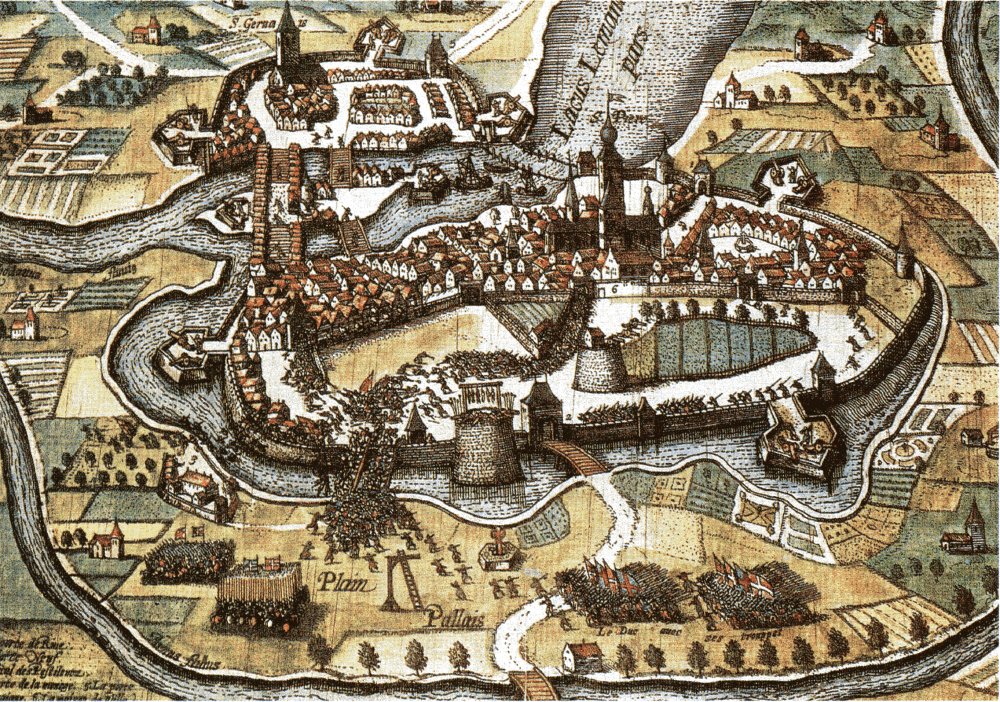
L'Escalade is an annual festival held each December in Geneva, Switzerland, marking the city's successful defense against the Savoyard attack in 1602. The festivities center on historical parades, chocolate cauldrons, and community traditions, usually taking place on the weekend closest to 12 December.
- A giant chocolate cauldron is ceremonially smashed each year
- Historical parades feature 800 people in period costume
- Children sing at doors for treats and dress in costumes
- The Escalade Run attracts thousands of participants
- Vegetable soup is shared in homes and schools
What it is
L'Escalade is Geneva’s most cherished historical festival, commemorating the city’s dramatic victory over the Duchy of Savoy in 1602. For locals, it is a time to remember the courage and unity of their ancestors, who defended their independence and Protestant faith against a surprise attack. The festival is woven into the city’s identity, blending legend and history, and is marked by a strong sense of community pride. Through processions, songs, and shared rituals, Genevans celebrate both their past and the values of resilience and solidarity that the event represents.
Where it comes from
The roots of L'Escalade lie in the night of 11–12 December 1602, when troops from the Duchy of Savoy attempted to seize Geneva by scaling its walls under cover of darkness. The attack was repelled by the city’s defenders, aided by townspeople who raised the alarm and fought bravely. A legendary figure, Catherine Cheynel (Mère Royaume), is said to have poured boiling vegetable soup on the attackers, helping to alert the city. The failed assault ended with a lasting peace, and the event has been commemorated annually ever since as a symbol of Geneva’s independence.
How it is celebrated
Celebrations of L'Escalade fill Geneva’s old town with color and energy. A central tradition is the smashing of a large chocolate cauldron (marmite), filled with marzipan vegetables and candies, echoing the legendary soup pot. The eldest and youngest present break the cauldron together, reciting a phrase wishing the city’s enemies the same fate as the invaders. Families and schools prepare and share vegetable soup, while children dress in costumes and go door-to-door singing for treats. Teenagers engage in playful battles with eggs, flour, and shaving cream. The weekend features historical parades with hundreds in period dress, some carrying relics of the battle, and the names of fallen defenders are solemnly read aloud. The Escalade Run, a major road race through the city’s streets, adds a modern athletic twist to the festivities.


Joining in
To experience L'Escalade, visitors should head to Geneva’s old town on the weekend closest to 12 December. Expect lively parades, costumed crowds, and the aroma of mulled wine and vegetable soup. The historical procession and Escalade Run are highlights, drawing thousands of locals and visitors alike. Many bakeries sell chocolate cauldrons, and families gather to share in the marmite-breaking ritual. The atmosphere is festive and welcoming, with opportunities to witness Geneva’s history come alive in its streets and squares.
Sources and attribution
This page is Mela's own summary, written in new words. Its facts are drawn from the Wikipedia article L'Escalade, whose text is available under the CC BY-SA 4.0 licence, and from its Wikidata record (CC0). Each photo is credited to its author beside it. For the full account, read the originals below.
Read more
This page was written with AI assistance from the sources listed above, and checked automatically before publishing. Spotted a mistake? Tell us. Last refreshed 2026-10-02.
 Spiritual
 Arts and film
 Spiritual
 Sports
 Cultural
 Cultural
 Cultural
 Cultural