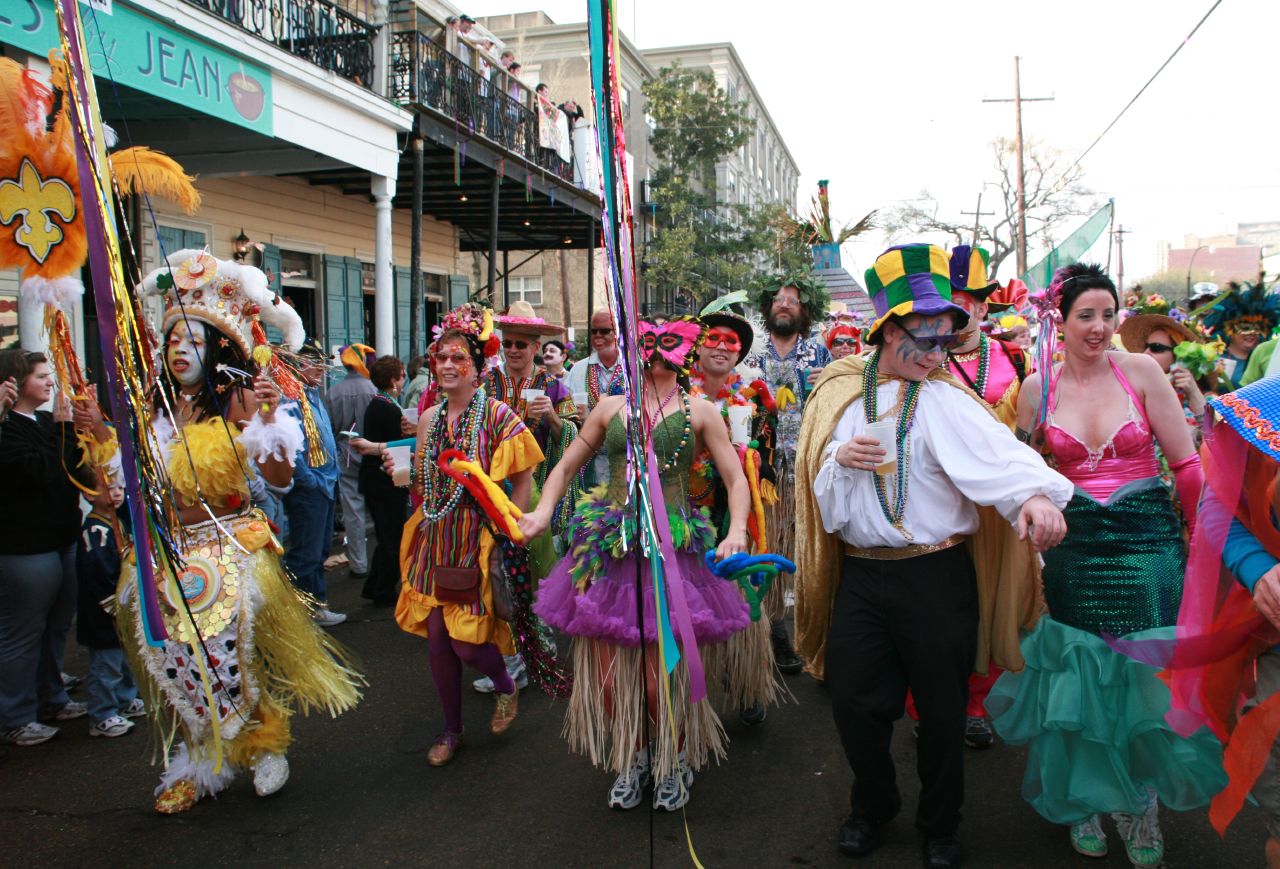
New Orleans Mardi Gras is a renowned cultural festival held annually in New Orleans, Louisiana, culminating on Mardi Gras (Fat Tuesday), the day before Ash Wednesday. The festivities span about two weeks, featuring parades, balls, and street celebrations organized by local krewes, with the largest events occurring in the final days.
- Parades organized by krewes roll daily in the final week
- Float riders toss beads and trinkets to the crowds
- Walking parades take place in the Marigny and French Quarter
- Mardi Gras culminates on Fat Tuesday before Ash Wednesday
- The season begins on January 6th, known as 12th Night
What it is
New Orleans Mardi Gras is the most celebrated carnival season in the United States, known for its elaborate parades, masked balls, and street revelry. The festival is deeply woven into the city's identity, bringing together locals and visitors for a spirited farewell to indulgence before Lent. Social clubs called krewes organize the parades and events, each adding their own traditions and themes. Mardi Gras is a time when the city’s diverse communities come together, expressing creativity and joy through costumes, music, and public celebration.
Where it comes from
The roots of Mardi Gras in Louisiana trace back to 1699, when French explorers marked the day with festivities at the mouth of the Mississippi River. By the 18th century, Carnival balls and masked celebrations had become established in New Orleans, despite occasional bans. The first formal parade was organized in 1856 by the Mistick Krewe of Comus, marking a shift from French to Anglo-American influence in the city's Carnival traditions. Over time, Mardi Gras evolved into a unique blend of Creole and American customs, becoming a legal state holiday in 1875. Despite interruptions from wars and disasters, the festival has endured as a symbol of New Orleans’ resilience and cultural fusion.
How it is celebrated
Celebrations begin on January 6th, with private krewe balls and public festivities building up to the final week. Parades are the heart of Mardi Gras, with krewes designing themed floats and donning colorful costumes. Riders toss 'throws'—beads, doubloons, cups, and trinkets—into the crowds, creating a lively exchange between participants and spectators. The last five days see the most elaborate parades, especially along St. Charles Avenue and Canal Street. Walking parades, such as those by Krewe du Vieux and 'tit Rex, add a quirky, local flavor. Many events are family-friendly, while others, especially in the French Quarter, are more adult-oriented. The season concludes with the symbolic “Meeting of the Courts” between the krewes of Rex and Comus.


Joining in
Visitors can experience Mardi Gras throughout New Orleans, but the main parades follow set routes in Uptown and Mid-City, with festivities spilling into the French Quarter and Marigny. Expect large crowds, vibrant costumes, and a festive atmosphere. While some krewe balls are private, parades and street celebrations are open to all. Arriving early to claim a good spot along the parade route is common. Be prepared for music, dancing, and the tradition of catching throws from passing floats—a cherished souvenir of the season.
Sources and attribution
This page is Mela's own summary, written in new words. Its facts are drawn from the Wikipedia article Mardi Gras in New Orleans, whose text is available under the CC BY-SA 4.0 licence, and from its Wikidata record (CC0). Each photo is credited to its author beside it. For the full account, read the originals below.
Read more
- Mardi Gras in New Orleans on WikipediaEncyclopedia
- New Orleans Mardi Gras travel guide on WikivoyageTravel guide
- More photos on Wikimedia CommonsPhotos
- Wikidata recordOpen data
This page was written with AI assistance from the sources listed above, and checked automatically before publishing. Spotted a mistake? Tell us. Last refreshed 2026-10-02.
 Cultural
 Spiritual
 Spiritual
 Sports
 Cultural
 Cultural
 Cultural
 Cultural