
Pagoda festival
Buddhist pagoda festivals light up Myanmar with devotion and celebration
Pagoda festivals are Buddhist celebrations held at pagodas throughout Myanmar, marking important religious events in each pagoda's history. Most take place during the dry season, from November to March, and draw pilgrims and locals alike for days of worship, fairs, and performances.
- Held at Buddhist pagodas across Myanmar
- Most festivals take place from November to March
- Features bazaars, food stalls, and traditional performances
- Pilgrims travel from all over the country
- Each festival marks a pagoda's special religious event
What it is
Pagoda festivals are vibrant religious gatherings that take place at Buddhist pagodas across Myanmar. Each festival commemorates significant moments in a pagoda’s history, such as its founding or the crowning of its hti (sacred umbrella). These festivals are deeply woven into local spiritual life, serving as both acts of devotion and occasions for community celebration. For many, attending a pagoda festival is a pilgrimage, bringing together people from near and far to honor the Buddha, make offerings, and participate in shared rituals.
Where it comes from
The tradition of pagoda festivals in Myanmar is rooted in the Buddhist calendar and the history of each pagoda. Many festivals mark milestones like the construction of the pagoda or the installation of its hti, reflecting the importance of these sites in Burmese Buddhist practice. Over time, these observances have grown into major communal events, blending religious rites with local culture and entertainment. The timing and customs of each festival are shaped by centuries of Buddhist tradition and the rhythms of rural life.
How it is celebrated
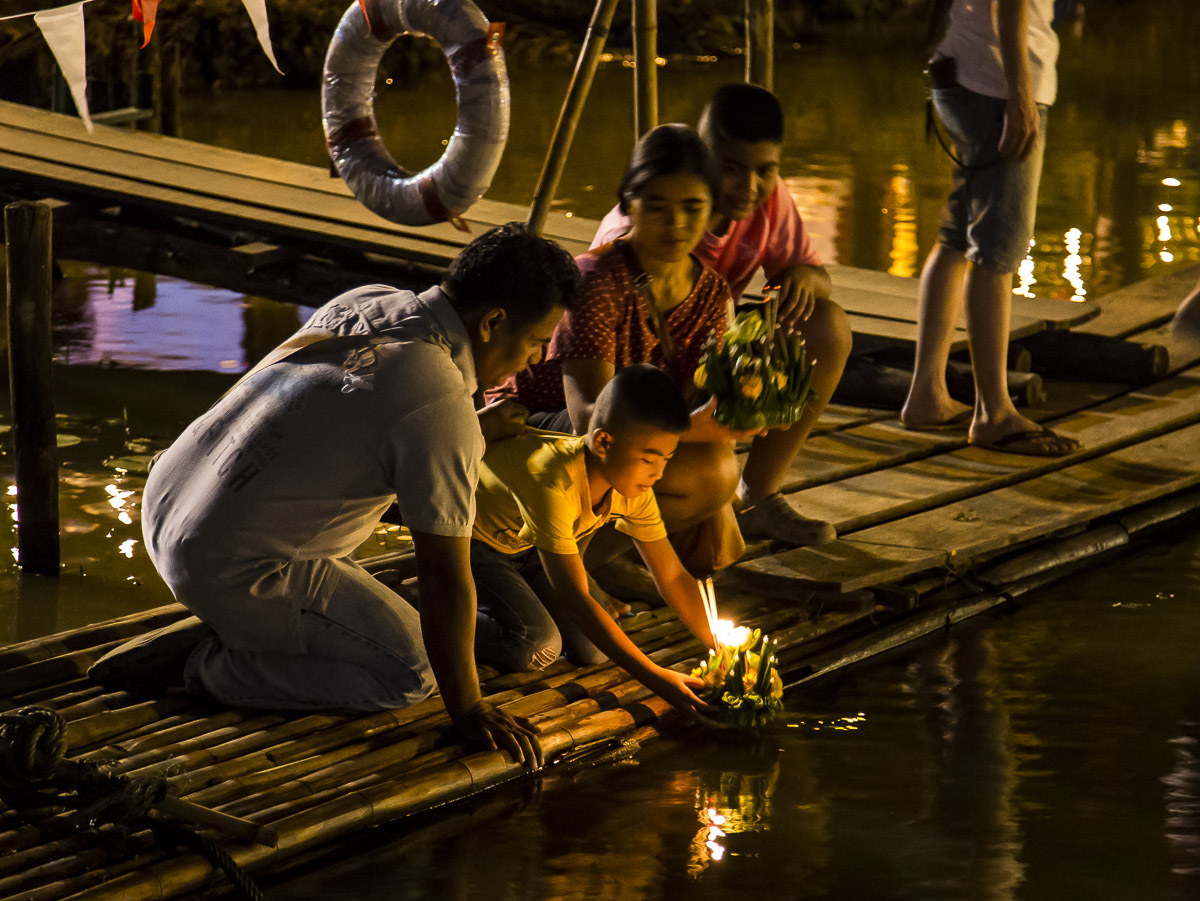
During pagoda festivals, the grounds around the pagoda transform into bustling hubs of activity. Temporary bazaars spring up, offering food, local snacks, and a wide variety of goods. Entertainment is a key part of the festivities, with performances such as anyeint dramas, puppet shows (yoke the), lethwei (traditional boxing) matches, and arcade games. Pilgrims and devotees gather to make offerings, light candles, and join in communal prayers. The atmosphere is lively, with families and friends sharing meals and enjoying the festive spirit, while the pagoda itself remains the spiritual heart of the celebration.
Joining in
Visitors are welcome to experience pagoda festivals in towns and villages across Myanmar, especially during the dry season from November to March. Major festivals, such as those at Shwedagon Pagoda in Yangon or Ananda Temple in Bagan, attract large crowds and offer a rich blend of religious and cultural experiences. Expect lively markets, traditional performances, and a warm, communal atmosphere. Modest dress and respectful behavior are appreciated, as these are sacred occasions for local Buddhists.
Sources and attribution
This page is Mela's own summary, written in new words. Its facts are drawn from the Wikipedia article Pagoda festival, whose text is available under the CC BY-SA 4.0 licence, and from its Wikidata record (CC0). Each photo is credited to its author beside it. For the full account, read the originals below.
Read more
This page was written with AI assistance from the sources listed above, and checked automatically before publishing. Spotted a mistake? Tell us. Last refreshed 2026-10-02.
 Cultural
 Seasonal
 Cultural
 Spiritual
 Spiritual
 Spiritual
 Spiritual
 Spiritual