
Sumidagawa Fireworks Festival
A riverside fireworks competition lighting up Tokyo’s summer sky
The Sumidagawa Fireworks Festival is a major annual event held on the Sumida River in Tokyo, Japan, on the last Saturday of July. This vibrant celebration features a spectacular fireworks competition between rival pyrotechnic groups, drawing nearly a million spectators each year.
- Held on the Sumida River near Asakusa in Tokyo
- Features a competition between rival fireworks teams
- Nearly a million people attend each year
- Tradition dates back to the Edo period
- Spectators shout 'tamaya!' and 'kagiya!' for their favorites
What it is
The Sumidagawa Fireworks Festival is one of Tokyo’s most anticipated summer events, transforming the banks of the Sumida River into a lively gathering place. At its heart is a dazzling display of fireworks, launched by competing teams of pyrotechnicians, each striving to outshine the other. The festival is not just a visual spectacle but also a cherished tradition, bringing together locals and visitors to celebrate the season and the artistry of fireworks. Shouts of encouragement for favorite teams echo along the river, adding to the spirited atmosphere that defines this event.
Where it comes from
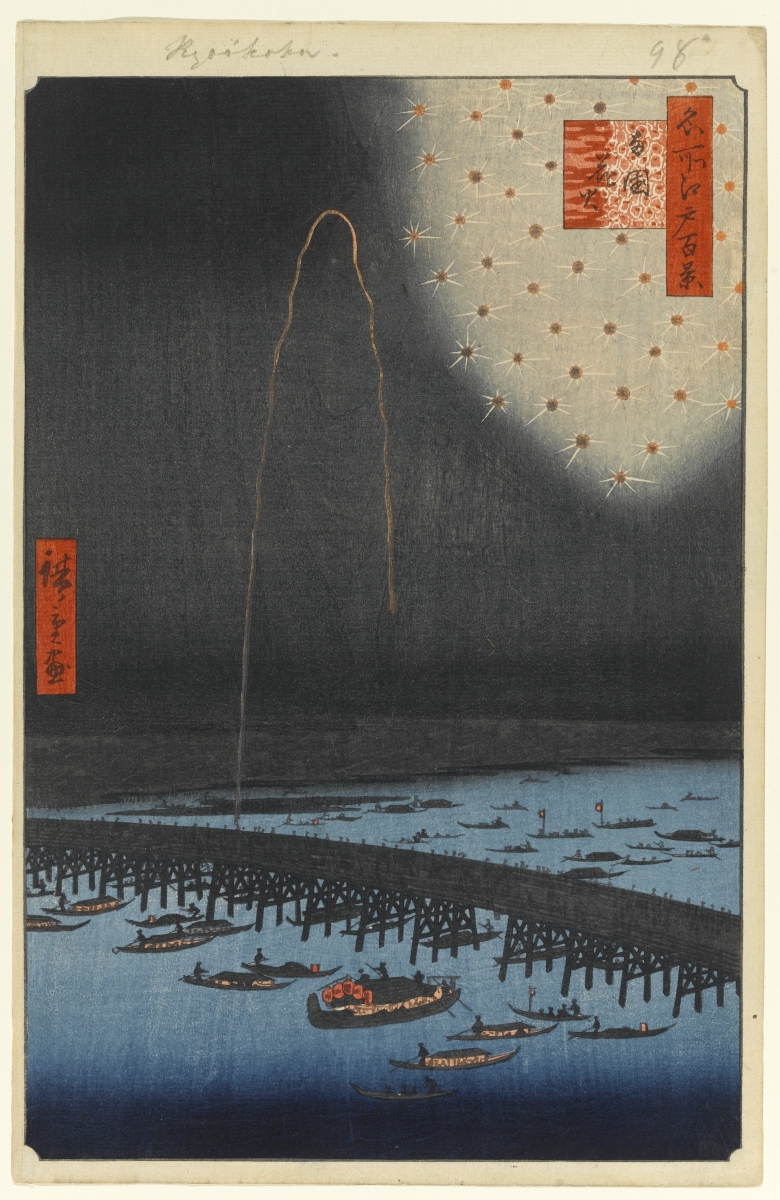
The origins of the Sumidagawa Fireworks Festival date back to 1732, during a time of famine and hardship in Japan. Fireworks were first launched as part of festivals for the dead, serving both as mourning rituals and as a source of entertainment for people facing difficult times. The event, originally known as Ryōgoku Kawabiraki, became a regular tradition by the early 19th century. Rivalry between pyrotechnic guilds, particularly Tamaya and Kagiya, became central to the festival’s identity, with crowds cheering for their favorites. Despite interruptions in the 20th century, the festival was revived in 1978 and continues to thrive.
How it is celebrated
On the evening of the festival, crowds gather along the Sumida River, especially near Asakusa, to watch the sky come alive with bursts of color and light. The event is structured as a competition, with different pyrotechnic teams presenting their most impressive displays. Spectators often shout the names of their favored teams, a tradition that dates back centuries. Many people wear summer yukata and bring picnic mats to enjoy the show with friends and family. Food stalls line the riverbanks, offering festival treats and drinks, while the Tokyo Skytree provides a striking backdrop to the festivities. The communal excitement and the artistry of the fireworks make the night memorable for all who attend.

Joining in
Visitors can experience the festival by heading to the Sumida River area in Tokyo, with the main viewing spots near Asakusa. Arriving early is recommended, as the event draws large crowds and the best spots fill up quickly. Expect a festive, bustling atmosphere with locals dressed in traditional attire, street food vendors, and a sense of anticipation as night falls. The fireworks begin after sunset and last for hours, offering a unique way to experience Tokyo’s summer traditions.
Sources and attribution
This page is Mela's own summary, written in new words. Its facts are drawn from the Wikipedia article Sumidagawa Fireworks Festival, whose text is available under the CC BY-SA 4.0 licence, and from its Wikidata record (CC0). Each photo is credited to its author beside it. For the full account, read the originals below.
Read more
- Sumidagawa Fireworks Festival on WikipediaEncyclopedia
- Official websiteOfficial site
- More photos on Wikimedia CommonsPhotos
- Wikidata recordOpen data
This page was written with AI assistance from the sources listed above, and checked automatically before publishing. Spotted a mistake? Tell us. Last refreshed 2026-10-03.
 Cultural
 Spiritual
 Spiritual
 Sports
 Cultural
 Cultural
 Cultural
 Cultural