Trinidad and Tobago Carnival
A vibrant street festival of music, masquerade, and tradition before Lent
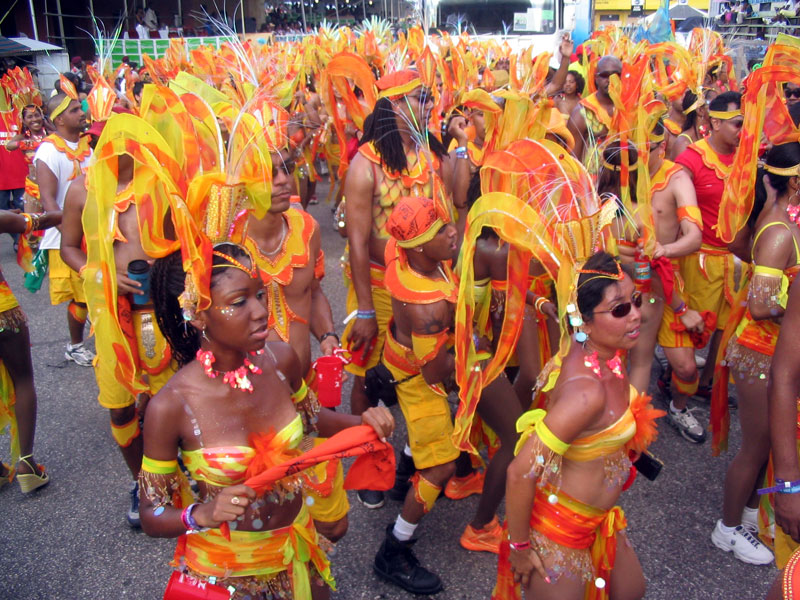
Trinidad and Tobago Carnival is a world-renowned street festival held annually on the Monday and Tuesday before Ash Wednesday across Trinidad and Tobago, with its heart in Port of Spain. The celebration features exuberant parades, elaborate costumes, calypso and soca music, and a lively blend of African, French, and Caribbean traditions.
- J'ouvert marks the dawn start with mud, oil, and street dancing
- Elaborate masquerade costumes called 'mas' fill the parades
- Calypso and soca music drive the celebrations
- Traditional characters like Midnight Robber and Moko Jumbie appear
- Steelpan competitions showcase Trinidad's unique musical invention
What it is
Trinidad and Tobago Carnival is a dazzling, two-day street festival marking the days before Lent, celebrated with vibrant costumes, energetic music, and spirited dancing. The event is deeply woven into the cultural fabric of Trinidad and Tobago, blending African, French, and Caribbean influences. For many, Carnival is a time to express creativity, joy, and community spirit, as well as to honor the struggles and resilience of ancestors. The festival’s exuberant atmosphere and rich traditions make it a defining moment in the national calendar, drawing people together in a shared celebration of heritage and freedom.
Where it comes from
Carnival in Trinidad dates back to the late 18th century, when French planters and free people of color brought masquerade balls to the island. Enslaved Africans, excluded from these festivities, developed their own parallel celebrations, notably Canboulay, which featured drumming, stick-fighting, and dance. After Emancipation in 1834, freed Africans merged their traditions with the masquerade, transforming Carnival into a festival of liberation and cultural expression. Over time, the event absorbed influences from various communities, giving rise to unique characters, calypso music, and later, the steelpan.
How it is celebrated
Celebrations begin with J'ouvert at dawn on Carnival Monday, when revelers take to the streets covered in mud, oil, or paint, dancing to the rhythms of calypso and soca. As the day unfolds, participants don elaborate and colorful costumes—known as 'mas'—and join large bands that parade through the city, especially in Port of Spain. The festivities include stick-fighting, limbo, and steelpan competitions, each reflecting different strands of the island’s heritage. Traditional Carnival characters like the Midnight Robber, Dame Lorraine, and Moko Jumbie add theatrical flair. Music is central, with calypso and soca setting the pace for dancing and celebration throughout the festival.


Joining in
The main Carnival celebrations are centered in Port of Spain, but festivities occur throughout Trinidad and Tobago. Visitors can expect lively street parades, pulsating music, and a welcoming atmosphere. While some events require tickets, much of the celebration spills onto the streets, where anyone can join the revelry or simply observe the spectacle. Comfortable clothing, an open mind, and a readiness for crowds and music are essential for the full Carnival experience.
Sources and attribution
This page is Mela's own summary, written in new words. Its facts are drawn from the Wikipedia article Trinidad and Tobago Carnival, whose text is available under the CC BY-SA 4.0 licence, and from its Wikidata record (CC0). Each photo is credited to its author beside it. For the full account, read the originals below.
Read more
- Trinidad and Tobago Carnival on WikipediaEncyclopedia
- More photos on Wikimedia CommonsPhotos
- Wikidata recordOpen data
This page was written with AI assistance from the sources listed above, and checked automatically before publishing. Spotted a mistake? Tell us. Last refreshed 2026-10-02.
 Spiritual
 Spiritual
 Cultural
 Spiritual
 Cultural
 Cultural
 Cultural
 Cultural