
Holy Saturday
The day of waiting and hope between Good Friday and Easter Sunday
Holy Saturday is the last day of Holy Week, observed by Christians worldwide as the day Jesus Christ lay in the tomb, marking a time of quiet reflection and anticipation before Easter. Traditions and rituals vary across denominations, with major observances in countries such as Syria, Israel, Australia, and the Philippines, usually falling between March and April.
- Marks the day Jesus lay in the tomb before Easter
- Eastern Orthodox celebrate with laurel leaves and flower petals
- Catholic and Anglican churches hold the Easter Vigil at night
- Known as the Saturday of Light in the Levant
- Moravian Christians decorate graves with flowers
What it is
Holy Saturday is a day of deep stillness and expectation for Christians, marking the time between the sorrow of Good Friday and the joy of Easter Sunday. It commemorates the day when Jesus Christ’s body lay in the tomb, and is seen as a moment of waiting, hope, and preparation for the celebration of the Resurrection. For many, it is a time to reflect on themes of loss, redemption, and the promise of new life. The day is observed with solemnity, quiet prayer, and, in some traditions, the anticipation of the Easter Vigil, which ushers in the Easter feast.
Where it comes from
The roots of Holy Saturday lie in the earliest Christian communities, who remembered the time between Christ’s crucifixion and resurrection as a period of mourning and waiting. Over centuries, different Christian traditions developed their own ways of marking the day. In the Eastern Orthodox Church, it is called the Great Sabbath, recalling both Christ’s rest in the tomb and his descent to the dead, known as the Harrowing of Hell. Western churches, such as Catholic and Anglican, emphasize the transition from darkness to light, culminating in the Easter Vigil. The day’s liturgies and customs reflect both ancient Jewish Sabbath traditions and the unique Christian story of hope after loss.
How it is celebrated
Celebrations and rituals on Holy Saturday differ across Christian communities. In Eastern Orthodox churches, the day begins with a funeral-like service around the Epitaphios, an embroidered icon representing Christ’s burial. This is followed by a procession and the vesperal Divine Liturgy, where laurel leaves and flower petals are scattered to symbolize Christ’s victory over death, and the mood shifts from mourning to anticipation. In Greek and Arabic traditions, the congregation may stamp feet or bang sticks to symbolize the breaking of hell’s gates. In Catholic, Lutheran, and Anglican churches, the day is marked by silence until the Easter Vigil at night, when candles are lit and the Resurrection is proclaimed. Moravian Christians decorate graves with flowers, and in some traditions, the faithful fast and refrain from celebration until midnight.


Joining in
Visitors can experience Holy Saturday in many countries, with especially vivid traditions in places like Jerusalem’s Church of the Holy Sepulchre, where the Holy Fire ceremony draws crowds from around the world. In Orthodox churches across the Levant, Eastern Europe, and Africa, the day’s liturgies are open to all, and the shift from darkness to light is moving to witness. In Western churches, attending the Easter Vigil offers a chance to participate in ancient rituals of fire, water, and song. While customs vary, newcomers are welcomed to join in the quiet reflection and the joyful anticipation that marks this unique day.
Sources and attribution
This page is Mela's own summary, written in new words. Its facts are drawn from the Wikipedia article Holy Saturday, whose text is available under the CC BY-SA 4.0 licence, and from its Wikidata record (CC0). Each photo is credited to its author beside it. For the full account, read the originals below.
Read more
- Holy Saturday on WikipediaEncyclopedia
- Encyclopaedia BritannicaArticle
- More photos on Wikimedia CommonsPhotos
- Wikidata recordOpen data
This page was written with AI assistance from the sources listed above, and checked automatically before publishing. Spotted a mistake? Tell us. Last refreshed 2026-10-02.
More spiritual festivals
See them all Spiritual
Marvaries
Easter🇦🇺 Australia and 29 more countries
Spiritual
Marvaries
Easter🇦🇺 Australia and 29 more countries
 Spiritual
9Mar
Eid al-Fitr🇦🇫 Afghanistan and 35 more countries
Spiritual
9Mar
Eid al-Fitr🇦🇫 Afghanistan and 35 more countries
 Spiritual
26Mar
Good Friday🇦🇷 Argentina and 42 more countries
Spiritual
26Mar
Good Friday🇦🇷 Argentina and 42 more countries
 Spiritual
21Mar
Palm Sunday🇦🇺 Australia and 27 more countries
Spiritual
21Mar
Palm Sunday🇦🇺 Australia and 27 more countries
 Spiritual
21Mar
Holy Week🇧🇷 Brazil and 20 more countries
Spiritual
21Mar
Holy Week🇧🇷 Brazil and 20 more countries
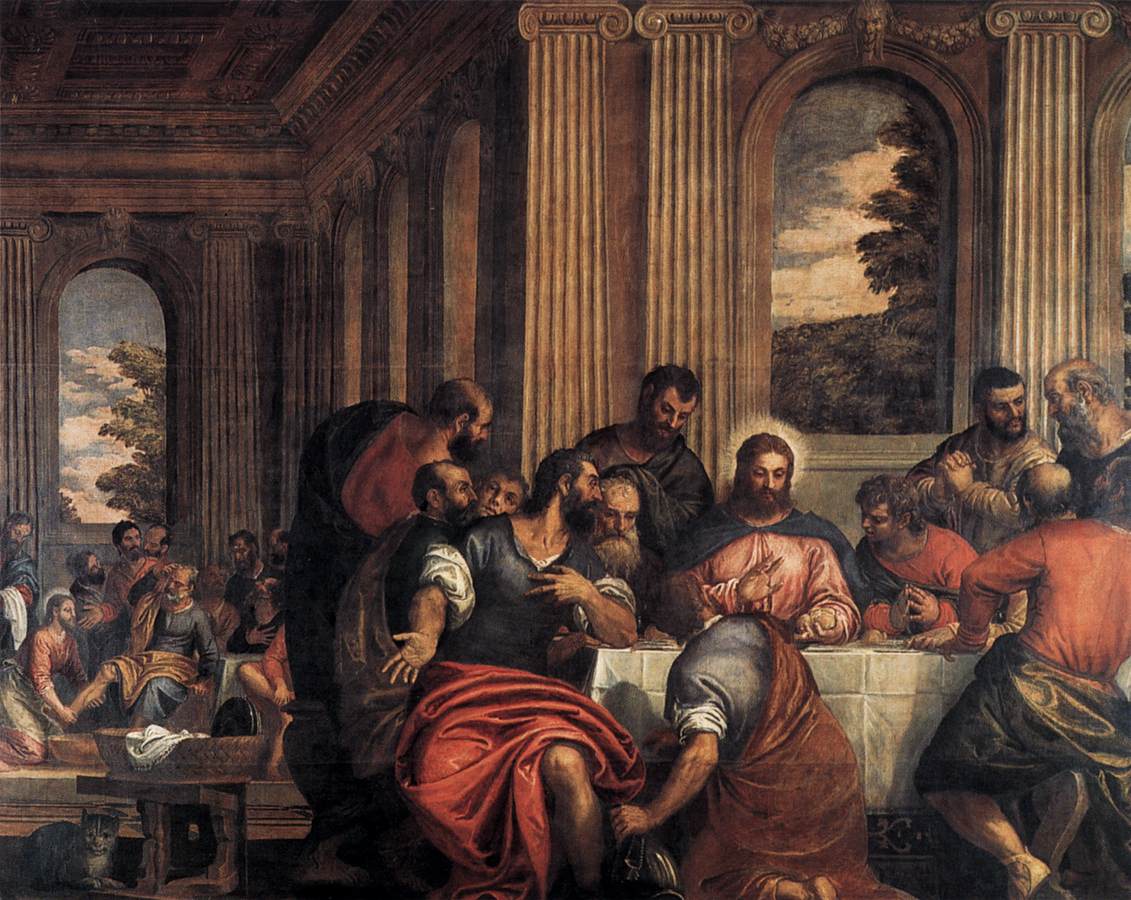 Spiritual
25Mar
Maundy Thursday🇦🇷 Argentina and 29 more countries
Spiritual
25Mar
Maundy Thursday🇦🇷 Argentina and 29 more countries
 Spiritual
Marvaries
Holi🇮🇳 India and 11 more countries
Spiritual
Marvaries
Holi🇮🇳 India and 11 more countries
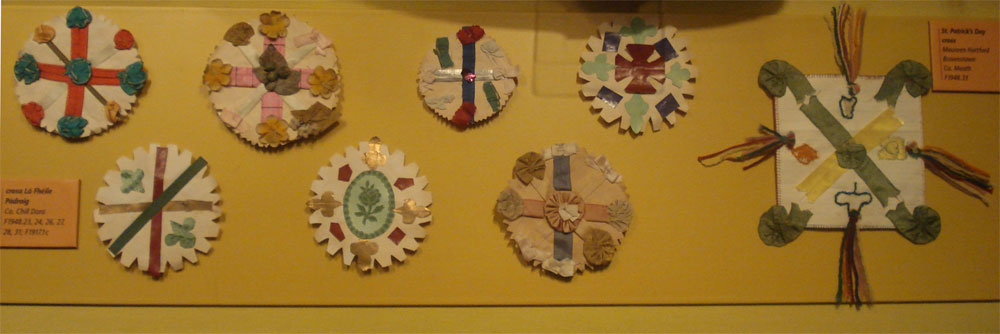 Spiritual
17Mar
Saint Patrick's Day🇦🇷 Argentina and 22 more countries
Spiritual
17Mar
Saint Patrick's Day🇦🇷 Argentina and 22 more countries