
The Lantz carnivals transform a quiet Navarre village into a lively stage of folklore every year just before the Lenten season begins. Locals don animal furs and heavy straw costumes to reenact the legendary capture of a notorious bandit and his wild wooden horse.
- Miel Otxin is a massive straw doll representing a notorious regional thief.
- Ziripot wears heavy straw saddlebags and falls whenever the wooden horse attacks.
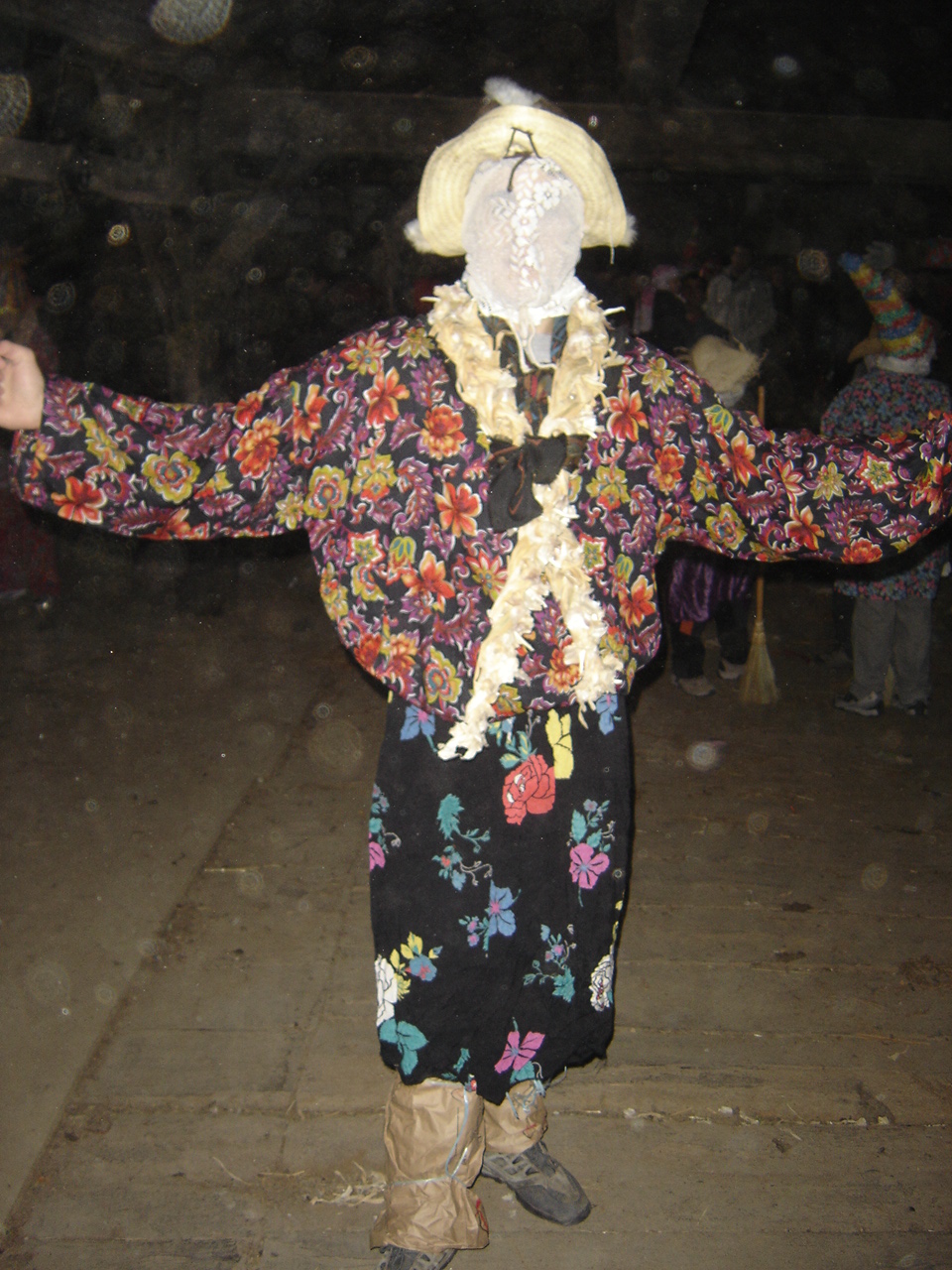
- The Txatxoak represent the local population by wearing fur pelts and aged garments.
- Youth of the village prepare the main thief effigy every Sunday.
What it is
This traditional celebration takes place in the Navarre village of Lantz just before the start of Lent. It centers around a lively street performance where residents dress in elaborate costumes to capture a notorious local thief. The event is deeply rooted in regional folklore, serving as a communal way to drive away evil spirits and celebrate local identity. Through music, dance, and theatrical storytelling, the community brings ancient legends to life, turning the streets into a shared stage of cultural memory. The festivities highlight the enduring power of shared myths, allowing each generation to participate in a ritual that reinforces their unique heritage and strengthens the bonds among neighbors.
Where it comes from
The festivities are built around the legend of Miel Otxin, a huge straw effigy representing a notorious thief or evil spirit from the region. According to local fable, a beggar named Ziripot was robbed by this thief and a wild horse. In revenge, the beggar spread terrible tales about them, leading the townspeople to capture and burn the culprits. Over time, this story evolved into the annual ritual, with the effigy prepared by the youth each Sunday to symbolize the triumph of the community over wrongdoing.
How it is celebrated
Each Monday and Tuesday before Ash Wednesday, the streets fill with costumed locals. The massive Miel Otxin doll dances to the tunes of the traditional Gaita and Basque whistle. Ziripot, weighed down by straw-filled saddlebags, walks with a long walking stick and falls whenever Zaldiko, a wooden horse, attacks him. The Arotzak, or farriers, try to shoe the wild horse, while the Txatxoak, representing the villagers, wear animal pelts and aged garments to chase the characters. The climax involves the community capturing the thief effigy, fulfilling the ancient story and bringing the lively fable to a dramatic close.



Joining in
Visitors can experience this unique folklore by walking the streets of Lantz during the carnival days. You will see the colorful characters parading through the village, accompanied by traditional music. It is a fine opportunity to witness a longstanding Basque tradition and watch the community come together to reenact their legendary history.
Sources and attribution
This page is Mela's own summary, written in new words. Its facts are drawn from the Wikipedia article Lantz carnivals, whose text is available under the CC BY-SA 4.0 licence, and from its Wikidata record (CC0). Each photo is credited to its author beside it. For the full account, read the originals below.
Read more
- Lantz carnivals on WikipediaEncyclopedia
- More photos on Wikimedia CommonsPhotos
- Wikidata recordOpen data
This page was written with AI assistance from the sources listed above, and checked automatically before publishing. Spotted a mistake? Tell us. Last refreshed 2026-10-04.
 Spiritual
 Sports
 Cultural
 Spiritual
 Cultural
 Cultural
 Cultural
 Cultural