
Magdalena Festival
Nine days of tradition, parades, and pilgrimage in Castellón de la Plana
The Magdalena Festival is Castellón de la Plana's main annual celebration, held in Spain's Valencian Community. Lasting nine days from the third Saturday of Lent, it commemorates the city's historic move from the Hill of Mary Magdalene to the coastal plain in 1251, blending parades, fireworks, and a pilgrimage.
- Nine days of celebrations starting the third Saturday of Lent
- Grand parade with historical and mythological themes
- Pilgrimage to the Mary Magdalene chapel with traditional canes
- Fireworks and mascletà mark the festival's opening
- Communal paella served to pilgrims after Mass
What it is
The Magdalena Festival is a vibrant, nine-day celebration that marks the founding story of Castellón de la Plana. Locals honor the city's origins, recalling the move from the Hill of Mary Magdalene to the fertile plain in 1251. The festival is a time for the community to come together, celebrating their shared history with deep pride. Each day is filled with events that reflect the traditions, folklore, and spirit of Castellón, making it the most important festivity in the city’s calendar.
Where it comes from
The festival’s roots go back to the 13th century, commemorating the relocation of Castellón’s population from the hilltop to the plain in 1251. The modern Magdalena Festival began in 1945, evolving into a major annual event. Over the decades, it has grown in scale and significance, earning the title of Fiesta of International Tourist Interest in 2010. The festival’s rituals and processions are steeped in local history, connecting present-day residents with the city’s medieval past.
How it is celebrated
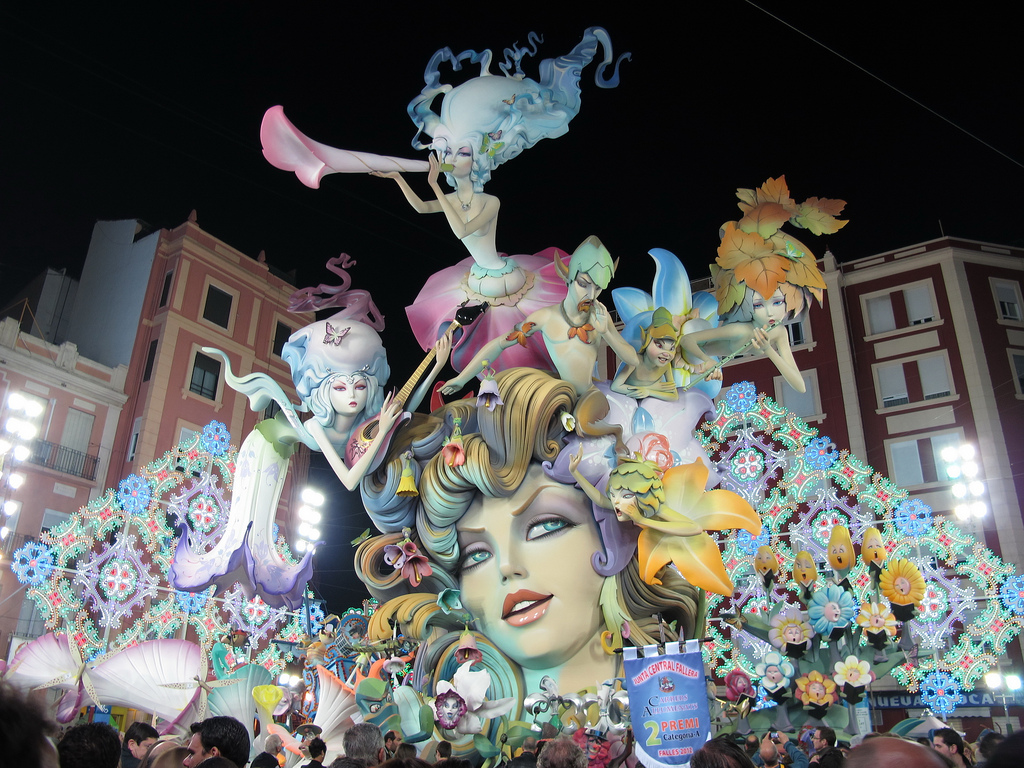
Celebrations begin with midday fireworks and a loud mascletà, followed by a grand parade that weaves through the city, featuring participants in historical costumes and floats representing Castellón’s mythology, history, and towns. The festival queen and local dignitaries take part, and the city’s band plays traditional marches. On Sunday, the most important day, thousands join the Pilgrimage of the Canes, walking from the city center to the Mary Magdalene chapel, carrying canes as a nod to the city’s origins. The journey includes stops for snacks like 'figa i doset' and prayers at chapels along the way. At the chapel, pilgrims are greeted with ring-shaped pretzels and share a communal paella after Mass. The return journey, or tornà, includes visits to religious sites and emotional moments at the Basilica of Our Lady of Lledó.


Joining in
Visitors to Castellón during the Magdalena Festival can expect a city alive with music, fireworks, and tradition. The main events are centered in Castellón de la Plana, especially around the Plaza Mayor and key churches. As a newcomer, you can watch the colorful parades, join the early-morning pilgrimage, and sample local foods at communal gatherings. The atmosphere is welcoming, with locals eager to share their customs and the story of their city.
Sources and attribution
This page is Mela's own summary, written in new words. Its facts are drawn from the Wikipedia article Magdalena Festival, whose text is available under the CC BY-SA 4.0 licence, and from its Wikidata record (CC0). Each photo is credited to its author beside it. For the full account, read the originals below.
Read more
- Magdalena Festival on WikipediaEncyclopedia
- More photos on Wikimedia CommonsPhotos
- Wikidata recordOpen data
This page was written with AI assistance from the sources listed above, and checked automatically before publishing. Spotted a mistake? Tell us. Last refreshed 2026-10-02.
 Spiritual
 Sports
 Cultural
 Spiritual
 Cultural
 Cultural
 Cultural
 Cultural