
Makar Sankranti
A harvest festival marking the sun's northward journey in the Hindu calendar
Makar Sankranti is a Hindu harvest and solar festival celebrated mainly in India and Nepal, marking the sun's transition into Capricorn. Observed on 14 January (or 15 January in leap years), it is a time for worshipping the Sun, feasting, kite flying, and community gatherings.
- Celebrated on 14 January (15 January in leap years)
- Kite flying is a major tradition in many regions
- Bathing in sacred rivers is a key ritual
- Special foods made with sesame and rice are prepared
- Known by many regional names across India and Nepal
What it is
Makar Sankranti is a major Hindu festival that celebrates the sun's transition into the zodiac sign of Capricorn, symbolizing the end of winter and the start of longer, warmer days. It is both a harvest festival and a spiritual observance, with people offering thanks to Surya, the Sun god, for his life-giving energy. The festival is recognized across India and Nepal, and is known by many regional names such as Pongal, Magh Bihu, and Uttarayana. For many, it represents a time of renewal, prosperity, and the strengthening of community bonds.
Where it comes from
The name 'Makar Sankranti' comes from Sanskrit, with 'Makara' meaning Capricorn and 'sankranti' referring to transition. The festival is rooted in Hindu astronomical tradition, marking the sun's movement from Sagittarius to Capricorn and the beginning of a new solar cycle. Ancient legends connect the day to Surya, the Sun god, and various mythological stories involving gods and demons. The festival's timing and rituals are closely tied to the agricultural calendar, celebrating the harvest and the promise of abundance.
How it is celebrated
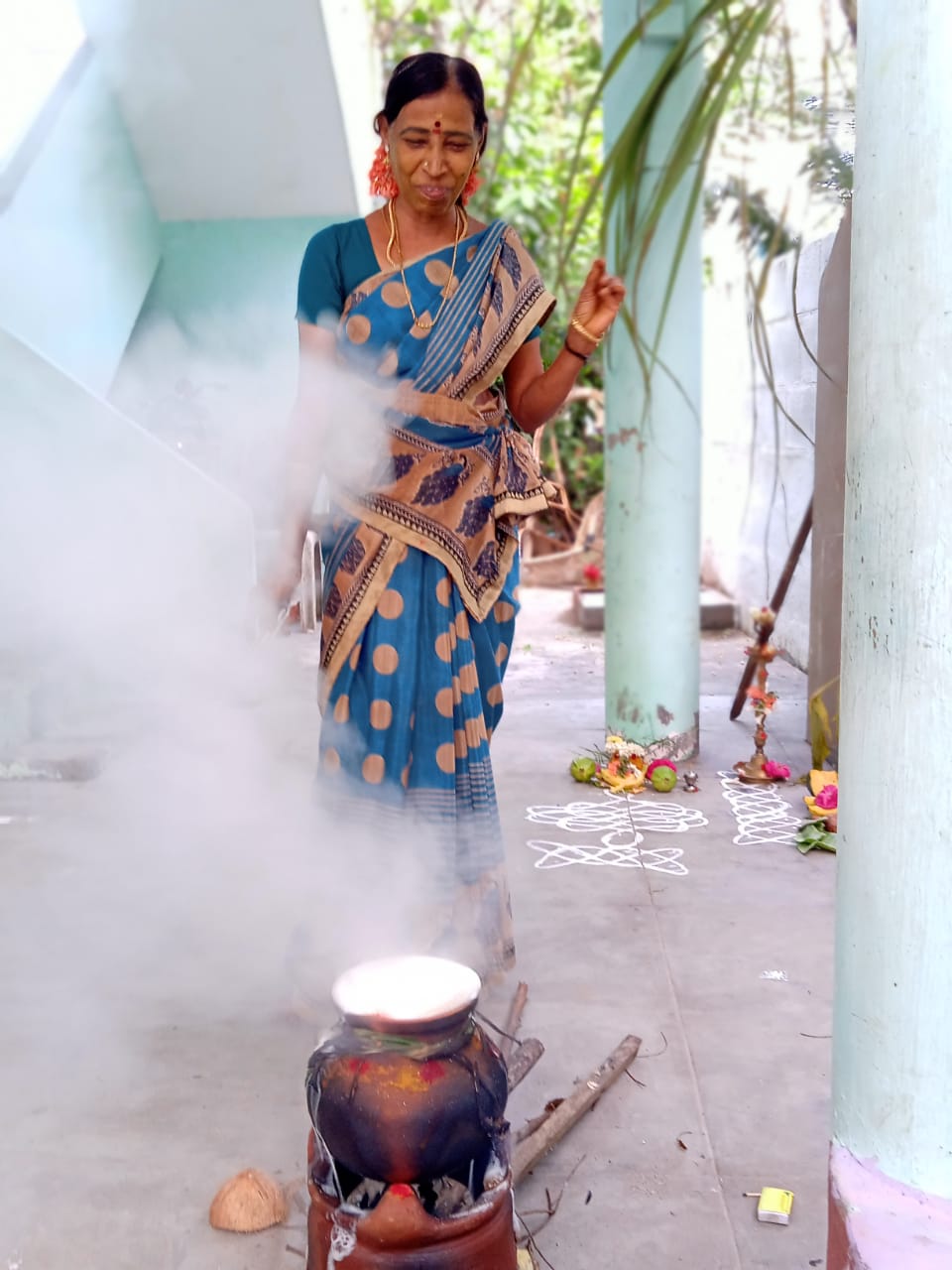
Celebrations vary widely across regions, but common customs include bathing in sacred rivers, flying colorful kites, lighting bonfires, and preparing special foods. In many places, people gather at rivers or lakes to offer prayers and thanks to the Sun, sometimes as part of massive gatherings like the Magha Mela or, every twelve years, the Kumbh Mela. Traditional dishes made from newly harvested rice, sesame seeds, and jaggery are shared with family and friends. Children may go door-to-door singing and asking for treats, while fairs, dances, and social events fill the day with joy and togetherness.


Joining in
Visitors can experience Makar Sankranti in cities and villages across India and Nepal, with especially vibrant celebrations in states like Gujarat, Tamil Nadu, Assam, and Maharashtra. Expect to see skies filled with kites, bustling fairs, and people dressed in festive attire. Participating in a river bathing ritual or joining a local feast offers a glimpse into the festival's spiritual and communal heart. Respect for local customs and openness to sharing in the joy of the season will make the experience memorable.
Sources and attribution
This page is Mela's own summary, written in new words. Its facts are drawn from the Wikipedia article Makar Sankranti, whose text is available under the CC BY-SA 4.0 licence, and from its Wikidata record (CC0). Each photo is credited to its author beside it. For the full account, read the originals below.
Read more
- Makar Sankranti on WikipediaEncyclopedia
- More photos on Wikimedia CommonsPhotos
- Wikidata recordOpen data
This page was written with AI assistance from the sources listed above, and checked automatically before publishing. Spotted a mistake? Tell us. Last refreshed 2026-10-02.
 Sports
 Spiritual
 Spiritual
 Cultural
 Seasonal
 Seasonal
 Seasonal
 Seasonal