
New Year marks the beginning of a new calendar year, celebrated in diverse ways across the globe. While most countries using the Gregorian calendar observe it on January 1, many cultures celebrate New Year according to their own traditional or religious calendars, leading to a variety of dates and customs.
- January 1 is the most widely observed New Year's Day
- Many cultures use lunar or lunisolar calendars for New Year
- Chinese New Year falls between January 21 and February 21
- Nowruz marks New Year at the March equinox in Iran and Central Asia
- Bali's Nyepi is a day of silence and reflection for New Year
What it is
New Year is the moment when a calendar year turns over, a milestone celebrated by countless cultures. For many, it is a time of reflection, renewal, and hope, as people look back on the past year and set intentions for the one to come. While January 1 is the most widely recognized date—especially in countries using the Gregorian calendar—numerous communities observe New Year at different times, often tied to lunar or solar cycles. The festival can be both a public holiday and a deeply personal occasion, marked by gatherings, rituals, and symbolic acts that express wishes for luck, health, and prosperity.
Where it comes from
The tradition of celebrating the New Year is ancient and varied. In the Roman world, January 1 became the start of the year in 153 BC, a practice later adopted by the Julian and then Gregorian calendars. However, many cultures have kept their own systems: the Chinese, Islamic, Hebrew, and Iranian calendars all begin the year on different dates, often linked to lunar cycles or astronomical events like the equinox. In medieval Europe, New Year's Day shifted between several dates, including March 1, March 25, and even December 25, depending on local custom. Over time, the adoption of the Gregorian calendar made January 1 the standard civil New Year in much of the world.
How it is celebrated
Celebrations of New Year differ widely. In many countries, January 1 is marked by public festivities, fireworks, and gatherings with family and friends. In East Asia, the lunar New Year brings days of family reunions, feasts, and traditions such as giving red envelopes. In Iran and Central Asia, Nowruz is celebrated at the spring equinox with visits, special meals, and symbolic rituals. In Bali, Nyepi is observed with a day of silence and reflection, while in India, multiple regional calendars mean New Year is celebrated at various times, often with religious ceremonies, processions, and traditional foods. Across cultures, the festival is a time to honor the past, welcome the future, and connect with community.


Joining in
As a visitor, you can experience New Year celebrations almost anywhere in the world, though the customs and timing will vary. In cities like Paris, Tokyo, or New York, expect lively public events on January 1. In places like Beijing or Hanoi, the lunar New Year brings weeks of festivities, parades, and family gatherings. If you visit Bali during Nyepi, prepare for a day of quiet and closed streets. Wherever you are, joining local customs—whether watching fireworks, sharing a meal, or simply reflecting—offers a window into the hopes and traditions of a community.
Sources and attribution
This page is Mela's own summary, written in new words. Its facts are drawn from the Wikipedia article New Year, whose text is available under the CC BY-SA 4.0 licence, and from its Wikidata record (CC0). Each photo is credited to its author beside it. For the full account, read the originals below.
Read more
This page was written with AI assistance from the sources listed above, and checked automatically before publishing. Spotted a mistake? Tell us. Last refreshed 2026-10-02.
More seasonal and harvest festivals
See them all Seasonal
1Jan
New Year's Day🇦🇫 Afghanistan and 57 more countries
Seasonal
1Jan
New Year's Day🇦🇫 Afghanistan and 57 more countries
 Seasonal
Janvaries
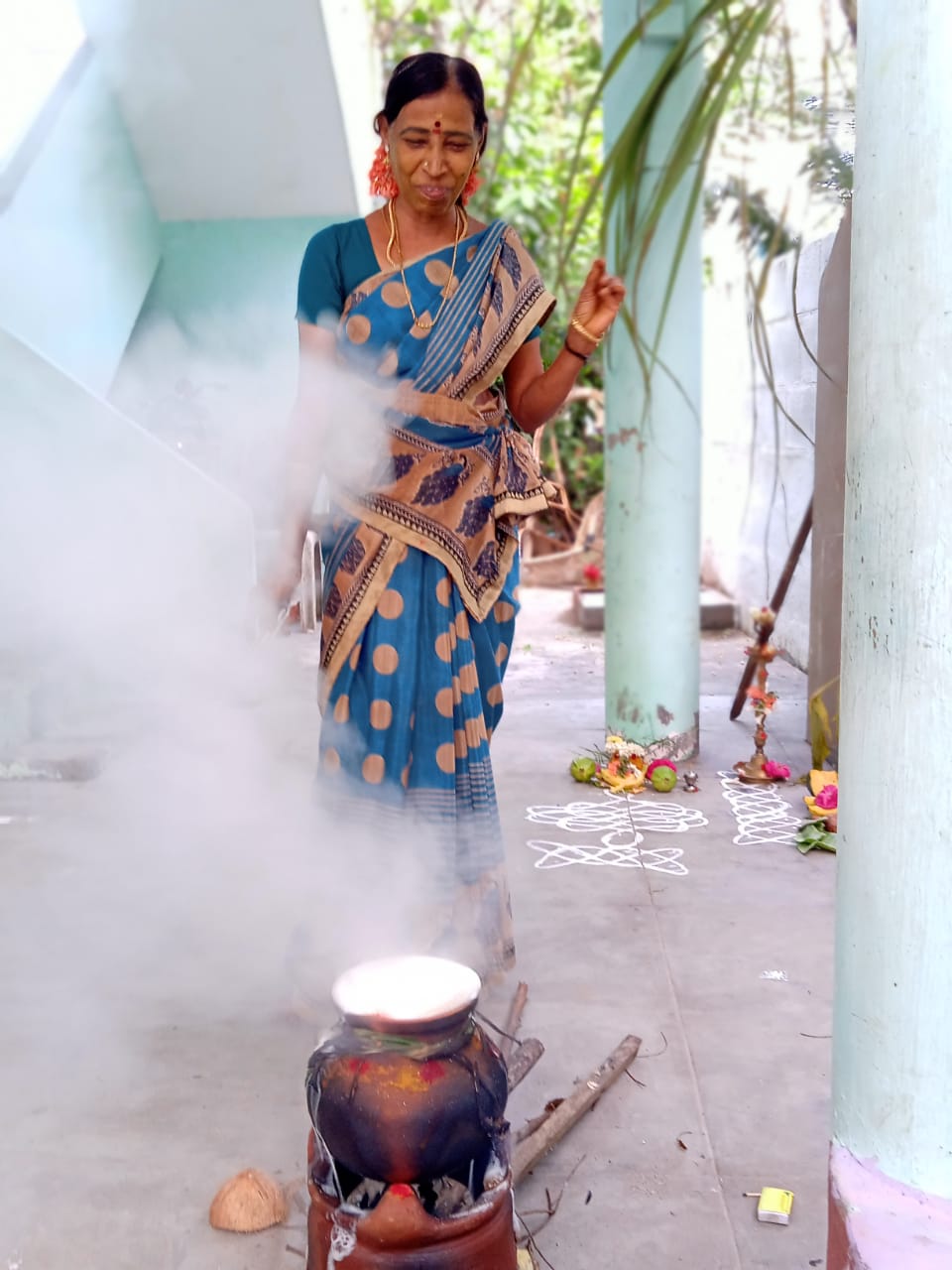
Pongal🇮🇳 India and 4 more countries
Seasonal
Janvaries
Pongal🇮🇳 India and 4 more countries
 Seasonal
14Jan
Makar Sankranti🇧🇩 Bangladesh and 6 more countries
Seasonal
14Jan
Makar Sankranti🇧🇩 Bangladesh and 6 more countries
 Seasonal
14Jan
Old New Year🇦🇲 Armenia and 21 more countries
Seasonal
14Jan
Old New Year🇦🇲 Armenia and 21 more countries
 Seasonal
13Jan
Lohri🇮🇳 Jammu, India and 1 more country
Seasonal
13Jan
Lohri🇮🇳 Jammu, India and 1 more country
 Seasonal
14Jan
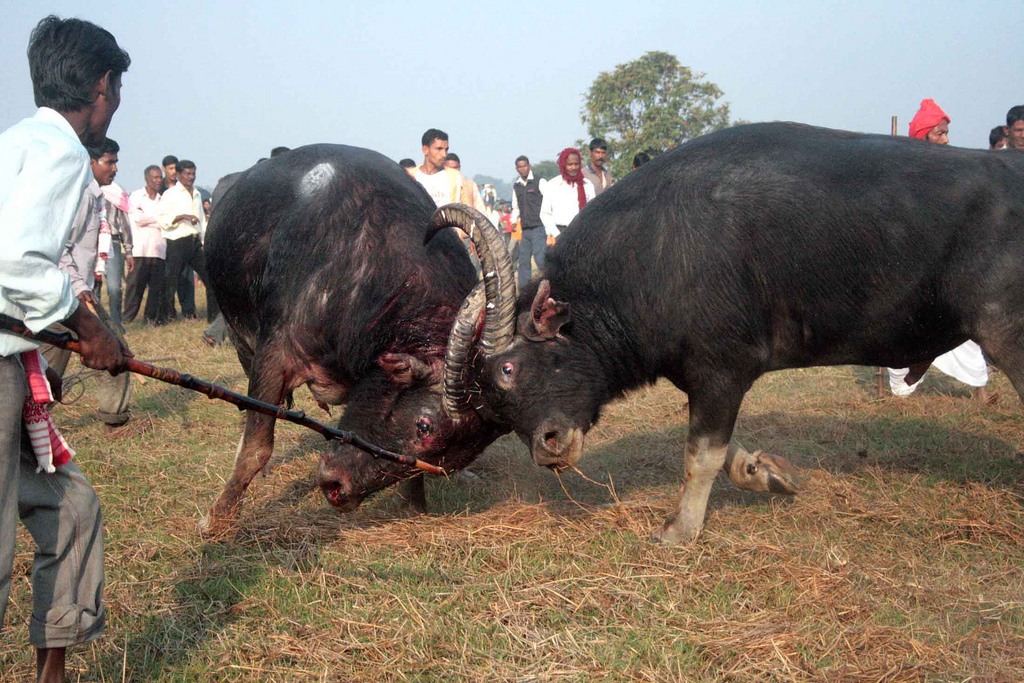
Magh Bihu🇮🇳 India
Seasonal
14Jan
Magh Bihu🇮🇳 India
 Seasonal
1Feb
Imbolc (Saint Brigid's Day)🇮🇪 Ireland and 1 more country
Seasonal
1Feb
Imbolc (Saint Brigid's Day)🇮🇪 Ireland and 1 more country
 Seasonal
Febvaries
Losar🇧🇹 Bhutan and 4 more countries
Seasonal
Febvaries
Losar🇧🇹 Bhutan and 4 more countries