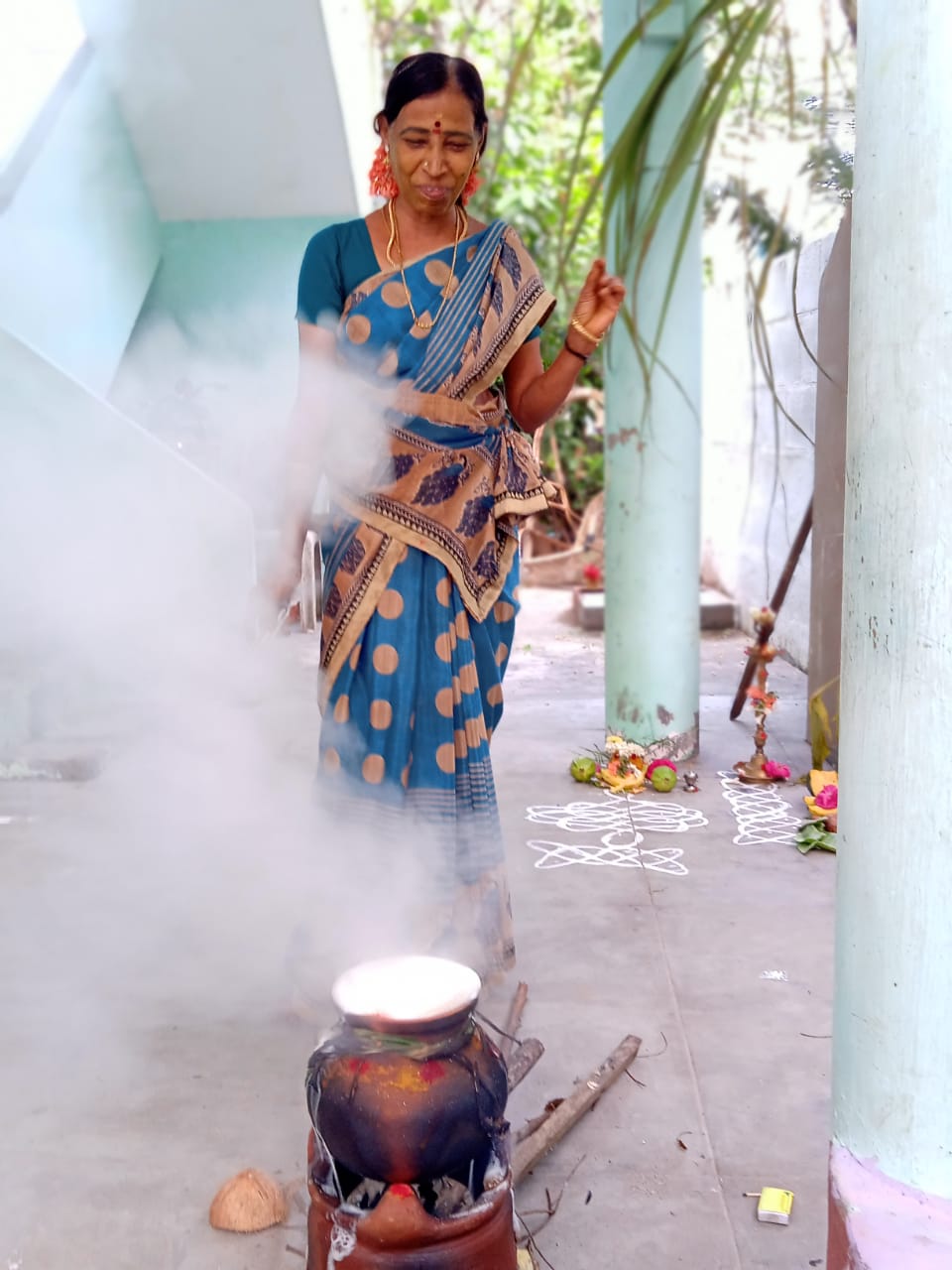
Pongal is a multi-day harvest festival celebrated by Tamils, mainly in India, Sri Lanka, Malaysia, Singapore, and Mauritius. Held in mid-January, it marks the end of winter solstice and honors the Sun, nature, and cattle, with rituals, feasts, and vibrant decorations.
- Pongal is named after the sweet rice dish cooked for the festival.
- Cattle are honored with colorful decorations and processions on Mattu Pongal.
- Homes are adorned with intricate kolam designs made from rice flour.
- The festival marks the start of the Sun’s northward journey, Uttarayana.
- Families gather to cook Pongal in decorated clay pots under the sun.
What it is
Pongal is a major Tamil harvest festival that spans three or four days, bringing families and communities together to give thanks for the year’s agricultural bounty. It is deeply rooted in Tamil culture and is observed by Tamils of all faiths. The festival centers on gratitude to the Sun deity Surya, the forces of nature, and the cattle that support farming life. Pongal is both a time of prayer and a social celebration, marked by colorful decorations, traditional foods, and the renewal of social bonds.
Where it comes from
Pongal’s history stretches back at least a millennium, with references found in temple inscriptions from the Chola period and in early Tamil devotional texts. The festival’s core theme is thanksgiving for a successful harvest, and it has long been associated with the worship of the Sun and the honoring of cattle. Over centuries, Pongal has evolved into a central event in Tamil society, blending ancient agricultural rituals with communal gatherings and festive meals.
How it is celebrated
Pongal unfolds over several days, each with its own customs. On Bhogi, people clean their homes and burn old belongings in bonfires, symbolizing renewal. Thai Pongal, the main day, is dedicated to Surya: families cook the sweet Pongal dish—rice boiled with milk and jaggery—in decorated clay pots under the open sky, offering the first portion to the Sun before sharing it. Homes are adorned with banana and mango leaves, and intricate kolam designs made from rice flour brighten thresholds. Mattu Pongal honors cattle, who are bathed, decorated with colorful paints and garlands, and fed special treats. On Kanum Pongal, families gather for reunions, visit elders, and enjoy social events, often sharing sugarcane and festival foods.


Joining in
Visitors during Pongal can expect a warm welcome, especially in Tamil Nadu and Sri Lanka, where the festival is most widely observed. In cities and villages alike, streets and homes are decorated with kolam, and the aroma of freshly cooked Pongal fills the air. Community events, temple gatherings, and fairs offer a chance to witness traditional games, music, and dance. Joining a local family or attending public celebrations provides an authentic glimpse into Tamil hospitality and festive spirit.
Sources and attribution
This page is Mela's own summary, written in new words. Its facts are drawn from the Wikipedia article Pongal (festival), whose text is available under the CC BY-SA 4.0 licence, and from its Wikidata record (CC0). Each photo is credited to its author beside it. For the full account, read the originals below.
Read more
- Pongal (festival) on WikipediaEncyclopedia
- Encyclopaedia BritannicaArticle
- More photos on Wikimedia CommonsPhotos
- Wikidata recordOpen data
This page was written with AI assistance from the sources listed above, and checked automatically before publishing. Spotted a mistake? Tell us. Last refreshed 2026-10-02.
 Sports
 Spiritual
 Spiritual
 National days
 Seasonal
 Seasonal
 Seasonal
 Seasonal