
New Year's Day marks the first day of the year in the Gregorian calendar, falling on 1 January. Celebrated across the globe, it is a public holiday in most countries and is often welcomed with fireworks, gatherings, and traditions that reflect hopes for the coming year.
- Celebrated on 1 January in most countries using the Gregorian calendar
- Fireworks mark the start of the new year at midnight
- Making New Year's resolutions is a common tradition
- Many attend church services or watchnight gatherings
- Public celebrations take place in cities worldwide
What it is
New Year's Day is the annual celebration of the start of the new year according to the Gregorian calendar, observed on 1 January. For many, it is a moment to reflect on the year gone by and to look forward with hope and intention. The day is significant as a fresh beginning, marked by gatherings, well-wishes, and traditions that vary by culture but share a common spirit of renewal. It is a time when people pause to connect with family and friends, and to set personal resolutions for the months ahead.
Where it comes from
The roots of New Year's Day stretch back to ancient civilizations. In early Rome, the new year began in March, but reforms shifted the start to January, named after Janus, the god of beginnings. The Julian calendar, introduced by Julius Caesar in 46 BC, established 1 January as the start of the year, a practice that spread through the Roman Empire. Over centuries, different parts of Europe celebrated the new year on various dates, including 25 December and 25 March, before most countries adopted the Gregorian calendar and settled on 1 January as New Year's Day.
How it is celebrated
Celebrations for New Year's Day often begin at midnight, as the old year ends and the new one begins. Fireworks light up city skies, and parties, parades, and public gatherings are common. Many people make New Year's resolutions, setting personal goals for the coming year. In Christian traditions, some attend watchnight services that blend reflection, prayer, and music. The day is also a time for reaching out to loved ones, exchanging greetings, and sometimes gifts. Customs vary around the world, but the sense of starting anew is universal, whether marked by a quiet family meal or a lively public event.


Joining in
To experience New Year's Day as a visitor, head to major cities where public celebrations are most vibrant—fireworks displays in places like London, Rome, or Mexico City draw large crowds. Expect streets to be lively at midnight, with people gathering to watch the sky light up and to share the moment with strangers and friends alike. Many communities also host parades or concerts on 1 January. If you prefer a quieter celebration, local churches may hold special services. Wherever you are, you'll find a sense of shared anticipation and goodwill as the new year begins.
Sources and attribution
This page is Mela's own summary, written in new words. Its facts are drawn from the Wikipedia article New Year's Day, whose text is available under the CC BY-SA 4.0 licence, and from its Wikidata record (CC0). Each photo is credited to its author beside it. For the full account, read the originals below.
Read more
- New Year's Day on WikipediaEncyclopedia
- Encyclopaedia BritannicaArticle
- More photos on Wikimedia CommonsPhotos
- Wikidata recordOpen data
This page was written with AI assistance from the sources listed above, and checked automatically before publishing. Spotted a mistake? Tell us. Last refreshed 2026-10-02.
More seasonal and harvest festivals
See them all Seasonal
1Jan
New Year🇧🇩 Bangladesh and 34 more countries
Seasonal
1Jan
New Year🇧🇩 Bangladesh and 34 more countries
 Seasonal
Janvaries
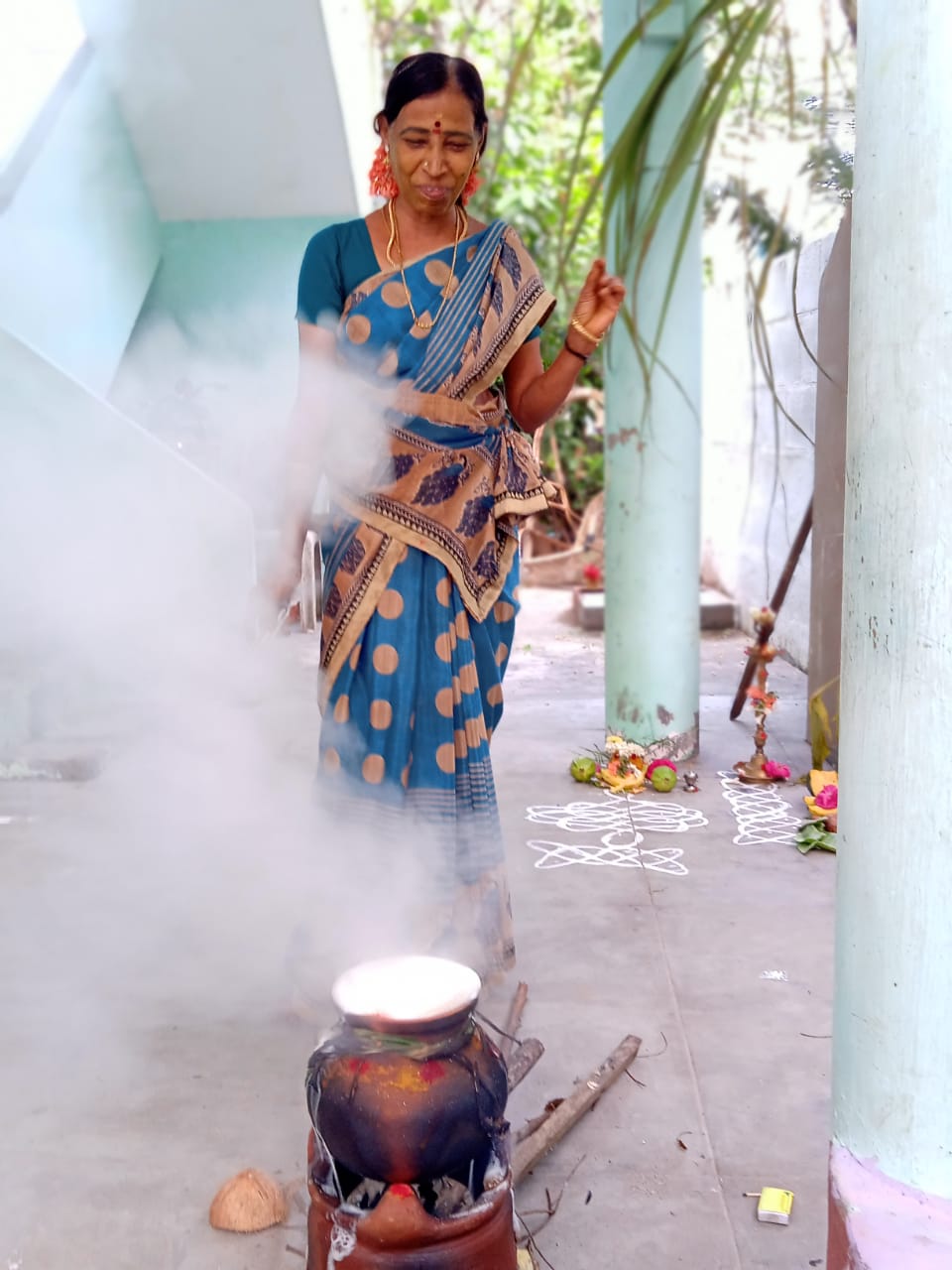
Pongal🇮🇳 India and 4 more countries
Seasonal
Janvaries
Pongal🇮🇳 India and 4 more countries
 Seasonal
14Jan
Makar Sankranti🇧🇩 Bangladesh and 6 more countries
Seasonal
14Jan
Makar Sankranti🇧🇩 Bangladesh and 6 more countries
 Seasonal
14Jan
Old New Year🇦🇲 Armenia and 21 more countries
Seasonal
14Jan
Old New Year🇦🇲 Armenia and 21 more countries
 Seasonal
13Jan
Lohri🇮🇳 Jammu, India and 1 more country
Seasonal
13Jan
Lohri🇮🇳 Jammu, India and 1 more country
 Seasonal
14Jan
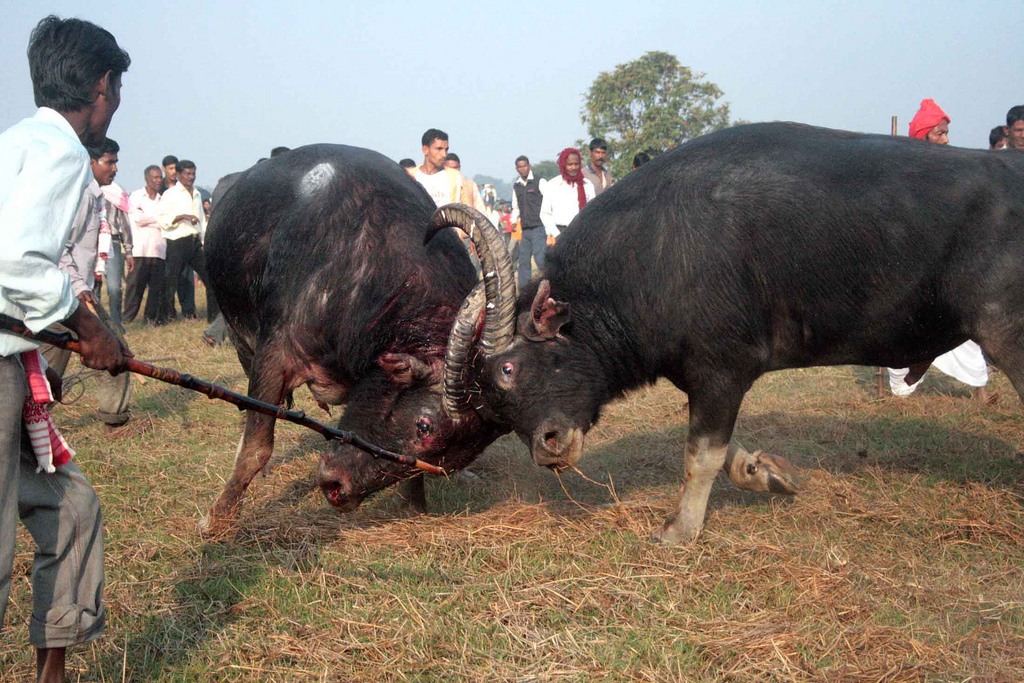
Magh Bihu🇮🇳 India
Seasonal
14Jan
Magh Bihu🇮🇳 India
 Seasonal
1Feb
Imbolc (Saint Brigid's Day)🇮🇪 Ireland and 1 more country
Seasonal
1Feb
Imbolc (Saint Brigid's Day)🇮🇪 Ireland and 1 more country
 Seasonal
Febvaries
Losar🇧🇹 Bhutan and 4 more countries
Seasonal
Febvaries
Losar🇧🇹 Bhutan and 4 more countries