
Shemini Atzeret is a Jewish festival observed on the 22nd day of Tishrei, directly after the seven days of Sukkot. Celebrated mainly in Israel and by Jewish communities worldwide, it is a day for prayer, reflection, and, in many places, the joyful celebration of Simchat Torah.
- Falls on the 22nd day of Tishrei, after Sukkot
- Marked by the prayer for rain (Geshem)
- In Israel, Simchat Torah is celebrated on the same day
- Distinct from Sukkot: no Four Species or sukkah
- Observed by Jews and Samaritans
What it is
Shemini Atzeret, meaning the 'Eighth [day] of Assembly,' is a Jewish holiday that follows immediately after the festival of Sukkot. While it is closely linked to Sukkot, Shemini Atzeret is also recognized as a distinct festival in its own right, marking a spiritual pause and a time for the Jewish community to linger in celebration and prayer. The day is seen as a special opportunity to reflect on the spiritual journey of the preceding holidays and to pray for rain and blessing for the coming year. In Israel, this day is also marked by the celebration of Simchat Torah, making it a time of both solemnity and joy.
Where it comes from
Shemini Atzeret is rooted in the Hebrew Bible, where it is described as an 'assembly' day following Sukkot. The word 'atzeret' comes from a root meaning 'to hold back' or 'to pause,' suggesting a day to linger in the divine presence after the week-long festival of Sukkot. Rabbinic tradition interprets this as a moment when God asks the people to stay one more day, expressing the closeness of the relationship. Over time, the festival's customs evolved, with later rabbinic innovation introducing Simchat Torah celebrations, especially prominent in Israel and the Jewish diaspora.
How it is celebrated
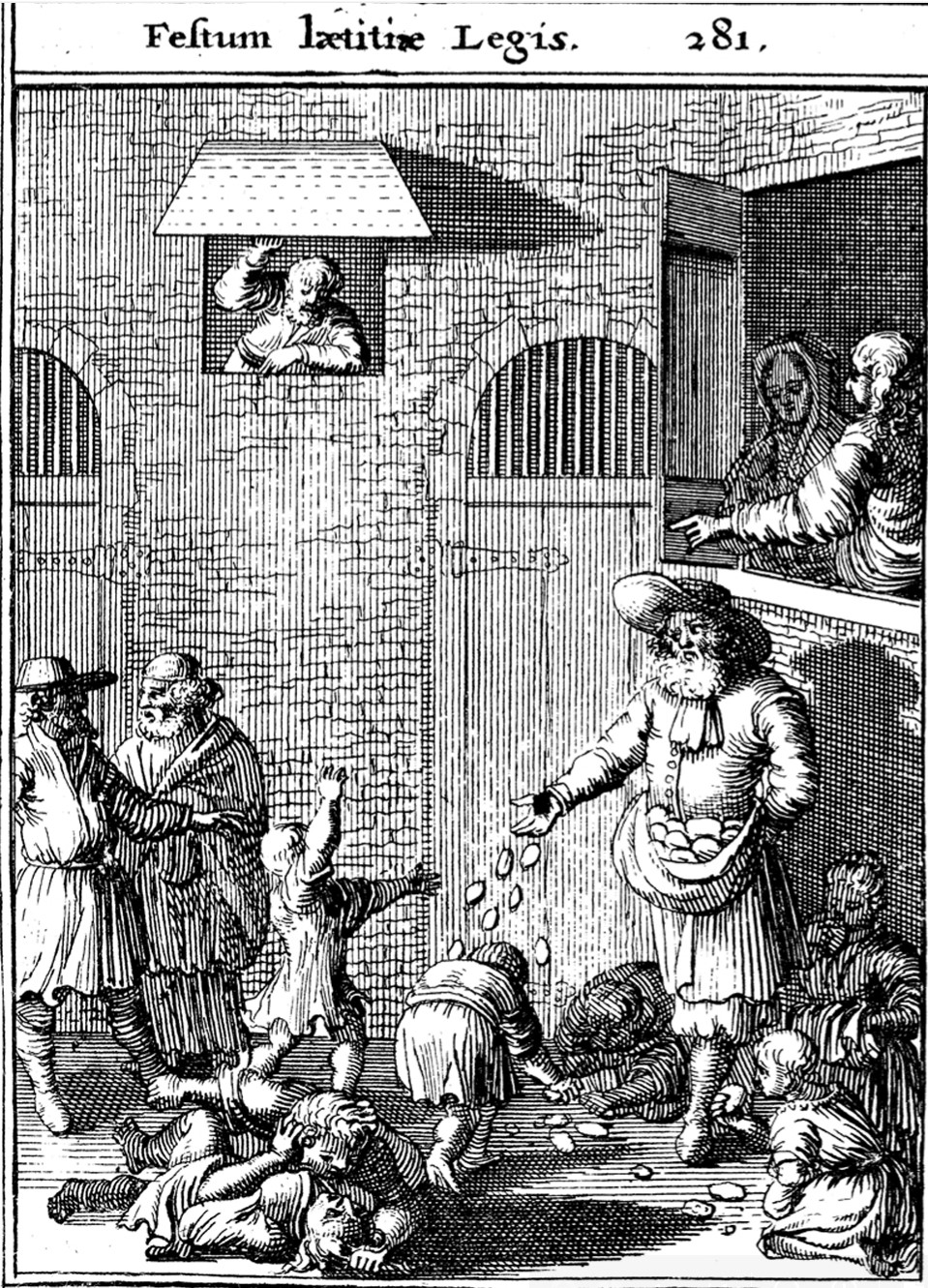
The main observances of Shemini Atzeret are spiritual in nature. Work is avoided, and special prayers are recited, including the Shehecheyanu blessing and the prayer for rain (Geshem), which marks the start of the rainy season in Israel. In the synagogue, the day is distinct from Sukkot: the Four Species and the sukkah are set aside, and the liturgy refers specifically to Shemini Atzeret. In Israel, Shemini Atzeret and Simchat Torah are celebrated together, with lively dancing, singing, and processions (hakafot) with Torah scrolls. Outside Israel, Simchat Torah is observed on the second day, with similar joyful customs. For Samaritans and Karaite Jews, the day is observed without the later rabbinic additions.


Joining in
If you visit Israel during Shemini Atzeret, expect to find synagogues filled with song and prayer, and, on the same day, the exuberant celebrations of Simchat Torah. In Jewish communities outside Israel, Shemini Atzeret is followed by a separate day for Simchat Torah, with processions, dancing, and communal meals. Visitors are often welcome to observe or join in the festivities, especially the joyful hakafot. The atmosphere is both reflective and festive, with a strong sense of community and tradition.
In the news
- Shemini Atzeret: A Festival About NothingMy Jewish Learning
- The Blogs: Shemini Atzeret: A Festival of OneThe Times of Israel
Sources and attribution
This page is Mela's own summary, written in new words. Its facts are drawn from the Wikipedia article Shemini Atzeret, whose text is available under the CC BY-SA 4.0 licence, and from its Wikidata record (CC0). Each photo is credited to its author beside it, and news headlines link to their publishers. For the full account, read the originals below.
Read more
This page was written with AI assistance from the sources listed above, and checked automatically before publishing. Spotted a mistake? Tell us. Last refreshed 2026-10-02.
 Spiritual
 Spiritual
 Spiritual
 Spiritual
 Spiritual
 Spiritual
 Spiritual
 Spiritual