
Swabian-Alemannic Carnival
A vibrant pre-Lenten carnival rooted in Alemannic tradition
The Swabian-Alemannic Carnival is a lively pre-Lenten festival celebrated in southern Germany, Switzerland, and western Austria. Beginning in early January and peaking in the days before Ash Wednesday, it features masked parades, jesters, and centuries-old customs unique to the Alemannic-speaking regions.
- Begins with jester gatherings on January 6th
- Peaks on the Thursday before Ash Wednesday
- Features elaborate wooden masks and costumes
- Noisy parades and satirical performances
- Celebrated in Baden-Württemberg, Switzerland, and Vorarlberg
What it is
The Swabian-Alemannic Carnival, also known as Fastnacht or Fasnacht, is a traditional pre-Lenten celebration in regions where Swabian and Alemannic dialects are spoken. It marks a time of festivity before the fasting period of Lent, with communities coming together for parades, music, and elaborate costumes. The festival is deeply rooted in local folklore and is distinguished by its unique rituals and the prominent role of jesters, who bring humor and satire to the celebrations. For many, it is a cherished time to connect with heritage, express creativity, and enjoy communal joy before the solemnity of Lent.
Where it comes from
The origins of the Swabian-Alemannic Carnival are closely tied to Christian traditions, specifically the period of fasting that follows. While older theories suggested pre-Christian or fertility rite roots, historians have shown that its name and many customs derive from the practice of fasting and the Christian calendar. Over time, the festival has absorbed influences from various eras, including medieval and early modern traditions, but it did not develop its distinct form until the early 20th century. The celebration remains a living link to the region’s history and identity.
How it is celebrated
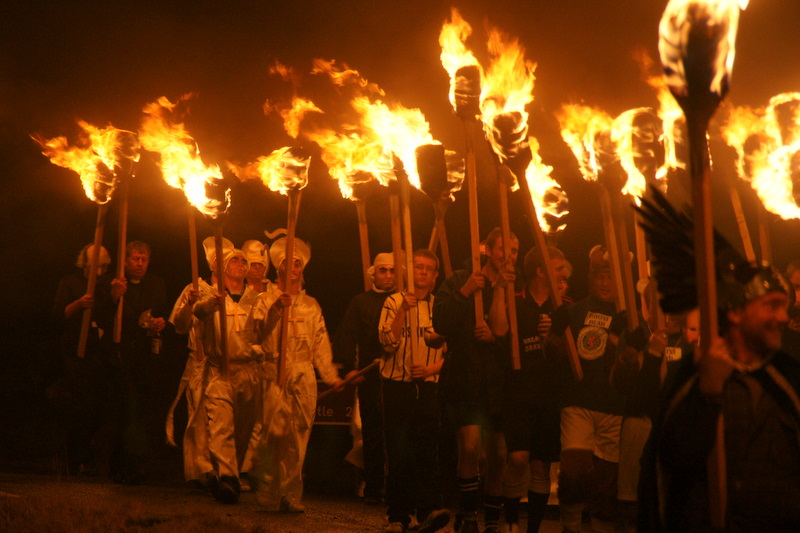
Celebrations begin as early as January 6th, with public meetings and gatherings of jesters, who don elaborate costumes and masks. Rituals include noisy processions, the cleaning and blessing of jester costumes, and playful ceremonies such as foot washing and mask incantations. As the festival approaches its peak, especially on the Thursday before Ash Wednesday (Schmotziger Donnerstag), communities indulge in rich foods, music, and parades. Traditional events feature jesters recounting local stories, singing, and performing satirical skits. The streets fill with masked figures, and local clubs organize dances and gatherings. The atmosphere is one of exuberance, creativity, and communal participation, with each town adding its own distinctive customs.


Joining in
Visitors can experience the Swabian-Alemannic Carnival in towns across Baden-Württemberg, German-speaking Switzerland, and Vorarlberg in Austria. Main celebrations often take place in historic town centers, where parades and jester meetings are held. Expect lively crowds, colorful costumes, and a warm welcome from locals eager to share their traditions. While some events are rooted in local clubs and pubs, many processions and performances are open to all, offering a unique glimpse into Alemannic culture.
Sources and attribution
This page is Mela's own summary, written in new words. Its facts are drawn from the Wikipedia article Swabian-Alemannic Fastnacht, whose text is available under the CC BY-SA 4.0 licence, and from its Wikidata record (CC0). Each photo is credited to its author beside it. For the full account, read the originals below.
Read more
- Swabian-Alemannic Fastnacht on WikipediaEncyclopedia
- Official websiteOfficial site
- More photos on Wikimedia CommonsPhotos
- Wikidata recordOpen data
This page was written with AI assistance from the sources listed above, and checked automatically before publishing. Spotted a mistake? Tell us. Last refreshed 2026-10-02.
 Cultural
 Sports
 Spiritual
 Music
Music Cultural
 Cultural
 Cultural
 Cultural