
Tusu Festival
A river-centered harvest festival honouring Goddess Tusmani in eastern India
Tusu Festival, or Tusu parab, is a folk celebration held during Makar Sankranti by tribal communities in eastern India. Centered around rivers and the harvest, it unites agrarian societies in West Bengal, Jharkhand, Odisha, and Assam in worship and thanksgiving.
- Celebrated during Makar Sankranti in eastern India
- Centred on the worship of Goddess Tusmani
- Rituals and gatherings take place by rivers
- Marks the harvest season for agrarian communities
- Observed by Adivasi and tribal groups
What it is
Tusu Festival is a vibrant folk celebration observed by tribal communities in eastern India, especially in regions like southwest West Bengal, southeast Jharkhand, northeastern Odisha, and Assam. The festival centers on the worship of Goddess Tusmani and marks the joy of harvesting crops. It is deeply connected to river life and brings together agrarian societies to express gratitude for the season's bounty. Tusu parab is not only a religious observance but also a social gathering that strengthens community bonds and preserves traditional beliefs.
Where it comes from
The origins of Tusu Festival are rooted in the agrarian traditions of eastern India's tribal societies. Its timing during Makar Sankranti links it to the solar calendar and the annual harvest cycle. The festival is dedicated to Goddess Tusmani, whose stories and significance have evolved through oral traditions and local folklore. Over time, Tusu has become a symbol of unity and shared faith among the rural communities, reflecting their close relationship with the land and rivers.
How it is celebrated
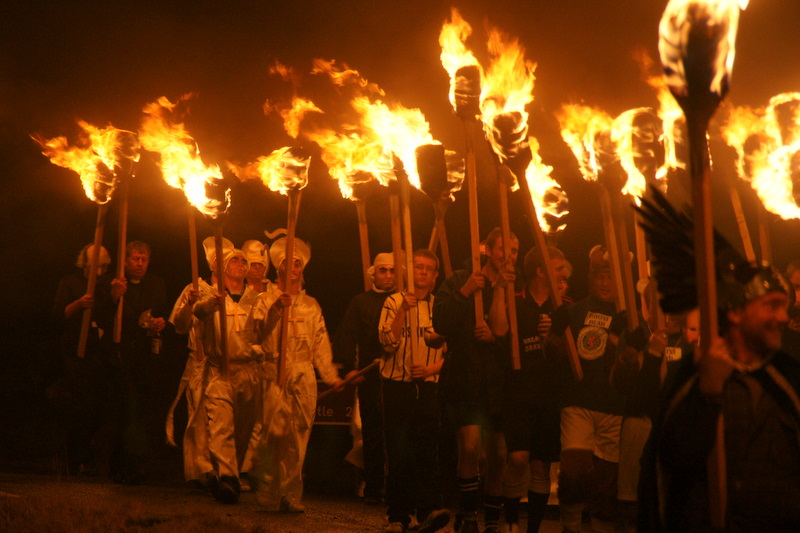
Celebrations of Tusu Festival revolve around the harvest and the worship of Goddess Tusmani. Communities gather near rivers, which play a central role in the rituals. Offerings from the newly harvested crops are made as a gesture of thanks. Songs, dances, and folk performances are common, with participants often dressed in traditional attire. The festival fosters a sense of collective joy and gratitude, as people share food, participate in processions, and engage in rituals that honor both the goddess and the agricultural cycle. The atmosphere is lively, with music and communal gatherings reinforcing the festival's importance to the region's identity.


Joining in
Visitors to the Tusu Festival can expect to find the main celebrations in rural areas along rivers in southwest West Bengal, southeast Jharkhand, northeastern Odisha, and Assam. As a newcomer, you may witness rituals by the water, folk music, and communal feasting. The festival offers a chance to experience the warmth of agrarian communities and their deep-rooted traditions, especially during the harvest season.
Sources and attribution
This page is Mela's own summary, written in new words. Its facts are drawn from the Wikipedia article Tusu Festival, whose text is available under the CC BY-SA 4.0 licence, and from its Wikidata record (CC0). Each photo is credited to its author beside it. For the full account, read the originals below.
Read more
- Tusu Festival on WikipediaEncyclopedia
- More photos on Wikimedia CommonsPhotos
- Wikidata recordOpen data
This page was written with AI assistance from the sources listed above, and checked automatically before publishing. Spotted a mistake? Tell us. Last refreshed 2026-10-02.
 Sports
 Spiritual
 Spiritual
 National days
 Cultural
 Cultural
 Cultural
 Cultural