
La Vijanera is a traditional masquerade festival held each first Sunday of January in Silió, Cantabria, Spain. Known as the first carnival of the year in Europe, it features dozens of characters in elaborate costumes and rituals to drive away evil spirits and welcome the new year.
- Held only in Silió, Cantabria, Spain
- Features around 60 costumed characters
- Zarramacos drive out evil spirits with bells
- Ends with the symbolic death of the Bear
- First carnival of the year in Europe
What it is
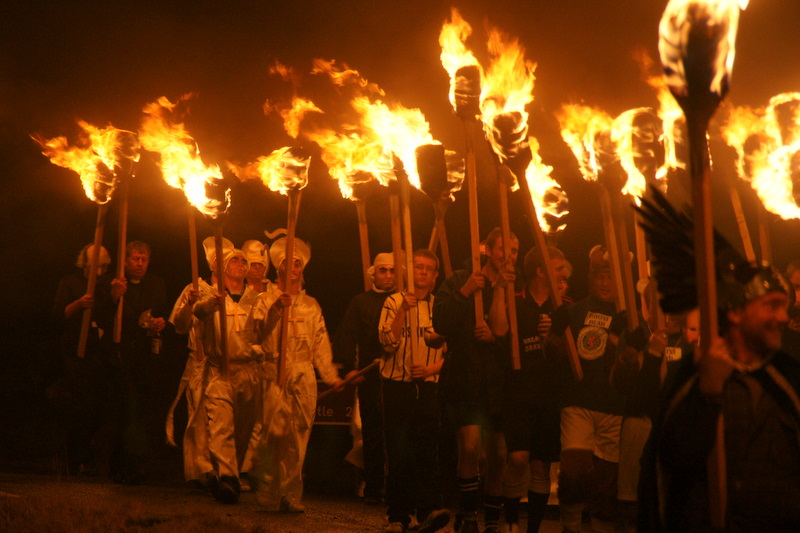
La Vijanera is a unique and lively masquerade celebrated in Silió, a small town in Cantabria, Spain. Each year, around sixty characters—each with their own symbolism—parade through the streets in vibrant costumes. The festival is rooted in the desire to banish the misfortunes of the past year and usher in good fortune for the new one. Central to the event are the zarramacos, who don sheepskins, blackened faces, and jingling bells to symbolically drive out evil spirits from the town. The celebration is both a community ritual and a colorful spectacle, deeply cherished by locals.
Where it comes from
La Vijanera was once celebrated across several valleys in Cantabria but now survives only in Silió. Its origins are believed to be ancient, possibly dating back to Roman times, as suggested by the presence of the Roman god Janus, who symbolizes transitions and new beginnings. The festival's rituals—expelling evil spirits and marking the passage from one year to the next—reflect pre-Christian traditions. After disappearing during Francoist Spain, La Vijanera was revived over 25 years ago by local enthusiasts, ensuring its continuity as a cherished cultural event.
How it is celebrated
Celebrations begin with a parade of about sixty masked characters, each with distinct costumes and roles, such as la madama, el oso (the bear), and the zarramacos. The zarramacos, dressed in sheepskins and tall hats, with faces painted black and bells strapped to their bodies, lead the effort to drive out evil spirits by making noise and moving to the town's boundaries. Later, townspeople gather in the square to hear verses recited that humorously and sharply review the past year's events. The festival concludes with two symbolic acts: 'la Preñá,' representing the birth of the new year, and the dramatic 'death of the Bear,' which signifies the triumph of good over evil and hopes for a positive year ahead.


Joining in
Visitors to Silió on the first Sunday of January can witness La Vijanera in its full vibrancy. The entire town becomes a stage for the masquerade, with costumed characters moving through the streets and the main square hosting key rituals. Expect lively crowds, the sound of bells, and a mix of humor and tradition. While the festival is deeply local, newcomers are welcomed to observe, photograph, and immerse themselves in the unique atmosphere of this Cantabrian celebration.
Sources and attribution
This page is Mela's own summary, written in new words. Its facts are drawn from the Wikipedia article La Vijanera, whose text is available under the CC BY-SA 4.0 licence, and from its Wikidata record (CC0). Each photo is credited to its author beside it. For the full account, read the originals below.
Read more
This page was written with AI assistance from the sources listed above, and checked automatically before publishing. Spotted a mistake? Tell us. Last refreshed 2026-10-02.
 Spiritual
 Sports
 Cultural
 Spiritual
 Cultural
 Cultural
 Cultural
 Cultural